Pogonogenys
Munroe, 1961
Species Guides
1Pogonogenys is a of in the Crambidae, established by Munroe in 1961. The genus contains three described : P. frechini, P. masoni, and P. proximalis. It belongs to the Odontiinae, a group of small to medium-sized moths often associated with grassland and open . The genus is poorly known, with minimal published information on its and .
Pronunciation
How to pronounce Pogonogenys: /ˌpɔɡoʊˈdʒɛnɪs/
These audio files are automatically generated. While they are not always 100% accurate, they are a good starting point.
Identification
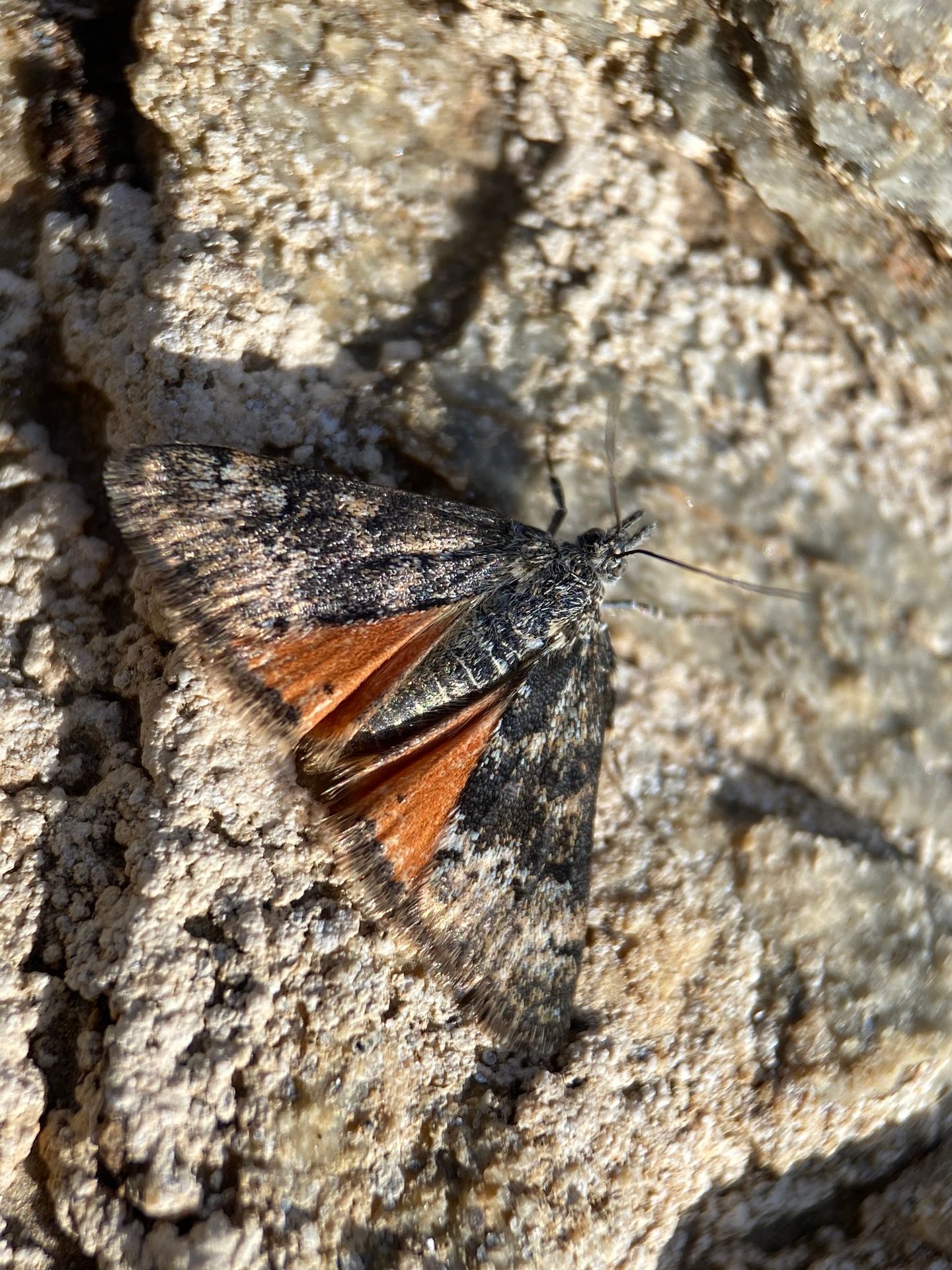
Pogonogenys can be distinguished from related Odontiinae by genitalia characteristics, particularly the male valvae and female signum structures. The genus name refers to the presence of a beard-like structure (from Greek 'pogon' = beard, 'genys' = jaw/chin), likely describing a facial feature on the . Specific external morphological traits distinguishing Pogonogenys from similar genera such as Heliothela or Neohelvibotys are not well documented in accessible literature.
Images
Distribution
The occurs in North America. Pogonogenys proximalis has been recorded from the northeastern United States and adjacent Canada. The other two , P. frechini and P. masoni, have more restricted distributions in western North America, with P. masoni known from California and P. frechini from the Pacific Northwest.
Similar Taxa
- HeliothelaBoth belong to Odontiinae and share similar forewing patterns with pale ground color and darker markings; Heliothela is more widespread and better known, requiring genital dissection for reliable separation.
- NeohelvibotysAnother Odontiinae with superficially similar wing pattern and size; distinguished by structural differences in the male genitalia and female corpus bursae.
More Details
Taxonomic history
The was erected by Munroe in 1961 to accommodate previously placed in other genera, particularly P. proximalis which was originally described as Crambus proximalis by Fernald in 1894. The two additional species were described simultaneously in the same paper, suggesting Munroe recognized distinct morphological units within this North American group.
Research limitations
With only four observations in iNaturalist and minimal recent taxonomic treatment, Pogonogenys represents a data-deficient . No molecular phylogenetic studies have included this genus, and its relationship to other Odontiinae remains based solely on morphological hypotheses from the 1960s.