
Noctueliopsis
Munroe, 1961
Species Guides
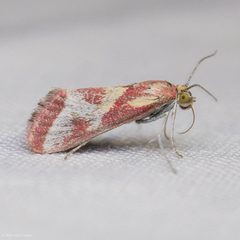
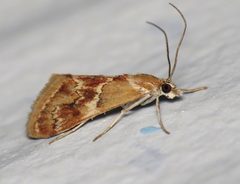
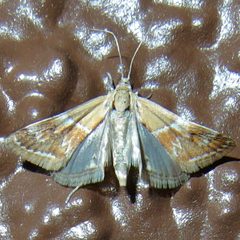
9Noctueliopsis is a of crambid established by Munroe in 1961. The genus contains approximately twelve described , primarily distributed in western North America from the southwestern United States through Mexico. Species within this genus were previously classified under other genera such as Loxostege and Phlyctaenia before being reassigned based on genitalic . The genus is characterized by distinctive wing patterns and male genitalia features that separate it from related crambine genera.
Pronunciation
How to pronounce Noctueliopsis: /nɒkˌtjuːɛliˈɒpsɪs/
These audio files are automatically generated. While they are not always 100% accurate, they are a good starting point.
Identification
Diagnostic features include: male genitalia with asymmetrical valvae and distinctive cornutus structure on the ; forewings typically with contrasting dark and light pattern elements including a distinct discal spot and transverse lines; hindwings generally paler than forewings with reduced patterning. Distinguished from the similar Loxostege by the asymmetrical male genitalia and specific wing venation characters. -level identification requires examination of genitalia and often relies on geographic distribution.
Images
Habitat
occur in arid and semi-arid environments including desert scrub, chaparral, and dry grasslands. Many species show association with specific plant in western North American drylands.
Distribution
Western North America, ranging from the southwestern United States (California, Arizona, New Mexico, Texas) through Mexico. Several are to restricted regions within this range, such as N. atascaderalis in coastal California and N. australis in southern Mexico.
Seasonality
activity varies by and latitude; most records indicate spring through fall activity with peak typically in late spring and summer months. Specific periods correspond to regional precipitation patterns and plant .
Host Associations
- Chenopodiaceae - suspected larval inferred from related ; direct records lacking
- Amaranthaceae - suspected larval inferred from related ; direct records lacking
Behavior
are and attracted to light. Larval undocumented for most ; presumed to feed on herbaceous vegetation based on related .
Similar Taxa
More Details
Taxonomic history
The was erected by Munroe in 1961 to accommodate previously misplaced in Loxostege and Phlyctaenia, based primarily on distinctive male genitalic asymmetry. Subsequent revisions by Munroe (1972, 1974) expanded the genus and clarified species boundaries.
Species diversity
Twelve are currently recognized, with the majority described or transferred by Munroe between 1951 and 1974. Several species have restricted distributions and may warrant conservation attention due to specificity in threatened aridland .