
Nephrogramma
Munroe, 1964
Species Guides
2- Nephrogramma reniculalis(White-spotted Nephrogramma)
- Nephrogramma separata(Three-spotted Kidney Moth)
Nephrogramma is a of small in the Crambidae, Glaphyriinae. The genus was established by Munroe in 1964 and currently contains two described : N. reniculalis and N. separata. These moths are part of the diverse pyraloid fauna, with documented observations primarily from North America.
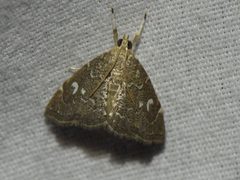
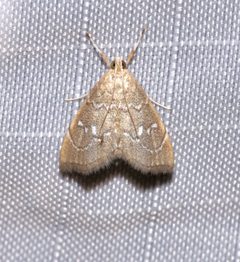
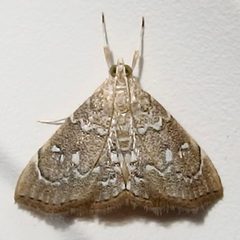
Pronunciation
How to pronounce Nephrogramma: /nɛfoʊˈɡræmə/
These audio files are automatically generated. While they are not always 100% accurate, they are a good starting point.
Identification
Nephrogramma can be distinguished from related crambid by genitalic characters and wing pattern details, though specific diagnostic features require examination. The genus name references kidney-shaped () markings, suggesting this pattern element may be notable in species identification. Separation from similar Glaphyriinae genera relies on male genitalia structure and forewing venation.
Images
Distribution
Documented from North America; N. reniculalis occurs in the United States and Canada, while N. separata has been recorded from the southwestern United States and Mexico.
Similar Taxa
- GlaphyriaBoth belong to Glaphyriinae and share general crambid ; distinguished by genitalic and wing pattern differences
- HellulaAnother Glaphyriinae with superficially similar small size and wing shape; separated by distinct genitalic structures and larval associations
More Details
Etymology
The name combines Greek 'nephros' (kidney) with 'gramma' (mark/line), likely referring to the (kidney-shaped) spot on the forewing of the type N. reniculalis.
Taxonomic history
Originally described by Munroe in 1964 based on distinctive genitalic that separated these from previously assigned .