
Platytes
Guenée, 1845
Species Guides
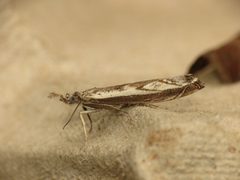
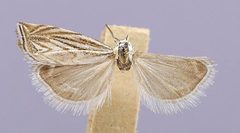
1- Platytes vobisne(Platytes Moth)
Platytes is a of small in the Crambidae, established by Guenée in 1845. The genus contains approximately 12 described distributed across the Palearctic region, with some species extending into adjacent areas. These moths are generally associated with grassland and meadow . The genus is characterized by relatively broad wings and specific genitalia structures used for species identification.
Pronunciation
How to pronounce Platytes: /ˈplætɪtiːz/
These audio files are automatically generated. While they are not always 100% accurate, they are a good starting point.
Identification
within Platytes are distinguished primarily by genitalia , particularly the structure of the male and female ostium. External characters include forewing pattern elements such as the arrangement and intensity of dark longitudinal , the presence or absence of distinct discal spots, and the degree of contrast between ground color and markings. Wing shape is relatively broad compared to some related crambid . Dissection is typically required for reliable species-level identification.
Images
Habitat
in this are predominantly found in grass-dominated including meadows, pastures, steppe, and alpine grasslands. Some species occupy coastal dunes and salt marshes. Elevation range varies by species, with some restricted to lowland areas and others occurring in montane zones up to 2,500 meters.
Distribution
Palearctic distribution, primarily Europe and Asia. Individual show varying ranges: Platytes alpinella is widespread across Europe and northern Asia; Platytes cerussella occurs across central and southern Europe extending eastward; Platytes albipennella and Platytes argyrotricha have more restricted ranges in southern Europe and Asia Minor.
Seasonality
periods vary by and latitude. Most species fly during the summer months, typically June to August in temperate regions. Some southern may have extended flight periods or partial second in favorable years.
Life Cycle
Larvae of known feed internally within grass stems (Poaceae), acting as stem borers. Development includes , larval, pupal, and stages. Larval feeding occurs primarily in the basal portions of grass culms. occurs within the larval tunnel or in soil debris near the plant. Specific host grass are documented for some species but remain unknown for others.
Behavior
are generally and attracted to light. They are not known to feed as adults. Larvae are concealed feeders within grass stems, showing limited external movement. Adults of some have been observed visiting flowers for nectar, though this is not well documented across the .
Ecological Role
As grass stem borers, larvae contribute to nutrient cycling in grassland and may influence grass tiller survival and productivity. They serve as prey for including birds and . impacts on grasses are generally minor and not considered economically significant.
Human Relevance
No significant economic importance. Not known as agricultural pests despite larval feeding on grasses. Occasionally encountered by lepidopterists and ecological surveyors in grassland . Some of conservation interest in regions where semi-natural grasslands have declined.
Similar Taxa
- CrambusSimilar grassland and general appearance, but Crambus typically have more elongate forewings with distinct longitudinal stripes and different genitalia structure; Crambus larvae often feed in silken tubes at the soil surface rather than as internal stem borers.
- AgriphilaOverlaps in and size, but Agriphila generally have more pointed forewing apices and different wing pattern organization; genitalia readily separates the .
- ChrysoteuchiaShares grassland associations and Crambidae placement, but Chrysoteuchia typically show more uniform forewing coloration with reduced pattern elements and different male genitalia valva structure.
More Details
Taxonomic history
The has undergone revision with some transferred to or from related genera based on genitalia studies. The authorship is correctly attributed to Guenée, 1845, though some older literature may cite different dates.
Research needs
Larval associations remain undocumented for several . details are sparse for non-European species. Molecular phylogenetic studies including Platytes are limited, and relationships to other Crambinae require clarification.