
Neodactria
Landry, 1995
Species Guides
5- Neodactria caliginosellus(Black Grass-veneer)
- Neodactria cochisensis
- Neodactria luteolellus(Mottled Grass-veneer)
- Neodactria murellus(prairie sedge moth)
- Neodactria zeellus
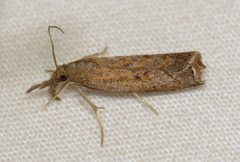
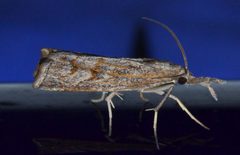
Neodactria is a of small in the Crambidae, established by Landry in 1995. The genus contains nine recognized distributed in North America. Species were previously classified under other genera before systematic revision. The genus is characterized by specific genitalic structures that distinguish it from related crambid moths.
Pronunciation
How to pronounce Neodactria: /niːoʊˈdæk.tri.ə/
These audio files are automatically generated. While they are not always 100% accurate, they are a good starting point.
Identification
Distinguished from related crambid by male genitalia features, particularly the structure of the gnathos and valvae. External alone is insufficient for reliable identification to genus level; dissection and examination of genitalic characters are required for definitive determination.
Images
Distribution
North America; recorded from the United States including Vermont and other regions.
Similar Taxa
- DactylostomiaSimilar external appearance; distinguished by genitalic and wing venation patterns.
- CrambusOverlapping size range and general habitus; separated by male genitalia structure and forewing pattern details.
More Details
Systematic history
now placed in Neodactria were formerly assigned to other , including Crambus and Dactylostomia. The genus was erected based on phylogenetic analysis of morphological characters, particularly male genitalia.
Species diversity
Nine are currently recognized: N. caliginosellus, N. cochisensis, N. daemonis, N. glenni, N. luteolellus, N. modestellus, N. murellus, N. oktibbeha, and N. zeellus. Several were described or transferred to the in the early 2000s.