Crambus girardellus
Clemens, 1860
Girard's grass-veneer, Girard's grass-veneer moth
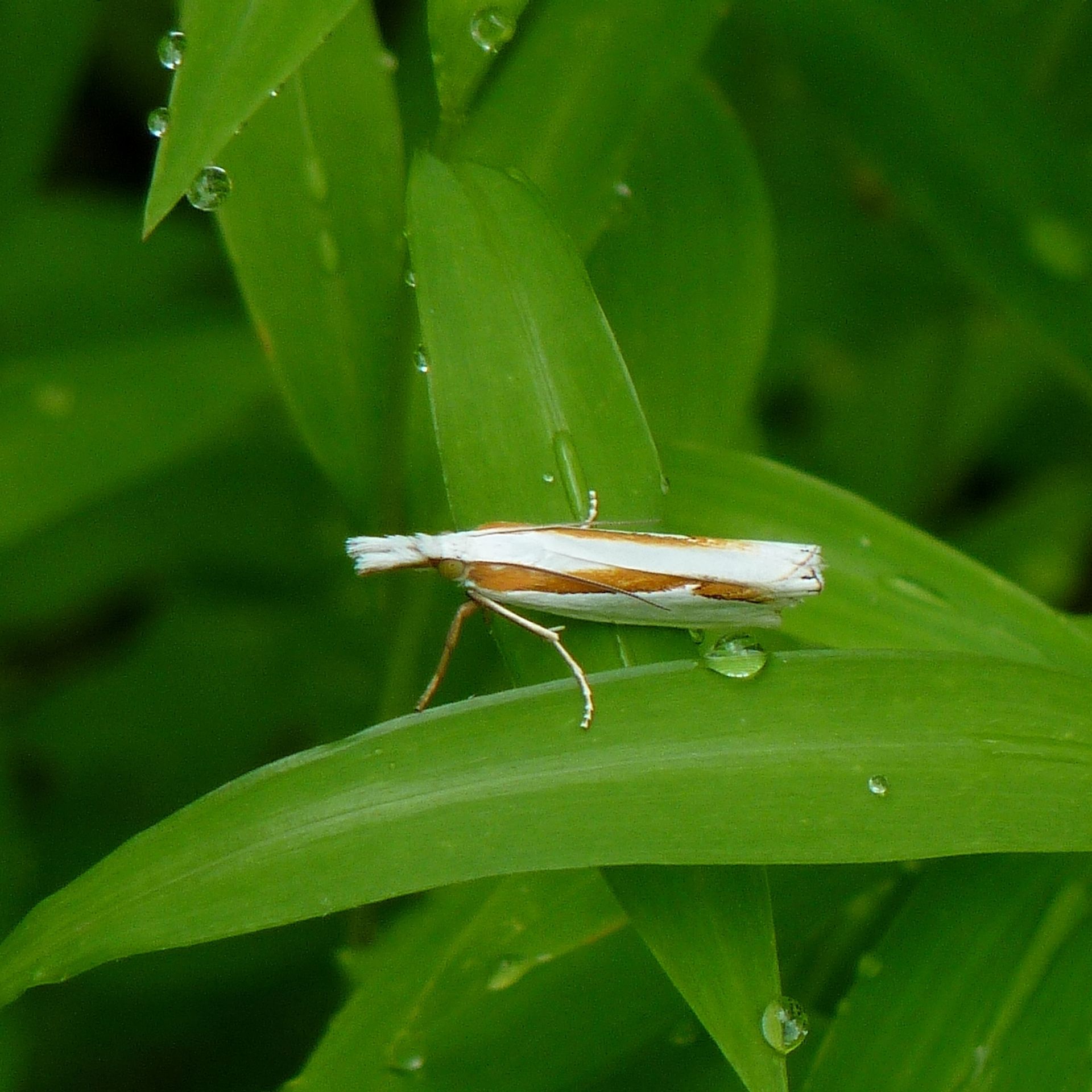
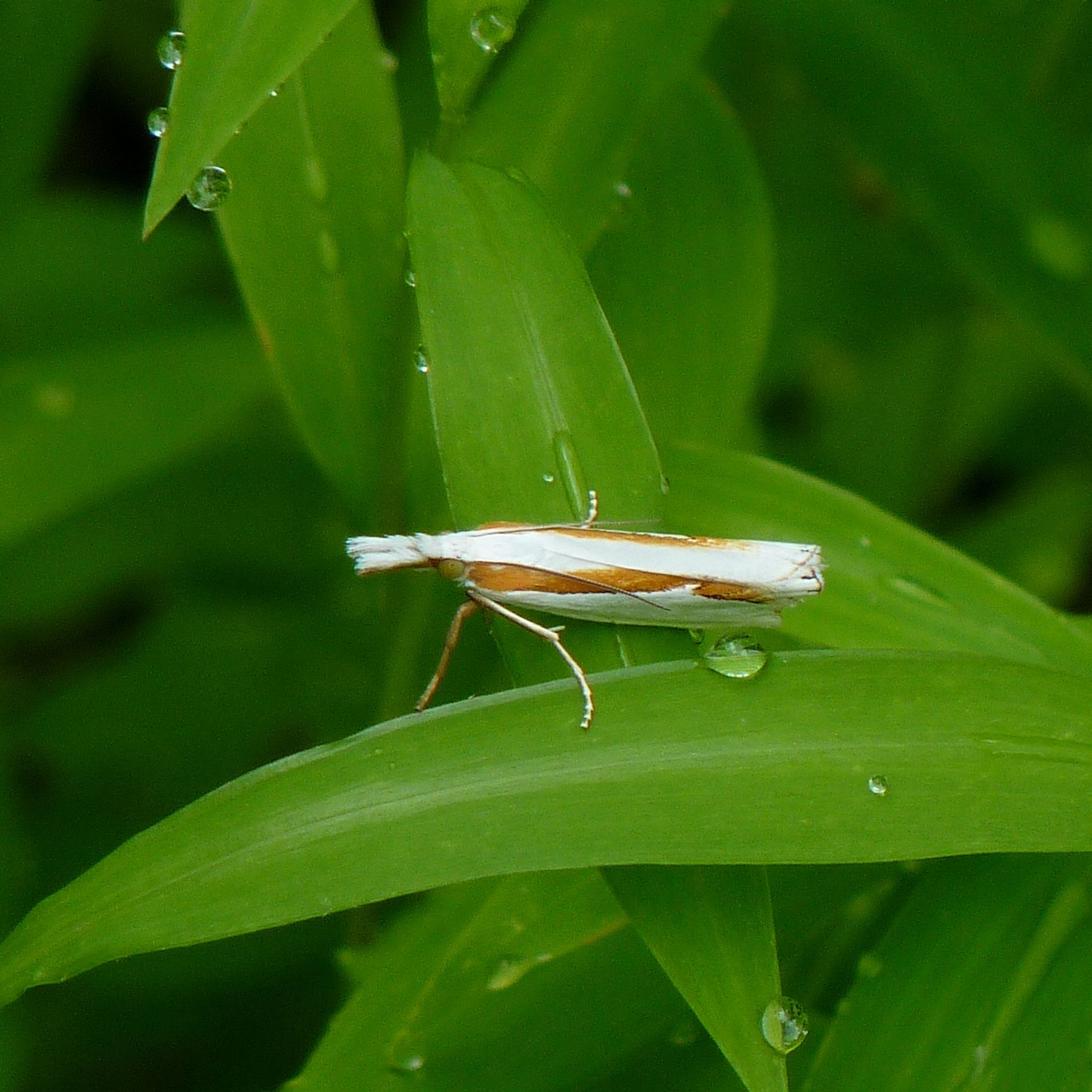
Crambus girardellus, commonly known as Girard's grass-veneer , is a small crambid moth described by James Brackenridge Clemens in 1860. It is found across northeastern and north-central North America, from the Canadian prairies through the Great Lakes region to the northeastern United States. The is associated with grassland , where its larvae develop as root-feeders.
Pronunciation
How to pronounce Crambus girardellus: //ˈkræmbəs dʒɪˌrɑrˈdɛləs//
These audio files are automatically generated. While they are not always 100% accurate, they are a good starting point.
Identification
The can be distinguished from other Crambus species by geographic range and timing, though precise diagnostic characters require examination of genitalia or detailed wing pattern analysis. The specific epithet honors Girard, though the exact identity of this individual is not documented in available sources.
Images
Appearance
Wingspan 25–28 mm. As a member of the Crambus, it possesses the characteristic elongated, narrow forewings typical of grass-veneer moths. Specific coloration and pattern details are not well documented in available sources.
Habitat
Grassland , including meadows, pastures, and open fields where larval grasses are present. Associated with temperate regions in northeastern and north-central North America.
Distribution
North America: Canada (Alberta, Saskatchewan, Manitoba, Ontario, Quebec, Labrador), United States (Maine, New Hampshire, Vermont, Massachusetts, New York, Pennsylvania, Maryland, Ohio, Michigan).
Seasonality
are active in June and July. Larval development occurs during other seasons, with likely in the larval or pupal stage.
Diet
Larvae feed on the roots of grass (Poaceae). feeding habits are not documented.
Host Associations
- grasses - larval foodroots of Poaceae
Life Cycle
Complete with , larval, pupal, and stages. Larvae are root-feeders. Specific details on egg-laying sites, location, and stage are not documented.
Ecological Role
As a root-feeding herbivore in larval stages, the contributes to nutrient cycling in grassland and serves as prey for various .
Human Relevance
No documented economic importance. Occasionally encountered by naturalists and enthusiasts. Not known to be a significant pest of turf or pasture grasses.
Similar Taxa
- Crambus spp.Other grass-veneer moths in the same share similar size, wing shape, and grassland associations. Precise identification requires detailed examination of morphological characters.
More Details
Etymology
The specific epithet 'girardellus' appears to honor an individual named Girard, though the exact identity and significance of this person has not been documented in available taxonomic literature.
Taxonomic history
Described by James Brackenridge Clemens in 1860, placing it among the earlier described North American Crambus .