
Parapoynx badiusalis
Walker, 1859
Chestnut-marked Pondweed Moth
Parapoynx badiusalis, the chestnut-marked pondweed , is a small crambid moth found in freshwater wetland across north-central and northeastern North America. The was described by Francis Walker in 1859. are active from late spring through early autumn. Larvae are aquatic and feed on pondweed species.
Pronunciation
How to pronounce Parapoynx badiusalis: /ˌpærəˈpɔɪnks ˌbeɪdiˈuːsɑːlɪs/
These audio files are automatically generated. While they are not always 100% accurate, they are a good starting point.
Identification
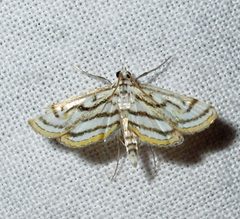
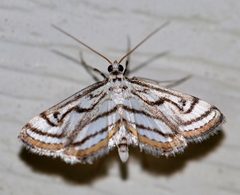
Distinguished from other Parapoynx by chestnut-brown forewing coloration with distinct pale markings. The specific epithet 'badiusalis' refers to this chestnut (badius) coloration. Similar species in the may differ in wing pattern intensity and geographic range. Genitalia examination may be required for definitive identification of some specimens.
Images
Appearance
Small with wingspan approximately 20 mm. Forewings chestnut-brown with paler markings. Hindwings lighter, often pale grayish-brown.
Habitat
Vegetated ponds, marshes, and lakeshores. Associated with standing or slow-moving freshwater with abundant submerged aquatic vegetation.
Distribution
North America: recorded from Illinois, Indiana, Iowa, Maine, Manitoba, Maryland, Massachusetts, Michigan, Minnesota, Nebraska, New Hampshire, North Dakota, Ohio, Oklahoma, Ontario, Pennsylvania, Quebec, Saskatchewan, Vermont, and Wisconsin. Core range appears to be the Great Lakes region and adjacent areas.
Seasonality
active May through September. Larval stage presumably occurs during warmer months when plants are growing.
Diet
Larvae feed on Potamogeton (pondweeds). feeding habits not documented.
Host Associations
- Potamogeton - larval food plantSubmerged aquatic macrophytes; specific Potamogeton not identified in available sources
Life Cycle
Aquatic larvae feed on submerged pondweed vegetation. likely occurs in or near water, as typical for Acentropinae. emerge in spring and fly through summer.
Behavior
are and attracted to light. Larvae are aquatic, living among submerged vegetation.
Ecological Role
Larvae function as aquatic herbivores, consuming submerged pondweed vegetation. May serve as food source for aquatic including fish and aquatic .
Human Relevance
No significant economic or medical importance. Of interest to wetland ecologists and . Potential for healthy aquatic macrophyte .
Similar Taxa
- Other Parapoynx speciesCongeneric share aquatic larval habits and similar size; distinguished by wing pattern details and genitalia
- Other Acentropinae contains many small aquatic with similar ; wing patterns and associations differ
More Details
Taxonomic placement
Placed in Acentropinae (formerly Nymphulinae), a group of crambid with aquatic or semi-aquatic larvae. This subfamily is characterized by adaptations for underwater life including larvae that can respire dissolved oxygen.
Conservation status
Not formally assessed; appears widespread and common within its range based on iNaturalist observations (over 4,700 records). Wetland loss may impact local .