Paramacera
Butler, 1868
Pine-Satyrs
Species Guides
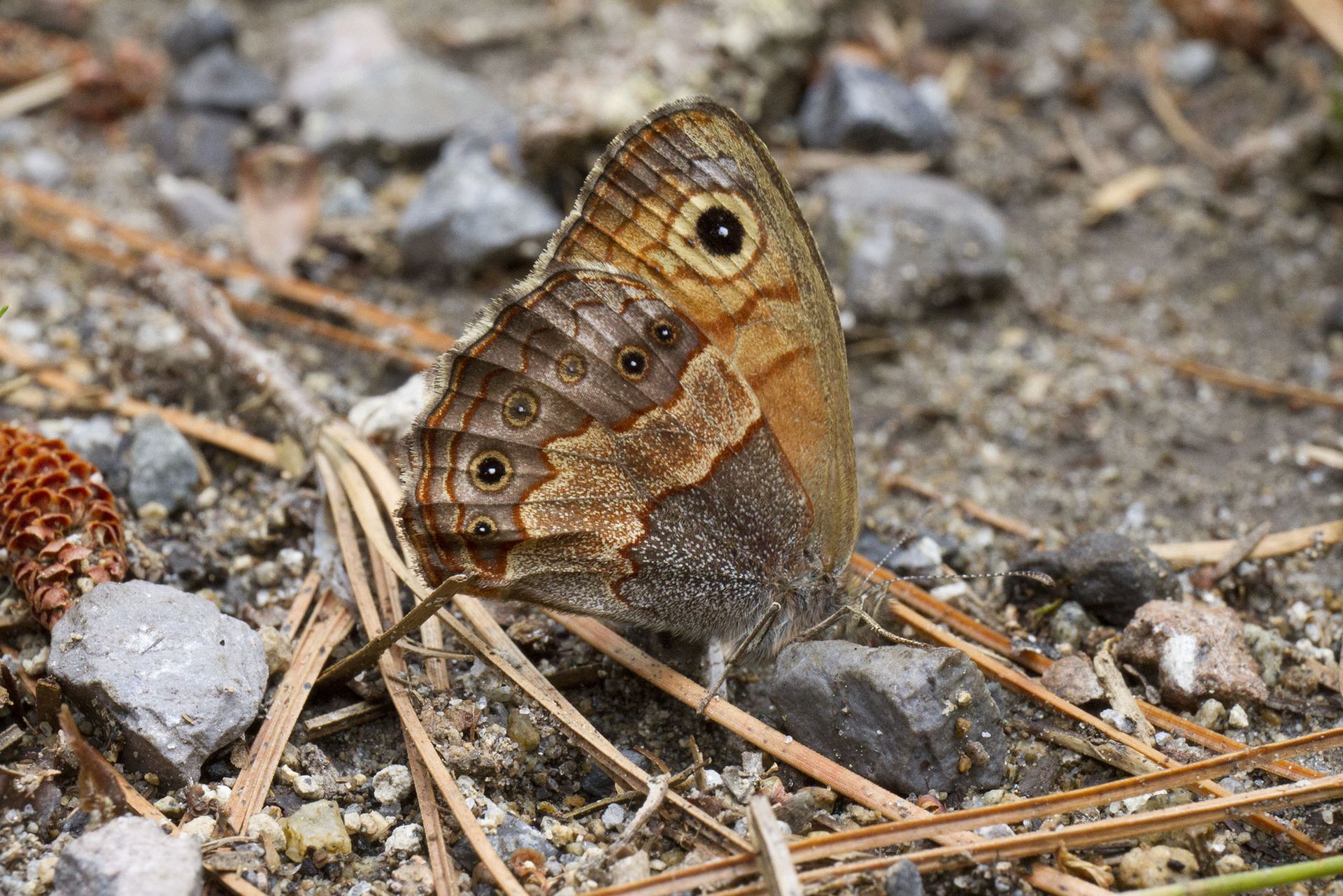
1- Paramacera xicaque(Pine Satyr)
Paramacera is a of satyrid butterflies comprising four described , distributed across the Nearctic and . The genus includes P. allyni, commonly known as the pine satyr, which has been observed in pine-oak forest . Members of this genus are part of the Nymphalidae, characterized by reduced forelegs. The genus was established by Butler in 1868.
Pronunciation
How to pronounce Paramacera: /ˌpærəˈmæsərə/
These audio files are automatically generated. While they are not always 100% accurate, they are a good starting point.
Identification
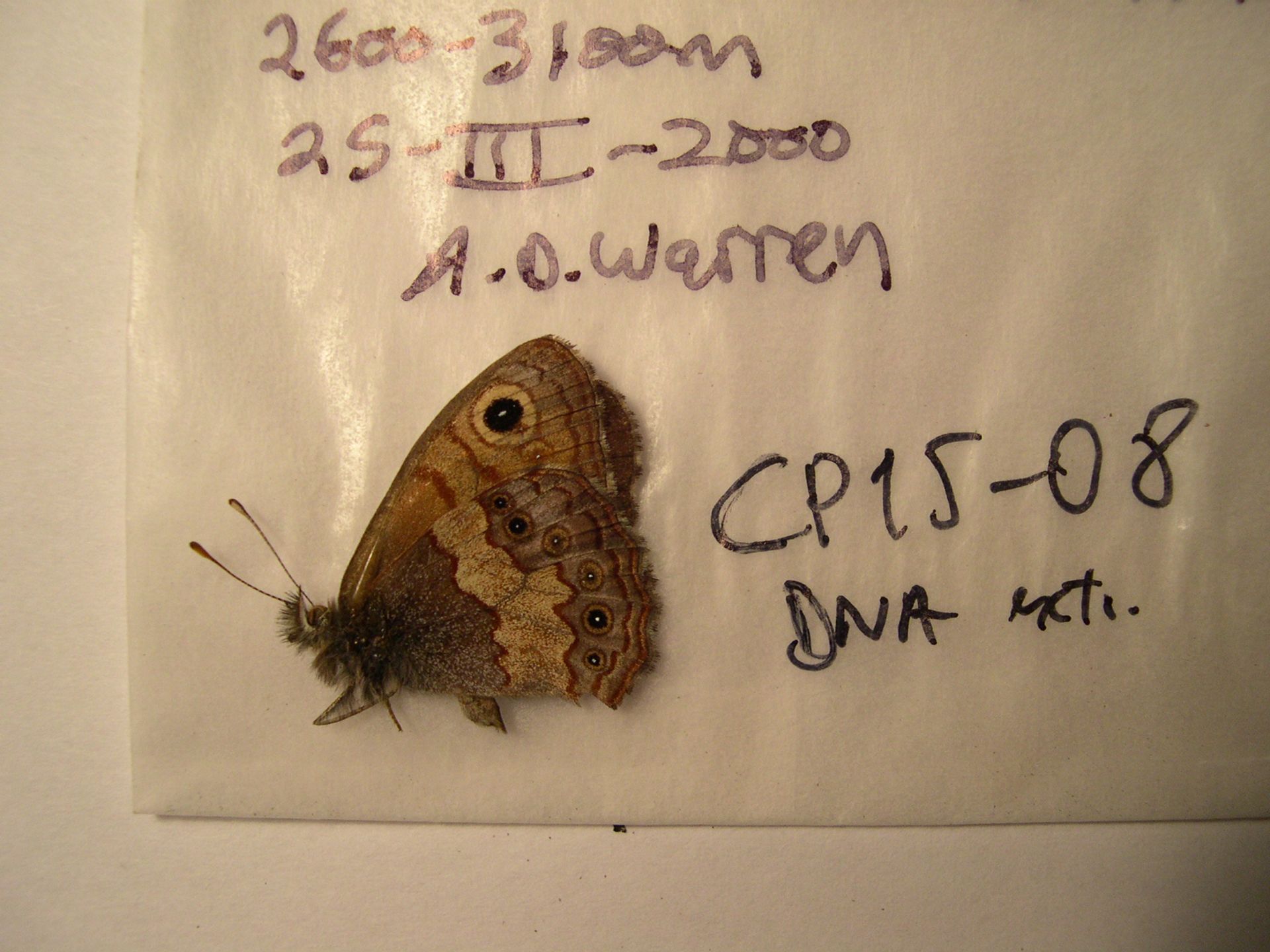
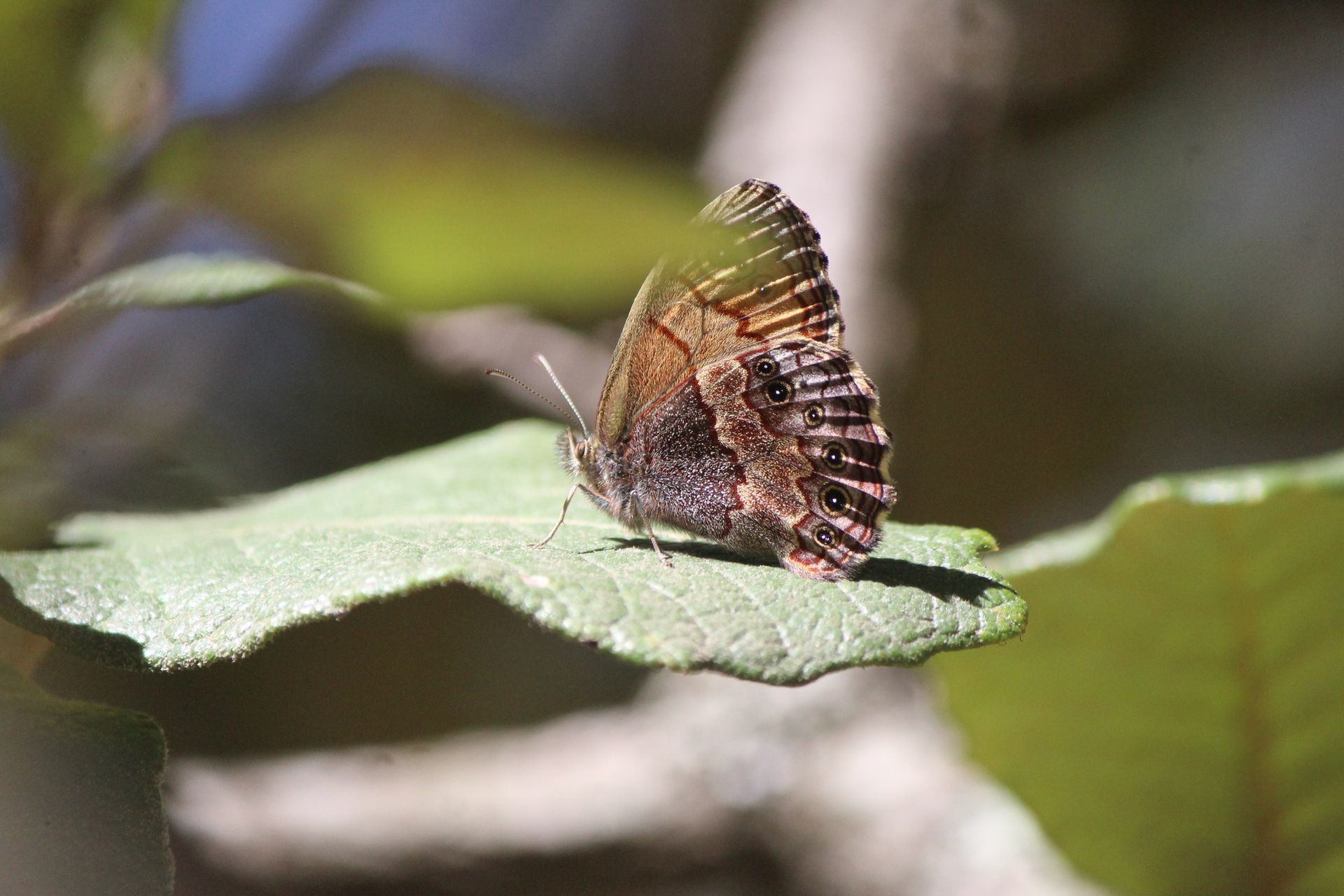
Paramacera can be distinguished from other satyrine by genitalic characters and wing pattern elements, though specific diagnostic features require detailed morphological examination. P. allyni is associated with pine , which may provide ecological separation from . The genus is characterized by the typical satyrine wing shape with rounded margins and eyespot patterns on the wing surfaces.
Images
Habitat
P. allyni has been documented in pine-oak forests, suggesting association with coniferous and mixed woodland . preferences for other in the remain insufficiently documented.
Distribution
The occurs in the Nearctic and , with distributed from Mexico through Central America. Specific range boundaries for individual species require further documentation.
Diet
Larval plants are unknown for Paramacera . likely feed on nectar, sap, or decaying organic matter as observed in other satyrine butterflies, though direct observations are lacking.
Life Cycle
Complete with , larva, pupa, and stages. Specific developmental details and larval are undocumented.
Similar Taxa
More Details
Species diversity
The contains four described : P. allyni, P. chinanteca, P. copiosa, and P. xicaque, all described or transferred by Miller in 1972 except P. xicaque, which was originally described by Reakirt in 1867