
Cyllopsis gemma
(Hübner, 1809)
gemmed satyr, Eastern Gemmed-Satyr
Cyllopsis gemma, commonly known as the gemmed satyr or Eastern Gemmed-Satyr, is a small in the Nymphalidae. It occurs in the southeastern United States and northeastern Mexico, where fly from spring through fall depending on latitude. The inhabits forested environments and is frequently observed flitting through shaded undergrowth.
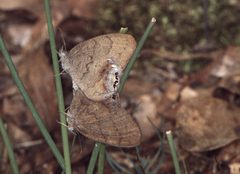
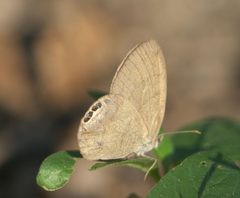
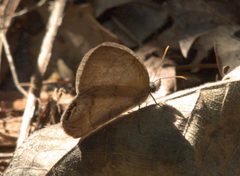
Pronunciation
How to pronounce Cyllopsis gemma: /sɪˈlɒpsɪs ˈɡɛmə/
These audio files are automatically generated. While they are not always 100% accurate, they are a good starting point.
Identification
Distinguished from other satyr butterflies by the combination of small size, forest preference, and presence of gem-like eyespots on the wings. The Eastern Gemmed-Satyr can be separated from related by its geographic range and specific wing pattern details, though precise identification may require examination of wing markings and habitat context.
Images
Appearance
Wingspan measures 35–43 mm. The refers to small, jewel-like eyespots (ocelli) on the wings. Upper wing surfaces are typically brown with subtle patterning. Undersides display more prominent eyespots and cryptic coloration that blends with leaf litter when the rests with wings closed.
Habitat
Mesic deciduous forest, dry-mesic woodland, and riparian forest corridors. Frequently associated with shaded forest understory and areas near forest floor leaf litter. Has been observed in both upland forest and riparian woodland settings.
Distribution
Southeastern United States and northeastern Mexico. Documented from states including Missouri, Illinois, and throughout the southeastern U.S. Extends south into northeastern Mexico.
Seasonality
active April through September in northern portions of the range; year-round in southern portions. Observations in Missouri and Illinois occur primarily during late summer and early fall (August–October).
Host Associations
- Cynodon dactylon - probable larval Larvae probably feed on this grass , though this association requires confirmation
Behavior
fly low and flit through forest undergrowth, frequently in deeply shaded conditions. Often observed resting on or near the forest floor with wings closed, displaying cryptic undersides. pattern is described as deft and maneuverable in cluttered understory vegetation.
Ecological Role
Human Relevance
Subject of interest for enthusiasts and naturalists; contributes to biodiversity documentation in forest . No significant economic or agricultural impacts are known.
Similar Taxa
- Other Cyllopsis speciesRelated satyr butterflies in the same share similar size, brown coloration, and eyespot patterns; precise identification requires attention to geographic range and subtle wing marking differences
- Other forest-dwelling satyrinesMany satyr butterflies occupy similar forest and share cryptic brown coloration; gemmed satyr distinguished by specific eyespot arrangement and size
More Details
Subspecies
Two are recognized: Cyllopsis gemma gemma and Cyllopsis gemma freemani