
Dynamine
Hübner, 1819
Species Guides
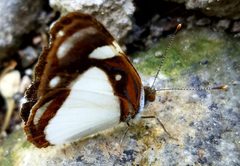
2- Dynamine dyonis(blue-eyed sailor)
- Dynamine postverta(Four-spotted Sailor)
Dynamine is a of nymphalid butterflies comprising approximately 38 described distributed across South America. The genus was established by Hübner in 1819 and is classified within the Biblidinae. Species within this genus exhibit considerable diversity in wing pattern and coloration.


Pronunciation
How to pronounce Dynamine: /ˈdɪnəˌmaɪn/
These audio files are automatically generated. While they are not always 100% accurate, they are a good starting point.
Identification
Dynamine are distinguished from other Biblidinae by characteristics of wing venation and pattern elements, though specific diagnostic features vary among species. Detailed morphological identification typically requires examination of wing patterns and genitalia.
Images
Distribution
South America. The occurs across the Neotropical region with documented from countries including Brazil, Peru, Colombia, Ecuador, and other South American nations.
Diet
of related nymphalid butterflies have been observed feeding on rotting fruit, tree sap, and other organic fluids. Larval plant associations for most Dynamine remain undocumented.
Similar Taxa
More Details
Species Diversity
The contains 38 described , with Dynamine athemon (Linnaeus, 1758) and Dynamine postverta (Cramer, [1780]) among the earliest described. Several species were described in the 21st century, including Dynamine davinae Brévignon, 2008.
Sources and further reading
- BugGuide
- Wikipedia
- GBIF taxonomy match
- iNaturalist taxon
- NCBI Taxonomy
- Catalogue of Life
- What a Wasp! | Bug Squad
- Portuguese Armadas, Shipwrecked Sailors & Rafts of Bubbles - Buglife Blog - Buglife
- Navy Entomologists: Protecting Sailors and Marines Around the World
- From Graduate Student to Naval Officer: Learning to Lead as Navy Entomologists
- Buzz on the High Seas: Navy Entomologists and the Unlikely Challenge of Honey Bee Swarms
- New Sand Fly Species and Potential Vector of Leishmaniasis Discovered by Navy Entomologists