
Burnsius
Grishin, 2019
New World Checkered-Skippers
Species Guides
4- Burnsius albescens
- Burnsius communis(common checkered-skipper)
- Burnsius oileus(Tropical Checkered-Skipper)
- Burnsius philetas(Desert Checkered-Skipper)
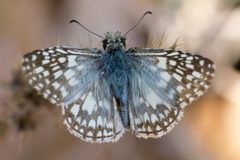
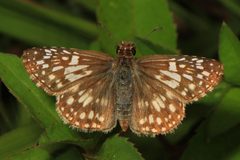
Burnsius is a of New World checkered-skippers in the Hesperiidae, erected by Nick V. Grishin in 2019 based on genomic analysis of 250 representative skipper . The genus was created to contain approximately 12 species formerly classified in Pyrgus, with the number of described species later expanding to 14. These butterflies are characterized by their distinctive checkered wing patterns and are found exclusively in the New World.

Pronunciation
How to pronounce Burnsius: /ˈbɜrn.si.əs/
These audio files are automatically generated. While they are not always 100% accurate, they are a good starting point.
Identification
Checkered-skippers in Burnsius can be distinguished from other Pyrginae by specific morphological and genetic characteristics that led to their reclassification from Pyrgus. The -level separation was established through 2019 genomic studies rather than superficial pattern differences alone. within Burnsius share the characteristic checkered wing pattern typical of the group but require detailed examination or genetic analysis for definitive identification to genus.
Images
Habitat
include shortgrass prairie, pinyon-juniper woodland, and open grassland areas. Observations indicate presence in flowering meadows and areas with abundant blooming herbaceous vegetation. One documented observation places Burnsius communis in shortgrass prairie on flowers of Senecio flaccidus (threadleaf ragwort).
Distribution
New World distribution including the United States (documented in Oklahoma, Colorado, Utah, Arizona, New Mexico) and potentially extending throughout the Americas where suitable grassland and open woodland occur. GBIF records indicate presence in Vermont and other US locations.
Seasonality
activity observed from late spring through summer, with specific records from June in Oklahoma and Colorado. Seasonal timing likely varies with latitude and elevation across the broad geographic range.
Diet
Larvae feed on various herbaceous plants; specific plant associations vary by . visit flowers for nectar, with documented observations on Senecio flaccidus and other blooming herbaceous plants.
Host Associations
- Senecio flaccidus - nectar sourcethreadleaf ragwort
- Engelmannia peristenia - nectar source
- Helianthus - nectar sourcesunflower
Life Cycle
Complete with , larva, pupa, and stages. Larval stages are herbivorous, feeding on plants. Detailed information for most remains poorly documented due to the recent taxonomic recognition of the .
Behavior
are and frequently observed visiting flowers for nectar. is rapid and characteristic of skippers, with quick, darting movements. Males may establish territories and perch on prominent vegetation awaiting females.
Ecological Role
function as while visiting flowers for nectar. Larvae serve as herbivores, converting plant to animal biomass and providing food for and . The contributes to biodiversity in grassland and open woodland .
Human Relevance
Of interest to enthusiasts and collectors. The 2019 taxonomic revision based on genomic data exemplifies modern systematic approaches in Lepidoptera classification. Some may serve as indicators of grassland health.
Similar Taxa
- PyrgusFormerly included now placed in Burnsius; distinguished by genomic and morphological differences established through 2019 phylogenetic study
- HesperiaSimilar skipper and preferences but belongs to different tribe (Hesperiini vs. Pyrginae) with different wing venation and genitalic characteristics
More Details
Taxonomic History
The was erected in 2019 by Nick V. Grishin following comprehensive genomic analysis of 250 representative skipper . This study revealed that species formerly placed in Pyrgus comprised multiple distinct lineages warranting generic separation. Burnsius represents one of these newly recognized genera, containing approximately 14 species as of 2022.
Etymology
The name honors lepidopterist John Burns, who contributed significantly to the study of Hesperiidae, particularly North American skippers.
Research Significance
The reclassification of Burnsius from Pyrgus demonstrates the impact of genomic data on , resolving relationships that morphological studies alone could not clarify. This revision affects approximately 12-14 and has implications for conservation assessments and biogeographic studies.