
Erynnis icelus
(Scudder & Burgess, 1870)
Dreamy Duskywing, Aspen Dusky Wing
Erynnis icelus is a small in the Hesperiidae, distributed across North America. have a wingspan of 29–38 mm and are active primarily from April to early July, with a single per year. The is associated with willow, poplar, and birch plants, and adults visit a diverse array of wildflowers for nectar.
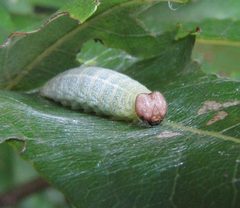
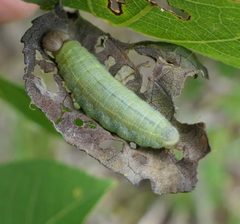
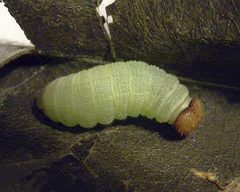
Pronunciation
How to pronounce Erynnis icelus: /ɛˈrɪnɪs ˈaɪsələs/
These audio files are automatically generated. While they are not always 100% accurate, they are a good starting point.
Identification
Small dark skipper with wingspan 29–38 mm. Distinguished from similar Erynnis by subtle wing pattern details; precise identification often requires examination of hindwing markings. The Erynnis is notoriously difficult to identify from views alone.
Images
Habitat
Associated with forest and woodland where plants (Salix, Populus, Betula) occur. Found in limestone/dolomite prairies, glades, and riparian woodlands.
Distribution
North America: from Northwest Territories east across southern Canada to Nova Scotia; south in western mountains to southern Arizona and southern New Mexico; south in east to Arkansas, north-eastern Alabama, and northern Georgia.
Seasonality
on wing April to early July; primarily one per year. Rare possible second generation in southern Appalachian Mountains.
Diet
Larvae feed on Salix (willow), Populus (poplar/aspen), and sometimes Betula (birch) . feed on nectar from flowers including blueberry, wild strawberry, blackberry, Labrador tea, dogbane, New Jersey tea, winter cress, purple vetch, and lupine.
Ecological Role
; larvae serve as herbivore in early successional and riparian .
Similar Taxa
- Erynnis horatiusSimilar appearance; E. horatius flies throughout summer while E. icelus is restricted to spring
- Erynnis juvenalisCannot be reliably separated from E. horatius by view; both differ from E. icelus in period and hindwing pattern
- Erynnis tagesEuropean with similar ; both are declining grassland used as biodiversity indicators