Erynnis baptisiae
(Forbes, 1936)
wild indigo duskywing
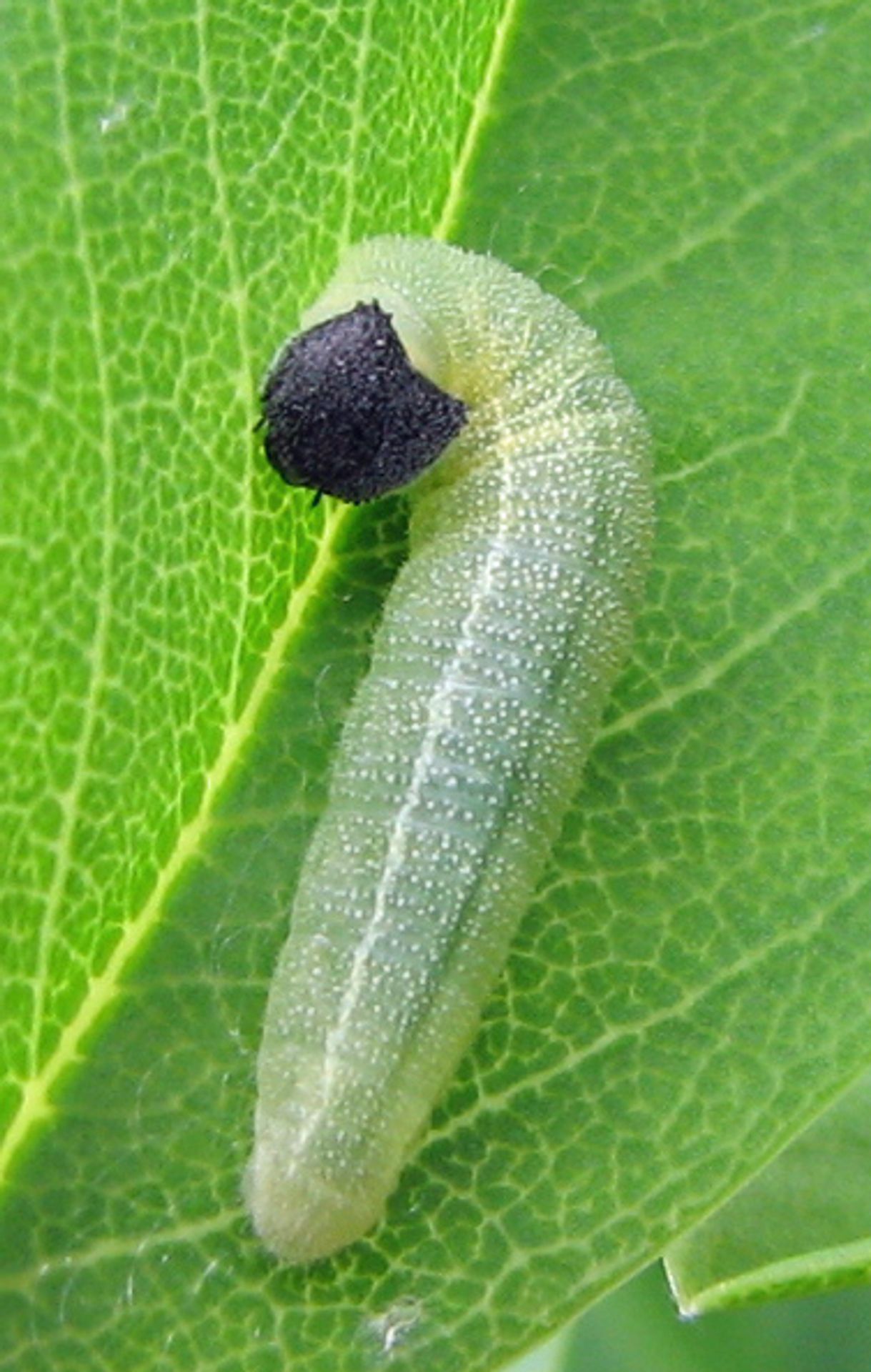
Erynnis baptisiae, commonly known as the wild indigo duskywing, is a in the Hesperiidae. It is native to eastern and central North America, ranging from southern Ontario and New England west to Nebraska and south to Texas and the Gulf Coast. The is strongly associated with leguminous plants, particularly wild indigo (Baptisia) species, from which it derives both its common and . It has been observed in prairie, open woodland, and grassland .
Pronunciation
How to pronounce Erynnis baptisiae: /ɛˈrɪnɪs bæpˈtɪsɪi/
These audio files are automatically generated. While they are not always 100% accurate, they are a good starting point.
Identification
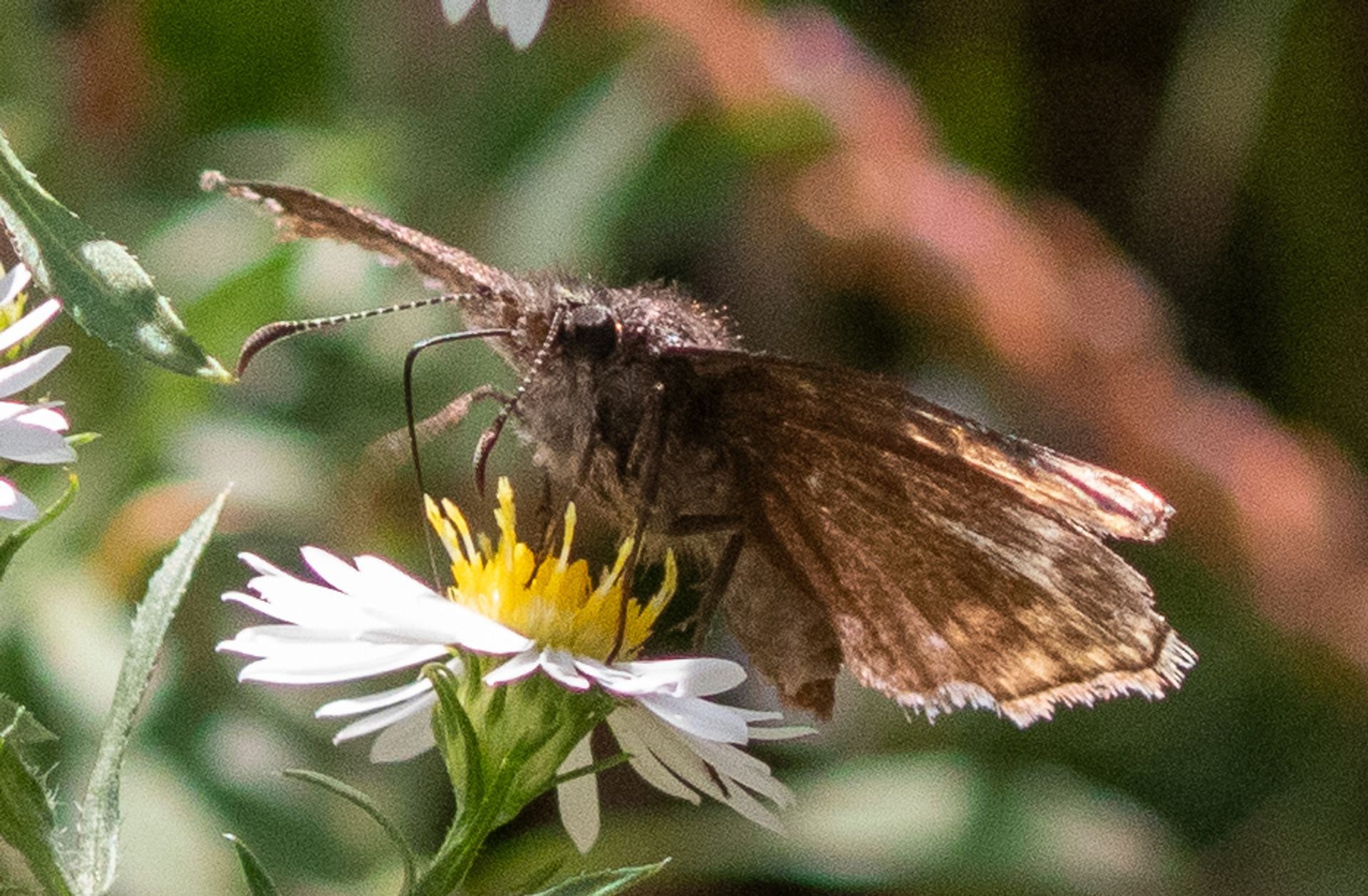
A medium-sized duskywing skipper with dark brown wings. Like other Erynnis , it lacks the white forewing spots characteristic of some related . Separation from similar spring-flying duskywings such as E. juvenalis (Juvenal's duskywing) and E. horatius (Horace's duskywing) requires examination of hindwing markings: E. baptisiae has been reported to show two small pale spots on the ventral hindwing, though field identification without capture can be challenging. The species is single-brooded in the northern part of its range.
Images
Habitat
Prairies, open woodlands, and grassland , particularly those supporting its leguminous plants. Associated with limestone and dolomite prairies in parts of its range.
Distribution
North America: southern Ontario and southern New England west to central Nebraska, south to Georgia, the Gulf Coast, and south-central Texas.
Seasonality
fly primarily in spring and early summer; single-brooded in northern portions of range, with period typically April through June depending on latitude.
Diet
Larvae feed on wild indigo (Baptisia tinctoria), wild blue indigo (Baptisia australis), lupine (Lupinus), false lupine (Thermopsis), and crown vetch (Securigera varia). feeding habits not documented in available sources.
Host Associations
- Baptisia tinctoria - larval wild indigo
- Baptisia australis - larval wild blue indigo
- Lupinus - larval lupine
- Thermopsis - larval false lupine
- Securigera varia - larval crown vetch
Life Cycle
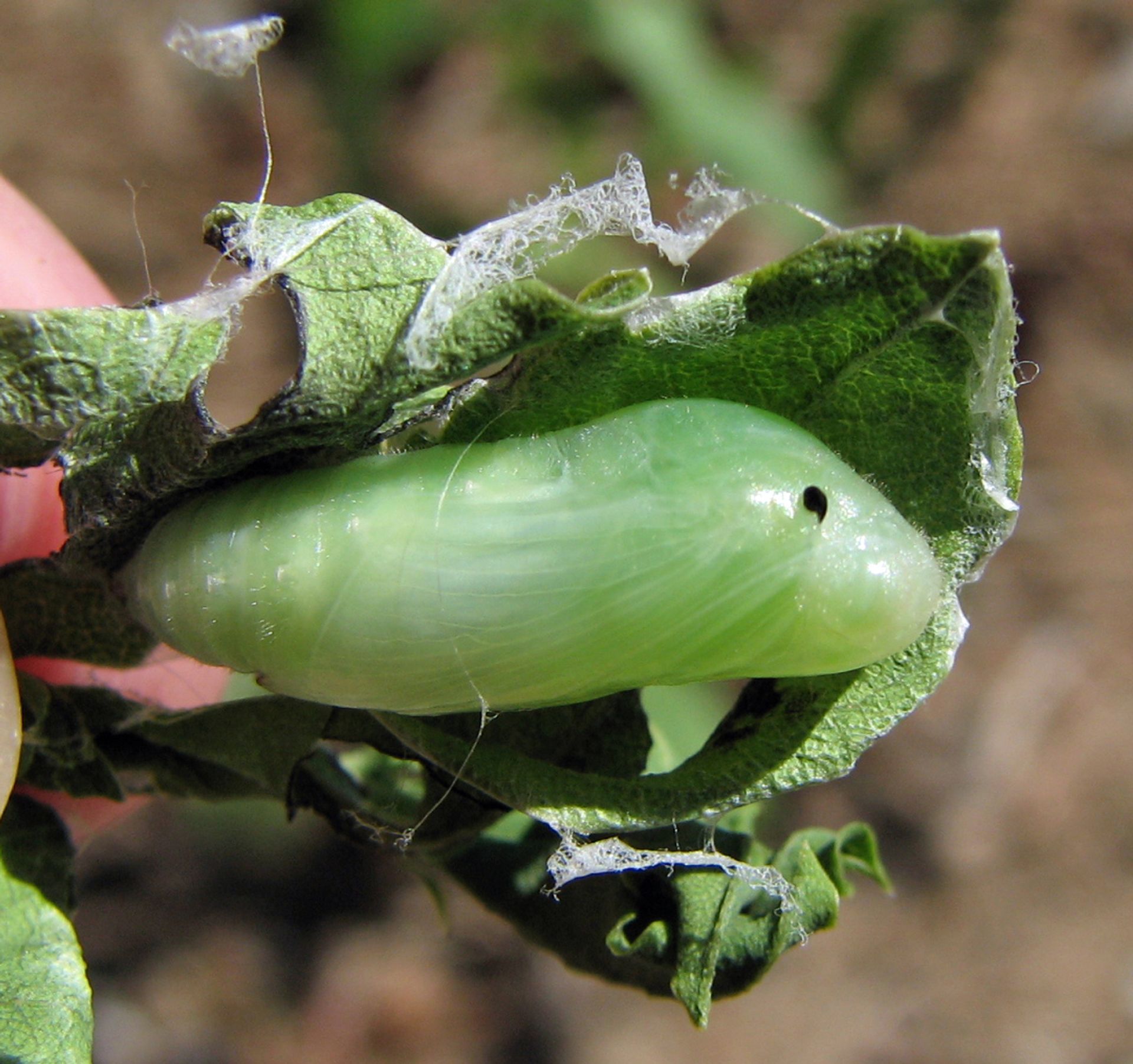
Complete with , larva, pupa, and stages. Larvae feed on plant foliage. Specific details of site and stage not documented in available sources.
Behavior
have been observed visiting flowers. is rapid and characteristic of skippers, with quick, darting movements.
Ecological Role
Larval herbivore on native leguminous plants; likely serves as when visiting flowers. Specific ecological interactions beyond plant relationships not documented.
Human Relevance
Used as an for prairie and open woodland quality. plant associations make it relevant for native plant restoration efforts. Not known to be of agricultural or economic significance.
Similar Taxa
- Erynnis juvenalisJuvenal's duskywing overlaps in range and period; distinguished by hindwing pattern (one or two dots in E. juvenalis vs. different arrangement in E. baptisiae) and plant preferences (oaks for E. juvenalis)
- Erynnis horatiusHorace's duskywing is similar in appearance and flies in spring; distinguished by hindwing pattern and plant (various trees and shrubs including oaks and elms, not legumes)
- Erynnis tagesDingy skipper is a European with similar dark coloration, but not overlapping in range; included here due to mention in grassland monitoring literature as a declining