
Pholisora
Scudder, 1872
sootywing
Species Guides
2- Pholisora catullus(common sootywing)
- Pholisora mejicanus(Mexican Sootywing)
Pholisora is a of skippers ( Hesperiidae) established by Scudder in 1872. The genus contains at least two recognized : the common sootywing (Pholisora catullus) and Pholisora mejicanus. Members are small, dark-colored butterflies often associated with disturbed and weedy vegetation. The common sootywing has been documented in long-term monitoring studies, with showing significant decline in parts of its range.

Pronunciation
How to pronounce Pholisora: //fɔˈlɪsəˌɹɑ//
These audio files are automatically generated. While they are not always 100% accurate, they are a good starting point.
Identification
Distinguished from other dark skippers by the relatively plain, sooty-brown to blackish wing coloration with scattered pale spots. The common sootywing can be separated from similar dark skippers by its small size and the pattern of pale flecks on the wings. Separation from Pholisora mejicanus requires examination of more subtle characters including wing pattern details and geographic distribution.
Images
Habitat
Disturbed open including fields, roadsides, and areas with weedy vegetation. Associated with habitats supporting larval plants in the Amaranthaceae (pigweeds and related plants).
Distribution
North America. Pholisora catullus ranges widely across much of the United States and southern Canada. Pholisora mejicanus occurs in the southwestern United States and Mexico. Distribution records include Vermont and other US states.
Seasonality
Multiple per year in warmer parts of the range; active during spring through fall depending on latitude and local climate conditions.
Diet
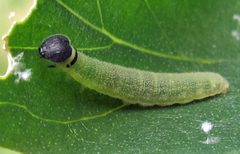
feed on nectar from flowers. Larvae feed on plants in the Amaranthaceae, including pigweeds (Amaranthus ) and related weedy plants.
Host Associations
- Amaranthus - larval plantpigweeds
Life Cycle
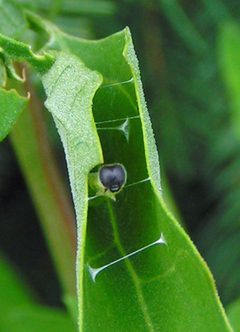
Complete with , larva, pupa, and stages. Larvae feed on plants and pupate in silk shelters on or near the host. Multiple per year in favorable climates.
Behavior
are rapid, darting fliers typical of skippers. They visit flowers for nectar. Larvae construct silk shelters on plants for feeding and .
Ecological Role
as ; herbivore as larvae. Serves as prey for various including . Documented as for the thread-waisted wasp Ammophila pictipennis, which provisions its nests with caterpillars of Pholisora catullus.
Human Relevance
Subject of long-term ecological monitoring due to declines. The common sootywing was once abundant enough to be considered 'common' but has experienced regional extirpations and significant population reductions in parts of its range, making it an for broader decline trends. No significant economic impact as either pest or beneficial .
Similar Taxa
- Other dark Hesperiidae skippersMany skippers have dark coloration; Pholisora distinguished by specific wing pattern of scattered pale spots on dark background and association with Amaranthaceae plants
- AmblyscirtesAnother of small dark skippers; differs in wing pattern details and plant associations
More Details
Population decline
Long-term monitoring data from central California indicates Pholisora catullus has experienced severe decline. The was once abundant enough to be found breeding on pigweed within urban areas (e.g., near Storer Hall at UC Davis) but is no longer found within the city limits of Davis, though populations persist in nearby West Sacramento. This decline is attributed to a combination of use (particularly neonicotinoids) and climate change effects on timing and plant availability.
Taxonomic note
The was established by Scudder in 1872 and is classified in the Pyrginae of Hesperiidae. Some sources formerly placed related in separate genera, but current classification recognizes Pholisora as distinct.