
Copaeodes minima
(Edwards, 1870)
southern skipperling
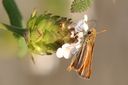
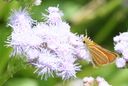
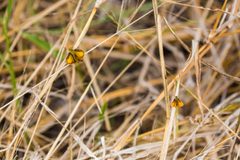
Copaeodes minima, commonly known as the southern skipperling, is a small in the Hesperiidae. It is among the smallest skippers in North America, with a wingspan of 16–22 mm. The exhibits a broad geographic range extending from the southeastern United States through Mexico to Panama, with year-round activity in southern Florida and seasonal activity elsewhere.
Pronunciation
How to pronounce Copaeodes minima: //koʊˈpiː.oʊˌdiːz ˈmɪnɪmə//
These audio files are automatically generated. While they are not always 100% accurate, they are a good starting point.
Identification
Distinguished from other skippers by its exceptionally small size (16–22 mm wingspan), among the smallest in North American Hesperiidae. Similar in the Erynnis (duskywings) are notably larger and have different patterns. The species' small stature and preferences in open, grassy areas help separate it from other small skippers.
Images
Habitat
Open grassy including prairies, meadows, and disturbed areas. Larval habitat is tied to plant presence in sunny, open environments.
Distribution
United States: Arkansas east to North Carolina, south through Florida, the Gulf States, and Texas. Extends south through Mexico to Panama. Present in Middle America and North America.
Seasonality
Two per year with on wing March to October in Louisiana. Year-round activity in Florida.
Diet
Larvae feed on Cynodon dactylon (bermudagrass). feed on flower nectar, with documented use of Helenium tenuifolium (sneezeweed).
Host Associations
- Cynodon dactylon - larval bermudagrass
Life Cycle
Two per year in northern parts of range; continuous breeding possible in southern Florida where are present year-round.
Ecological Role
function as when feeding on nectar. Larvae are herbivores consuming grasses.
Similar Taxa
- Erynnis spp.Similar small, dark skippers but notably larger (typically 25–35 mm wingspan) with different and plant associations
More Details
Nectar sources
have been documented feeding on Helenium tenuifolium (sneezeweed), though likely visit other flowers as well.
Sources and further reading
- BugGuide
- Wikipedia
- GBIF taxonomy match
- Catalogue of Life
- Do Common Methods for Protecting Bees From Pesticides Actually Work?
- Boric Acid Kills Bed Bugs, But Only When They Eat It
- After Emerald Ash Borer, Invertebrates on the Ground Get to Work
- Pseudoxycheila tarsalis – remounted | Beetles In The Bush
- Oedemeridae | Beetles In The Bush