
Pseudocopaeodes
Skinner & Williams, 1923
Species Guides
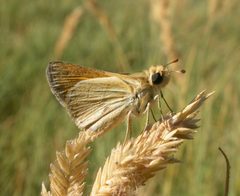
1- Pseudocopaeodes eunus(alkali skipper)
Pseudocopaeodes is a of in the Hesperiidae, described by Skinner & Williams in 1923. The genus contains a single recognized , Pseudocopaeodes eunus (alkali skipper). As a hesperiine skipper, it belongs to the grass skipper . The genus is native to western North America.
Pronunciation
How to pronounce Pseudocopaeodes: //ˌsjuː.doʊˌkoʊ.piˈoʊ.diːz//
These audio files are automatically generated. While they are not always 100% accurate, they are a good starting point.
Identification
The can be distinguished from similar grass skippers (Hesperiinae) by genitalic characters and wing pattern elements specific to its constituent . Pseudocopaeodes eunus has been characterized by distinctive hindwing markings and male genitalia structure that separate it from the related genus Copaeodes, from which it was segregated based on these morphological differences.
Images
Habitat
Associated with alkali wetland and saline meadows. The sole , Pseudocopaeodes eunus, has been documented in wet alkaline grasslands and marshy areas where its larval plants grow.
Distribution
Western North America. Documented from California and surrounding regions.
Host Associations
- Distichlis spicata - larval plantsaltgrass
Similar Taxa
- CopaeodesOriginally described as closely related; Pseudocopaeodes was segregated from Copaeodes based on distinct male genitalia and wing pattern differences.
- HesperiaBoth are Hesperiinae skippers with similar overall body plan; Pseudocopaeodes differs in genitalic structure and specific wing markings.
More Details
Taxonomic history
The was erected by Skinner & Williams in 1923 to accommodate previously placed in Copaeodes that showed distinct morphological features, particularly in male genitalia structure.