
Autochton
Hübner, 1823
Species Guides
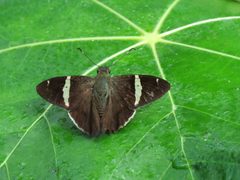
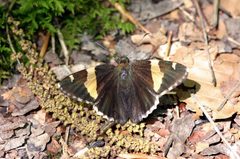
2Autochton is a of in the Hesperiidae, Eudaminae. The genus was historically classified within the spread-winged skippers (Pyrginae) as a tribe before recognition of Eudaminae as a distinct subfamily. in this genus occur from Mexico through Central America to South America. The genus includes approximately 20 described species.
Pronunciation
How to pronounce Autochton: //ɔːˈtɒktən//
These audio files are automatically generated. While they are not always 100% accurate, they are a good starting point.
Identification
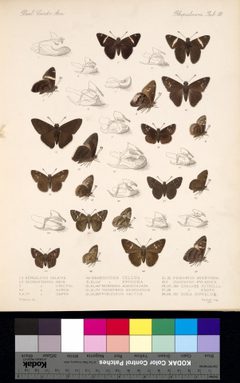
Autochton are medium-sized skippers with characteristic features of the Eudaminae: relatively large , robust bodies, and with hooked tips. They can be distinguished from related by wing pattern details and genitalia , though specific diagnostic features vary among species. Accurate identification to species level generally requires examination of wing pattern details and often dissection of male genitalia.
Images
Habitat
in this inhabit tropical and subtropical forested environments, including lowland rainforests, cloud forests, and forest edges. They are typically associated with humid, vegetated areas where larval plants occur.
Distribution
Mexico to South America, including Central America and northern South America. The shows its greatest diversity in tropical regions.
Host Associations
- Bambusa - larval plantBamboo have been recorded as plants for some Autochton species
- Chusquea - larval plantNeotropical bamboo used by larvae
- Guadua - larval plantGiant bamboo serves as larval food source
Behavior
are rapid, darting fliers characteristic of skippers. They have been observed perching on leaves and branches in forest understories and edges. activity typically occurs during daylight hours.
Ecological Role
Larvae feed on bamboos and related grasses (Poaceae), contributing to nutrient cycling in forest . may serve as for some flowering plants, though this role has not been quantified.
Similar Taxa
- PolygonusAlso in Eudaminae with similar body form and style; differs in wing pattern details and geographic distribution
- ProteidesShares Eudaminae characteristics; distinguished by wing shape and pattern elements
- Pyrginae (historical)Formerly classified together; now separated based on morphological and molecular evidence into distinct Eudaminae