
Nystalea
Guenée, 1852
Species Guides
2- Nystalea eutalanta(Dyar's tropical prominent moth)
- Nystalea indiana(Grote's tropical prominent moth)
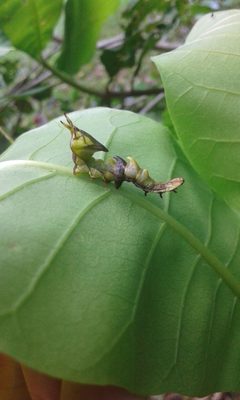
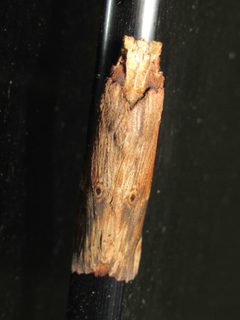
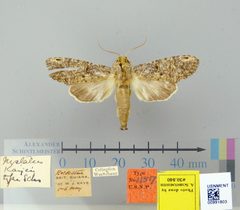
Nystalea is a of in the Notodontidae, established by Achille Guenée in 1852. It belongs to the Nystaleinae, which is named after this genus. The genus contains at least 13 described distributed primarily in the Americas. Nystalea serves as the type genus for its subfamily.
Pronunciation
How to pronounce Nystalea: //nɪˈstɑːliə//
These audio files are automatically generated. While they are not always 100% accurate, they are a good starting point.
Identification
Nystalea can be distinguished from other Notodontidae by a combination of wing pattern and genitalic characters, though specific diagnostic features vary among species. The genus is characterized within Nystaleinae by forewing venation and male genitalia structure. Species-level identification requires examination of genitalia and often relies on geographic distribution and subtle wing pattern differences.
Images
Distribution
of Nystalea occur in the Americas, with records from North America (including the United States), Central America, and South America. Specific distribution varies by species; for example, Nystalea indiana occurs in eastern North America, while Nystalea nyseus and Nystalea ebalea have broader Neotropical distributions.
Similar Taxa
- Other Nystaleinae generaShare characteristics including similar wing venation patterns; distinguished by genitalic and specific wing pattern elements
- DatanaAnother Notodontidae with somewhat similar forewing shape; differs in wing pattern details and larval
More Details
Taxonomic history
Nystalea was erected by Achille Guenée in 1852 and has served as the basis for the Nystaleinae. The includes the type Nystalea superciliosa Guenée, 1852.
Species diversity
At least 13 are currently recognized, including Nystalea indiana, N. nyseus, N. ebalea, N. collaris, N. eutalanta, N. congrua, N. aequipars, N. superciliosa, N. guttiplena, N. inchoans, N. attenuata, N. seminivea, and N. ocellata. Several species were originally described in other and later transferred to Nystalea.