
Macrurocampa
Dyar, 1904
mottled prominent (for M. marthesia), blue moor-grass moth (for M. zayasi)
Species Guides
7Macrurocampa is a of prominent moths in the Notodontidae, Heterocampinae. It was erected by Harrison Gray Dyar Jr. in 1904 and contains nine recognized . The genus is primarily distributed in North America, with one species (M. zayasi) recorded from Cuba.
Pronunciation
How to pronounce Macrurocampa: /məˌkruːrəˈkæmpə/
These audio files are automatically generated. While they are not always 100% accurate, they are a good starting point.
Identification
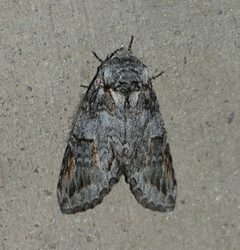
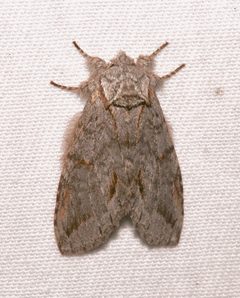
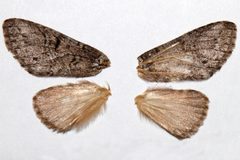
in this can be distinguished from other Heterocampinae by a combination of genitalic characters and forewing pattern elements. Macrurocampa marthesia, the most commonly encountered species, shows a distinctive mottled gray-brown forewing with darker transverse lines and a small discal spot. The genus name refers to the elongated anal margin of the hindwing in some species. Accurate identification to species level generally requires examination of genitalia.
Images
Habitat
occupy a range of forested and shrubland . Macrurocampa marthesia is associated with deciduous woodlands, particularly those containing oak (Quercus). Macrurocampa alpina occurs at higher elevations in western North America.
Distribution
Primarily North America. Records include the United States, Canada, and Cuba (M. zayasi). The shows highest diversity in the eastern and southwestern United States.
Seasonality
are active primarily from late spring through summer, with most records between May and August. Exact periods vary by and latitude.
Host Associations
- Quercus - for M. marthesia
- Andropogon - for M. zayasi (blue moor-grass)
Ecological Role
Larvae function as herbivores on woody and herbaceous plants. Their role in nutrient cycling and as prey for and has not been quantified.
Human Relevance
Macrurocampa marthesia is occasionally encountered by naturalists and photographers due to its distinctive appearance. No are considered agricultural pests.
Similar Taxa
- HeterocampaAlso in Heterocampinae with similar forewing patterns; distinguished by genitalic structure and details of wing venation
- DatanaSimilar overall appearance and use; Datana often show more uniform coloration and have different larval habits (gregarious feeding)
More Details
Taxonomic authorship
The was originally described by Dyar in 1904, though some sources cite 1893. The authorship 'Neumoegen & Dyar, 1904' appears in some databases due to a co-authored work, but Dyar alone is generally accepted.
Species diversity
Nine are currently recognized. The Cuban M. zayasi represents the only species recorded outside of North America sensu stricto.