Coelodasys conspecta
(Edwards, 1875)
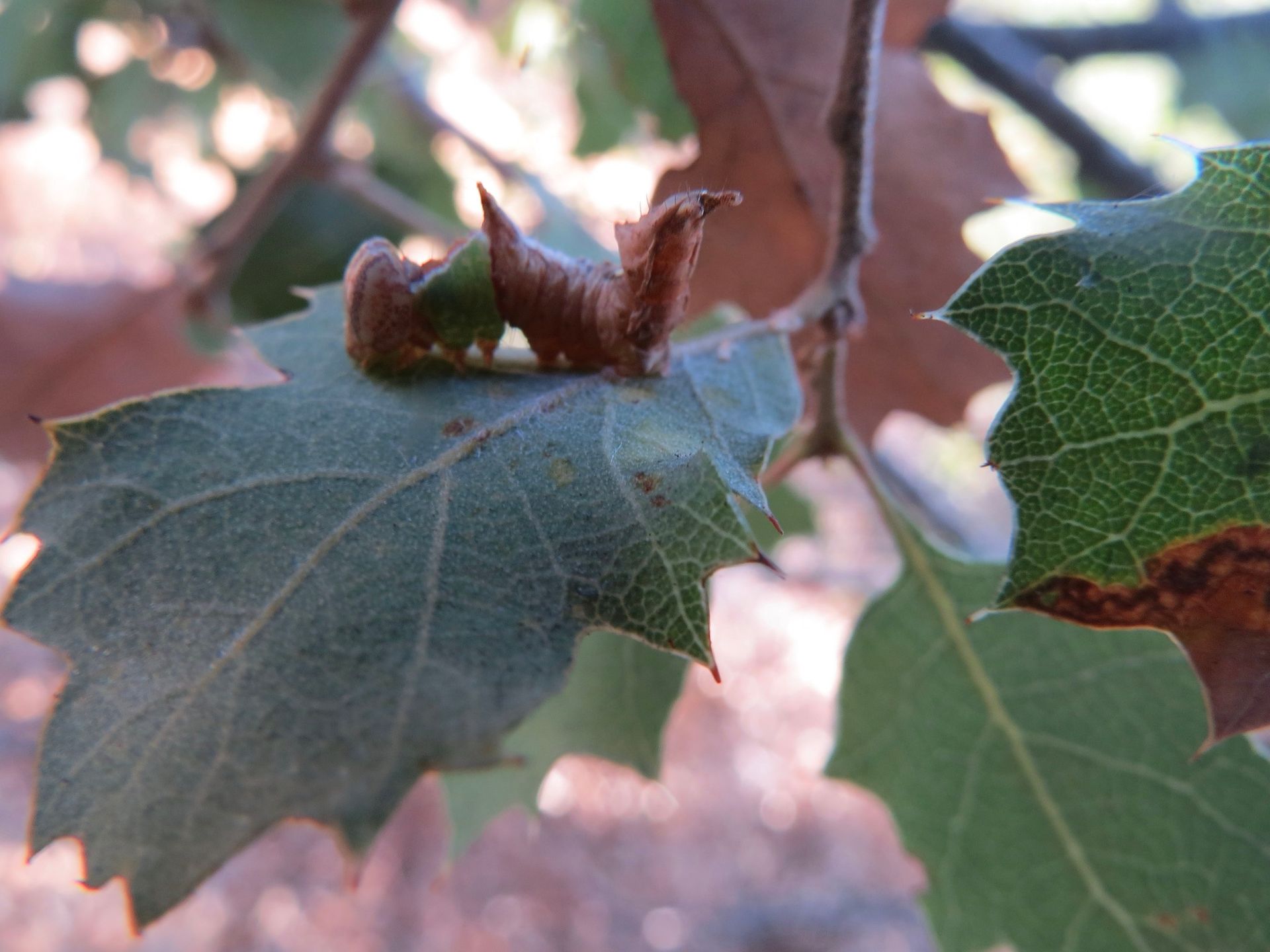
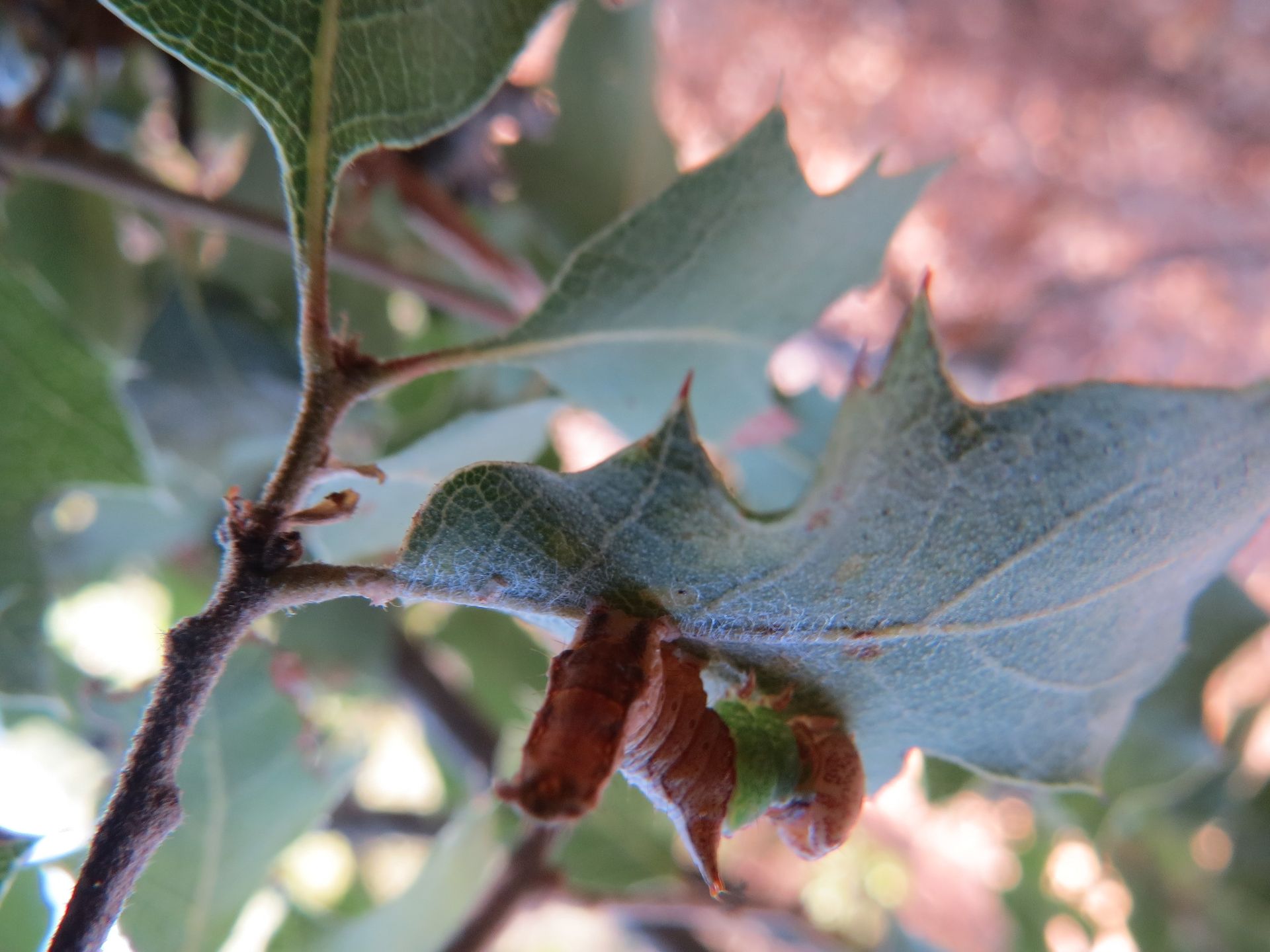
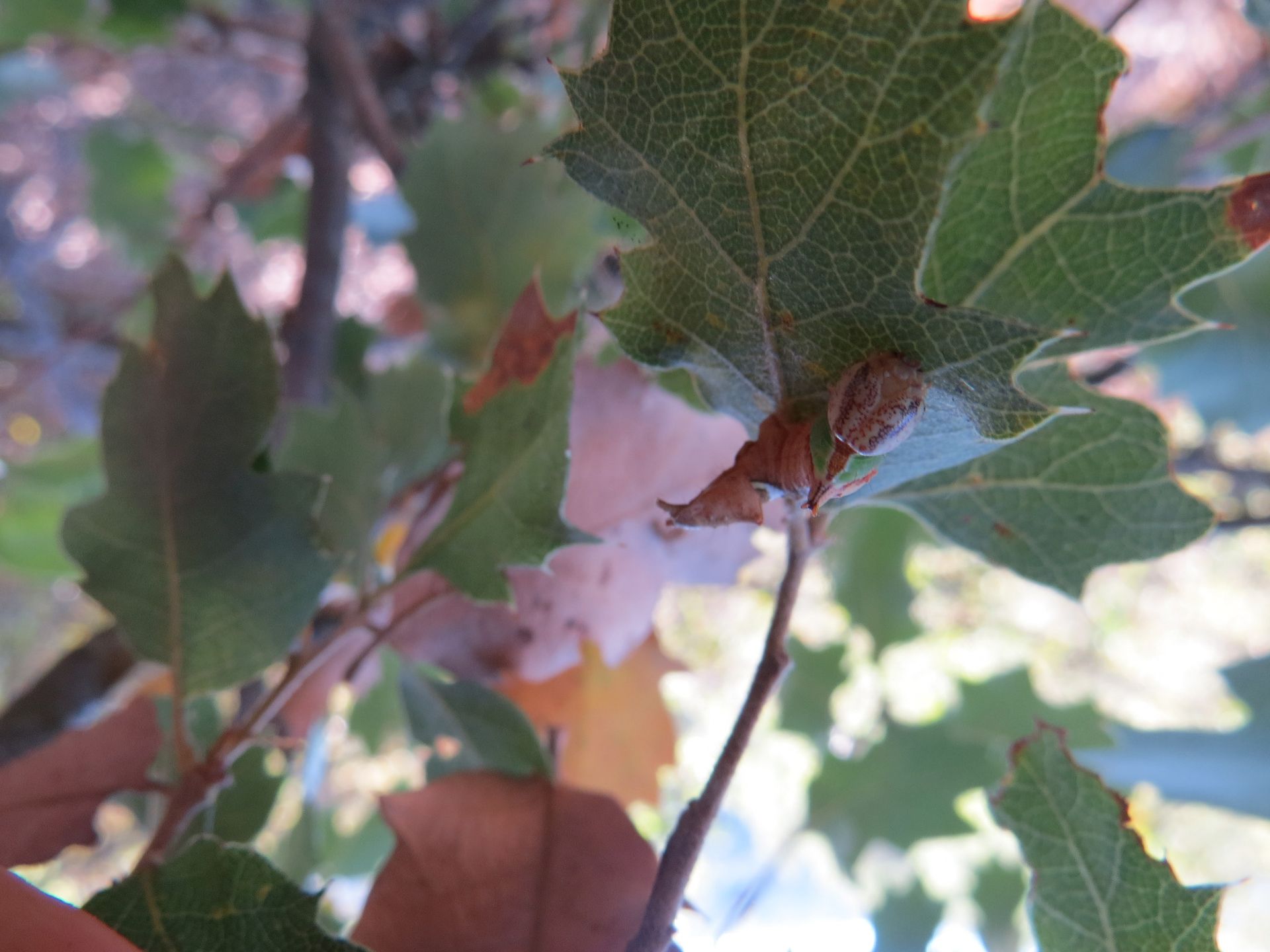
Coelodasys conspecta is a of prominent in the Notodontidae, described by Edwards in 1875. It belongs to the Heterocampinae, a group known for caterpillars with distinctive morphological adaptations. The species has been documented through approximately 70 iNaturalist observations, indicating it is encountered with moderate frequency by naturalists. As with many Notodontidae, the larval stage is likely the most frequently observed life stage.
Pronunciation
How to pronounce Coelodasys conspecta: //ˌsiːloʊˈdeɪsɪs kənˈspɛktə//
These audio files are automatically generated. While they are not always 100% accurate, they are a good starting point.
Identification
may be distinguished from other Coelodasys by genitalia examination; external requires comparison with closely related heterocampine species. Larvae, if consistent with characteristics, may possess modified abdominal segments or prominent projections typical of Heterocampinae.
Images
Distribution
North America; specific range details require verification from primary sources.
Similar Taxa
- Coelodasys unicornisCongeneric with potentially overlapping distribution; accurate separation requires examination of genitalia or detailed morphological comparison
- Other Heterocampinae genera (e.g., Heterocampa, Lochmaeus)Larvae share characteristics such as modified abdominal segments; may show convergent wing patterns
More Details
Taxonomic Note
The Coelodasys was historically treated as part of broader heterocampine ; modern classifications recognize it as distinct based on larval and . The specific epithet 'conspecta' (Latin: 'viewed, inspected') may refer to the original description's emphasis on visible diagnostic features.
Data Limitations
Published biological information for this appears sparse in readily accessible sources. Most available data derives from specimen records and citizen science observations rather than dedicated studies.