Coelodasys unicornis
(Smith, 1797)
Unicorn Caterpillar Moth, Unicorn Prominent, Variegated Prominent
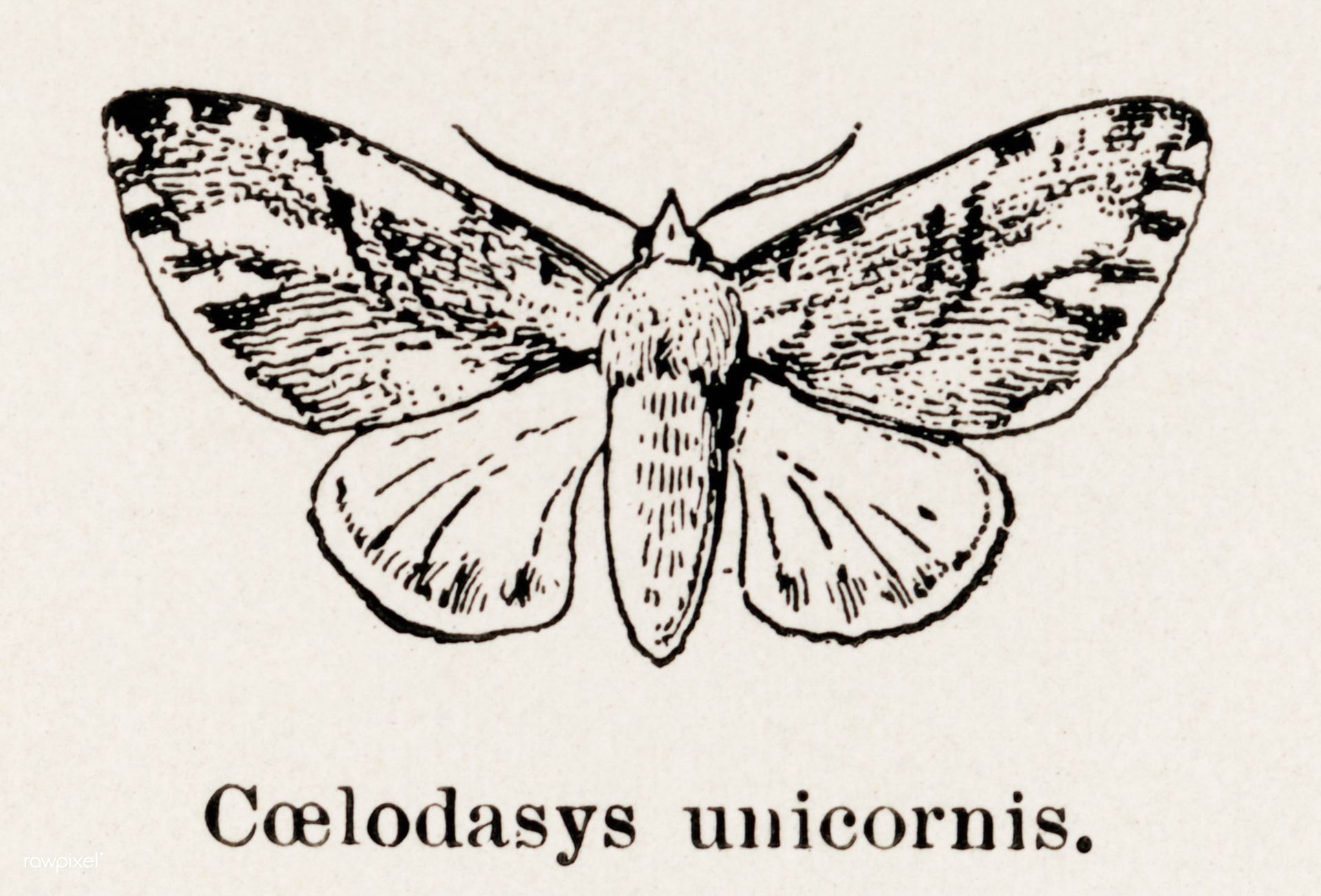
Coelodasys unicornis is a North American in the Notodontidae, first described by James Edward Smith in 1797. The was transferred from the Schizura to Coelodasys in 2021 based on phylogenetic research. It is known by multiple reflecting its distinctive larval and appearance. The species has a single and a broad plant range among woody deciduous plants.

Pronunciation
How to pronounce Coelodasys unicornis: //siːləˈdeɪsɪs ˌjuːnɪˈkɔːrnɪs//
These audio files are automatically generated. While they are not always 100% accurate, they are a good starting point.
Identification
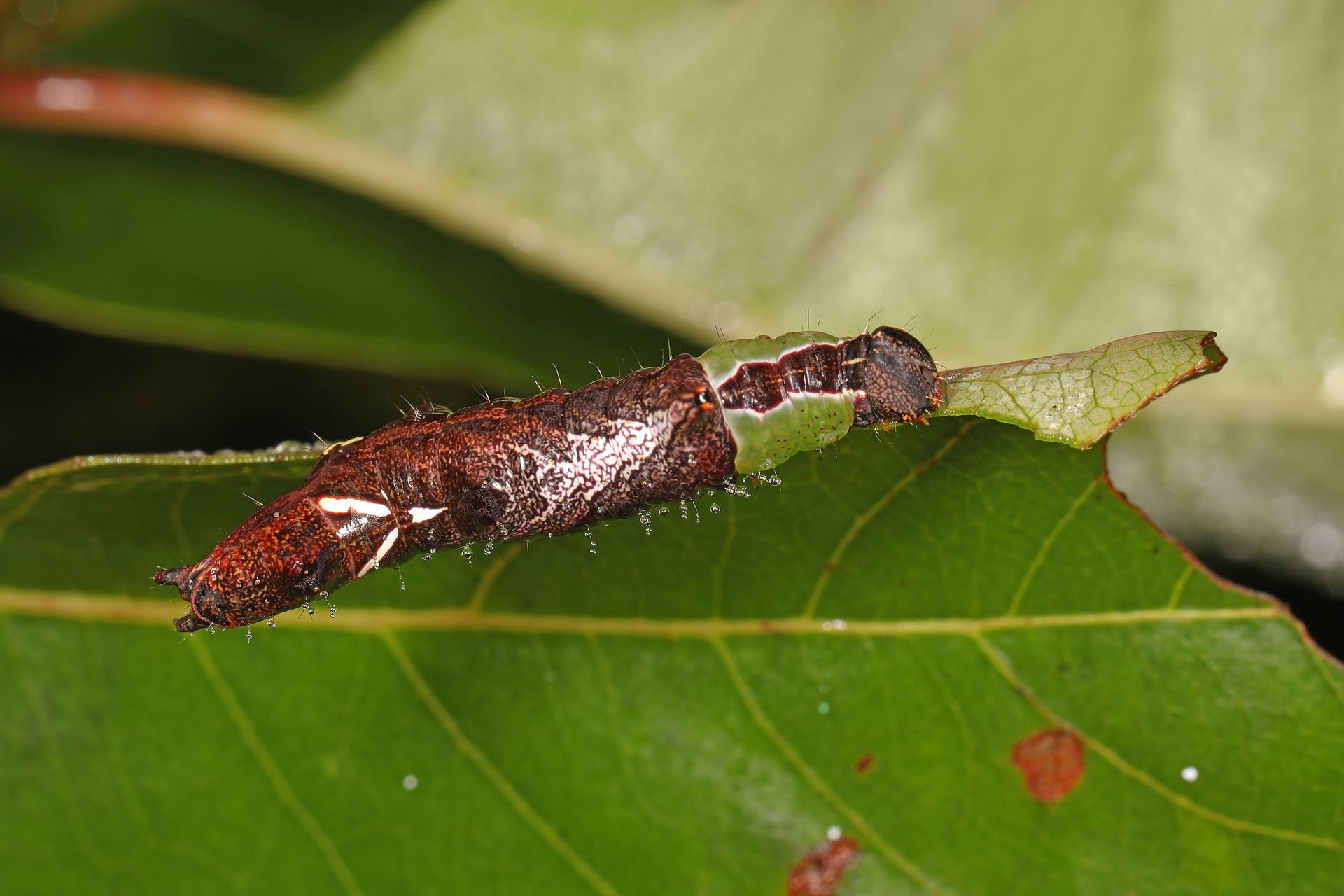
Larvae are distinguished from other prominent caterpillars by the single horn on the first abdominal segment. may be identified by size range and association with known larval , though specific diagnostic features for separating adults from related Coelodasys are not documented in available sources.
Images
Habitat
Associated with deciduous forests and woodlands containing its plants. Found in environments supporting Alnus, Betula, Populus, Salix, and other woody .
Distribution
North America south of the Arctic. Specific range boundaries are not detailed in available sources.
Seasonality
One per year. period and larval occurrence timing are not specified in available sources.
Diet
Larvae feed on leaves of Alnus (alders), Malus (apples), Populus tremuloides (quaking aspen), Betula papyrifera (paper birch), Ulmus (elms), Crataegus (hawthorns), Carya (hickories), and Salix (willows). feeding habits are not documented.
Host Associations
- Alnus - larval
- Malus - larval
- Populus tremuloides - larval
- Betula papyrifera - larval
- Ulmus - larval
- Crataegus - larval
- Carya - larval
- Salix - larval
Life Cycle
(one per year). Specific details of , larval instars, site, and stage are not documented in available sources.
Ecological Role
Larval herbivore on diverse woody deciduous plants. Specific ecological impacts or interactions are not documented.
Human Relevance
No documented economic importance. The distinctive larva may attract observation by naturalists.
Similar Taxa
- Schizura spp.Formerly classified in this ; separated by 2021 phylogenetic revision based on morphological and molecular data.
- Other Coelodasys speciesCongeneric may overlap in range; larval horn and associations may assist differentiation, though specific comparative data are not available.
Misconceptions
The 'unicorn' refers to the larval horn, not any feature. The was long placed in Schizura, and older literature may use this outdated combination.
More Details
Taxonomic history
Transferred from Schizura to Coelodasys in 2021 based on research published that year.
Observation frequency
Over 10,000 observations recorded on iNaturalist, indicating it is frequently encountered and photographed.