
Plagiomimicus yakama
Crabo & Wikle, 2018
Plagiomimicus yakama is a noctuid described by Crabo & Wikle in 2018. It belongs to the Stiriinae, a group of small to medium-sized owlet moths. The Plagiomimicus is part of the diverse Noctuidae , which contains many species that are attracted to artificial light sources at night. As a recently described species, detailed biological information remains limited.
Pronunciation
How to pronounce Plagiomimicus yakama: /ˌpleɪdʒi.oʊˈmɪmɪkəs ˈjækəmə/
These audio files are automatically generated. While they are not always 100% accurate, they are a good starting point.
Identification
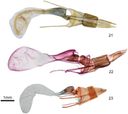
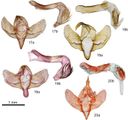
As a recently described (2018), specific diagnostic features distinguishing Plagiomimicus yakama from have not been widely published in accessible sources. Members of the Plagiomimicus generally resemble other small noctuoid with relatively broad forewings. Accurate identification to species level likely requires examination of genitalic characters or reference to the original species description.
Images
Habitat
Based on the type locality and related , the is likely dry mixed conifer forest with oak components, consistent with the region in southwestern North America where have been documented. The related species Plagiomimicus dimidiata has been recorded at 7,000 feet elevation in similar habitat in Grant County, New Mexico.
Distribution
The specific distribution of Plagiomimicus yakama is not detailed in available sources. The Plagiomimicus occurs in western North America, with related documented in the southwestern United States including New Mexico.
Behavior
As with most Noctuidae, are likely and attracted to artificial light sources.
Similar Taxa
- Plagiomimicus dimidiata in the same , similar in general appearance as small noctuid ; early life stages of P. dimidiata are unknown, and both require careful examination for separation
More Details
Recent description
This was formally described in 2018, making it one of the more recently recognized members of the North American noctuid fauna. The limited number of observations (14 records in iNaturalist as of source date) reflects its recent description rather than necessarily extreme rarity.