
Stiriinae
Grote, 1882
owlet moths
Tribe Guides
4- Annaphilini
- Fala
- Fota
- Stiriini(owlet moths (tribe))
Stiriinae is a of owlet moths (Noctuidae) comprising approximately 160 described across more than 20 . The group underwent significant taxonomic revision in 2019–2021 based on phylogenetic research, with the former tribe Stiriini elevated to subfamily status and internal classification reorganized into two tribes: Stiriini and Annaphilini. The subfamily exhibits exceptional plant specialization, with many species feeding on a single Asteraceae species.
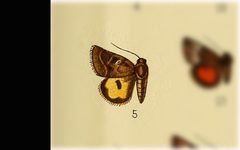
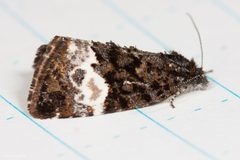
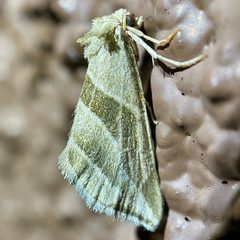
Pronunciation
How to pronounce Stiriinae: //ˈstaɪəriːneɪ//
These audio files are automatically generated. While they are not always 100% accurate, they are a good starting point.
Images
Habitat
Deserts, grasslands, and adjacent foothills of mountain ranges; distribution centered in arid regions of Mexico and the southwestern United States.
Distribution
Nearctic region, with approximately 91% of occurring in North America; diversity concentrated in Mexican deserts and adjacent grassland .
Diet
Larvae primarily feed on seeds of Asteraceae; some lineages feed on leaves or flowers. Seed-feeding represents the feeding strategy in the .
Host Associations
- Asteraceae - larval food plantExceptionally specialized associations; many utilize only a single species within a given region.
Life Cycle
Larvae of the nominate Stiria exhibit ontogenetic matching of plant , tracking plant through development.
Behavior
Larval plant masquerading has been documented in members of the nominate , involving phenological synchronization with host plant .
Ecological Role
Seed of Asteraceae; specialized herbivores with narrow ranges that may influence plant in arid .
Human Relevance
Vulnerable to climate change and loss due to specialized associations; taxonomic revisions in 2019–2021 altered generic assignments affecting identification resources.
Similar Taxa
- GrotellinaeFormerly a subtribe of Stiriini, elevated to status in 2019; distinguished by phylogenetic placement separate from Stiriinae.
- MetoponiinaeClosely related that received transferred from former Stiriini classification based on 2019–2021 phylogenetic studies.
More Details
Taxonomic History
The current classification reflects major revisions from 2019 and 2021 phylogenetic studies. The tribe Stiriini was determined to be polyphyletic, with diversity distributed across three . Stiriini was elevated to subfamily Stiriinae, Grotellina was elevated to Grotellinae, and various were transferred to Metoponiinae. Stiriinae now contains two tribes (Stiriini and Annaphilini) with no subtribes.
Conservation Concern
Many have only one known plant species, making them especially at risk due to climate change and loss.
Recent Nomenclatural Changes
2019–2021 revisions included: establishment of Tiburona ; transfer of Basilodes dysnoa to Stiria; reinstatement of Polenta as distinct from Plagiomimicus; restoration of Euedwardsia and Cyptonychia as separate genera; and elevation of Chrysoecia ranunculi f. albipuncta to status.