Plagiomimicus spumosum
(Grote, 1874)
Frothy Moth
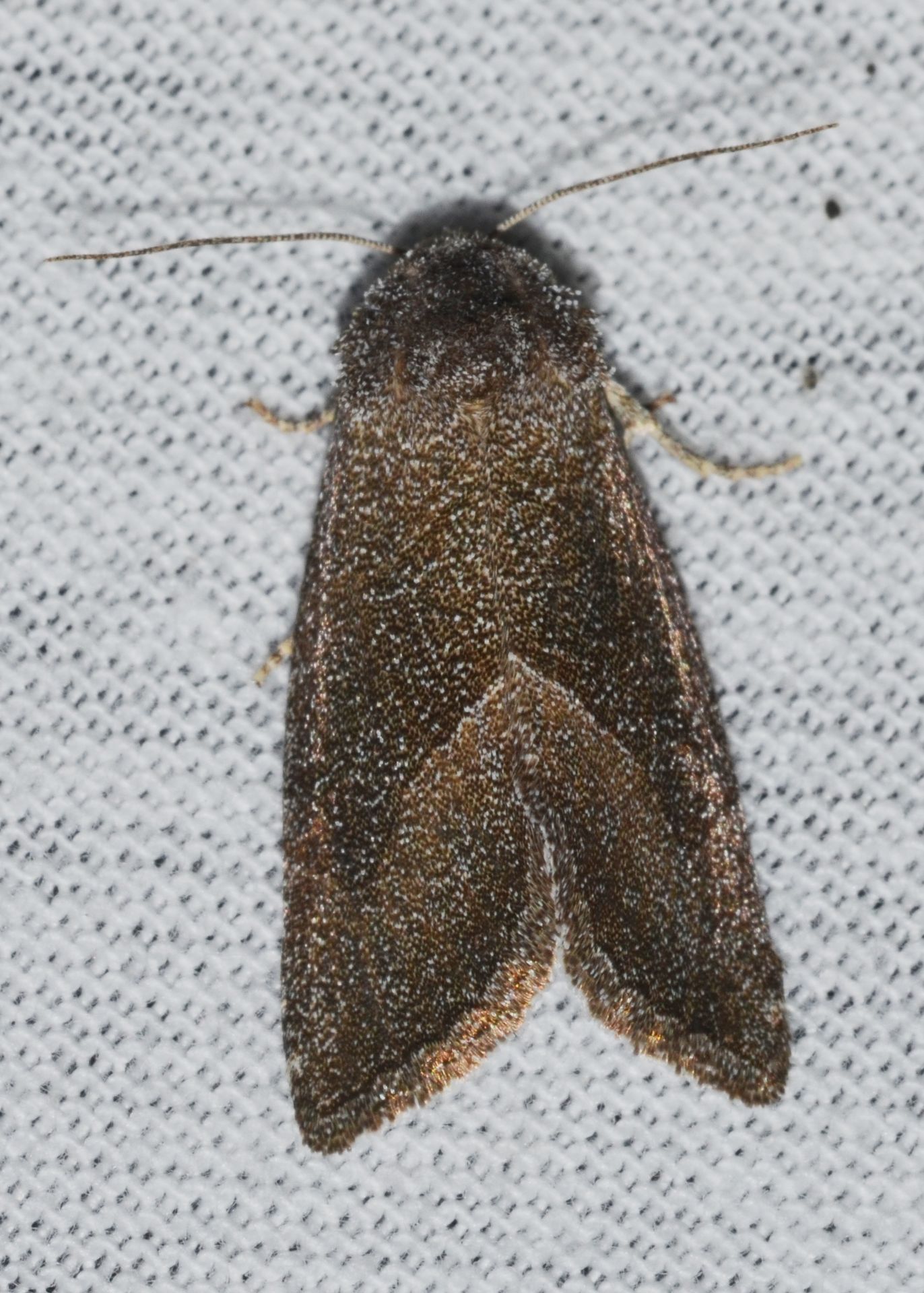
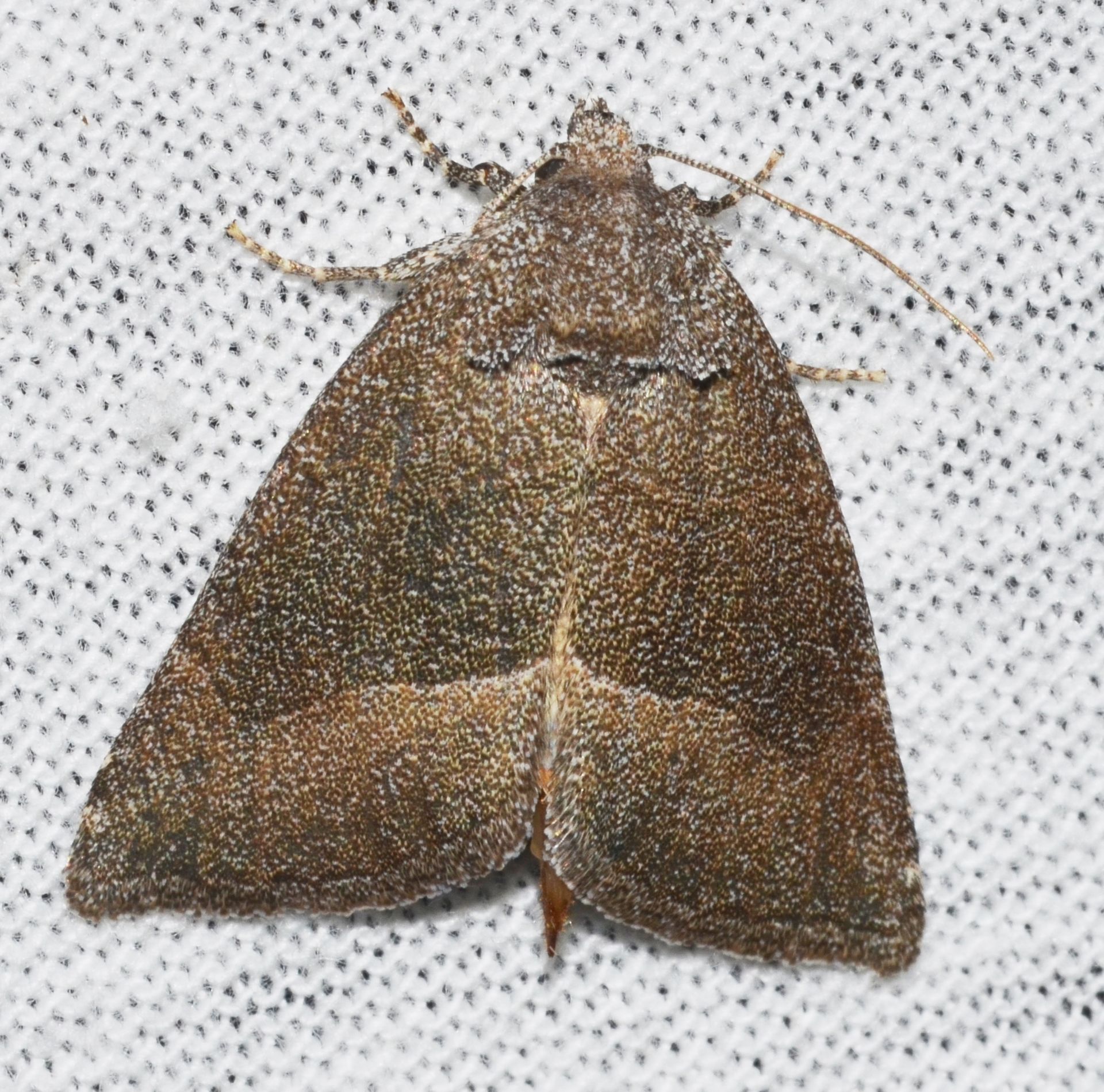
Plagiomimicus spumosum, commonly known as the frothy , is a noctuid moth described by Augustus Radcliffe Grote in 1874. It has a transcontinental distribution across North America, from southern Canada to the United States. The is , with active in mid-summer. Larvae are seed-feeding on sunflower (Helianthus annuus), burrowing into the flower to consume developing seeds.

Pronunciation
How to pronounce Plagiomimicus spumosum: /ˌplædʒiəˈmɪmɪkəs spuːˈmoʊsəm/
These audio files are automatically generated. While they are not always 100% accurate, they are a good starting point.
Identification
can be distinguished from similar noctuids by genitalia dissection; external characters may not reliably separate from congeneric . The specific epithet 'spumosum' (Latin: frothy) may refer to adult patterning, though this is not documented in available sources. Larvae are identified by their presence within sunflower and seed-feeding damage.
Images
Appearance
Wingspan 33–40 mm. consistent with Noctuidae: stout body, wings folded tent-like over at rest.
Habitat
Associated with sunflower-growing regions; specific preferences of not documented. Occurs in dry mixed conifer forest with oaks at 7,000 ft elevation in at least part of range (southwest New Mexico), though this reflects a single observation site rather than definitive habitat characterization.
Distribution
Transcontinental in the United States; north to southern Ontario and southern Alberta in Canada. Present in Alberta and Saskatchewan (GBIF).
Seasonality
on wing mid-summer; one per year ().
Diet
Larvae feed on seeds of Helianthus annuus (common sunflower), burrowing into the flower to access developing seeds. diet not documented.
Host Associations
- Helianthus annuus - larval Larvae burrow into flower and feed on seeds
Life Cycle
: one per year with emerging mid-summer. Larval development occurs within sunflower . site not documented.
Behavior
attracted to light. Larvae are seed-borers, entering sunflower to feed.
Ecological Role
Seed on Helianthus annuus; -level impacts on sunflower not quantified. May serve as prey for .
Human Relevance
Potential minor pest of cultivated sunflower, though economic significance not documented. No other documented human associations.
Similar Taxa
- Plagiomimicus dimidiata with unknown early life stages; may resemble P. spumosum but specific distinguishing characters not provided in sources
- Other NoctuidaeMany noctuids require genitalia dissection for definitive identification; external often insufficient for -level determination
More Details
Taxonomic History
Originally described as Stibadium spumosum by Grote in 1874; later transferred to Plagiomimicus. Basionym: Stibadium spumosum Grote, 1874.
Observation Data
iNaturalist records: 462 observations as of source date, indicating moderate detection frequency across range.