Syngrapha ignea
(Grote, 1863)
Mountain Beauty Moth, mountain beauty
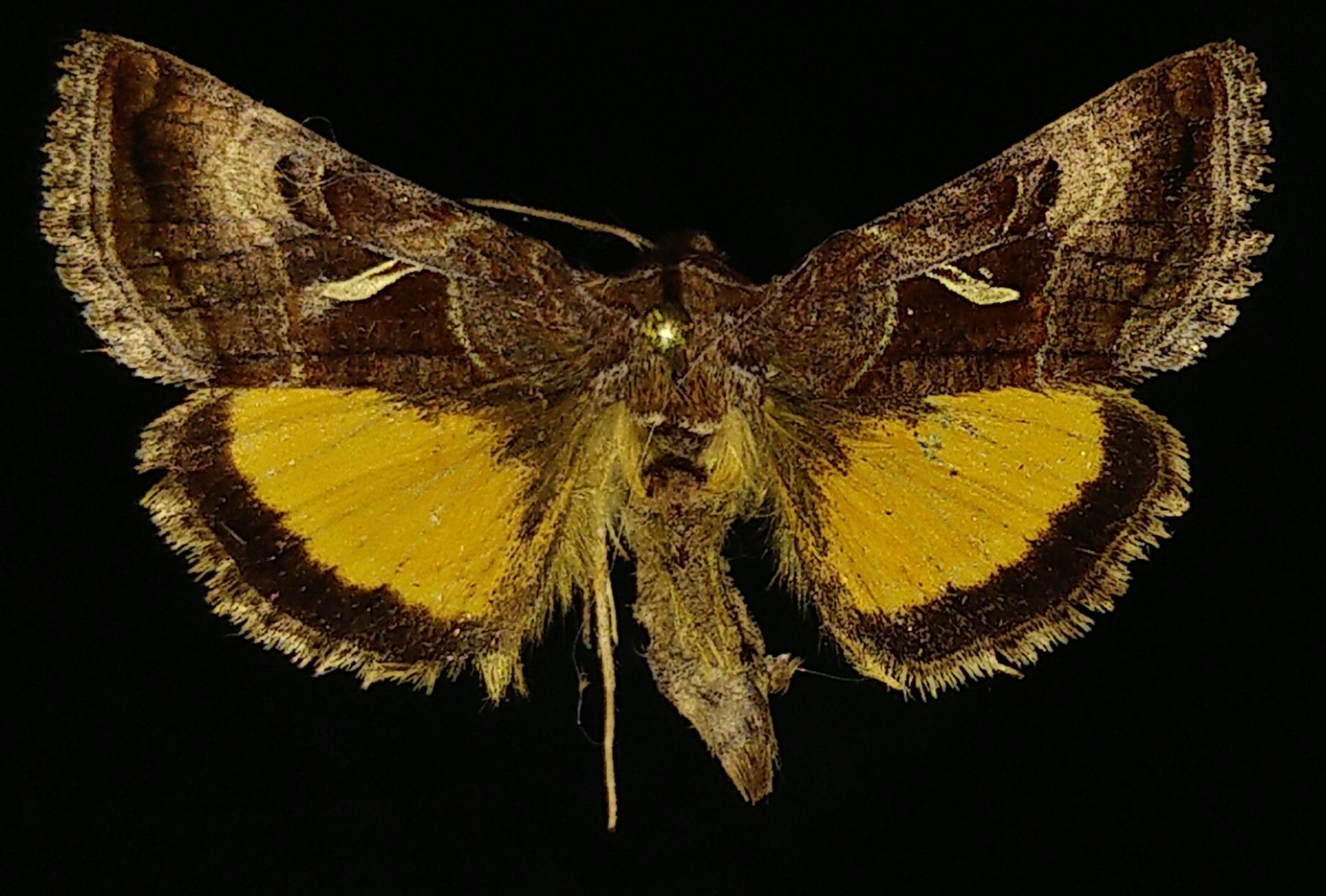
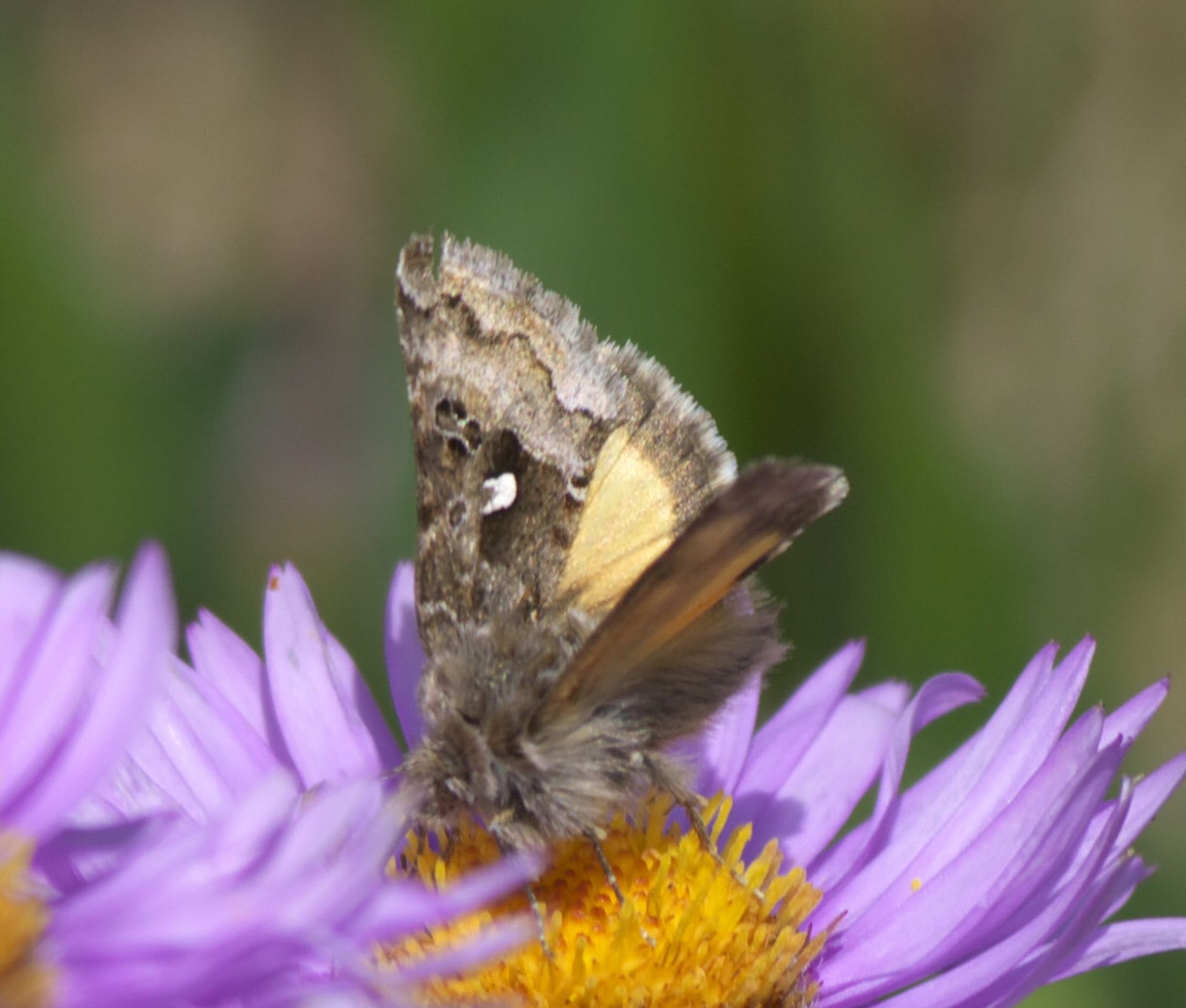
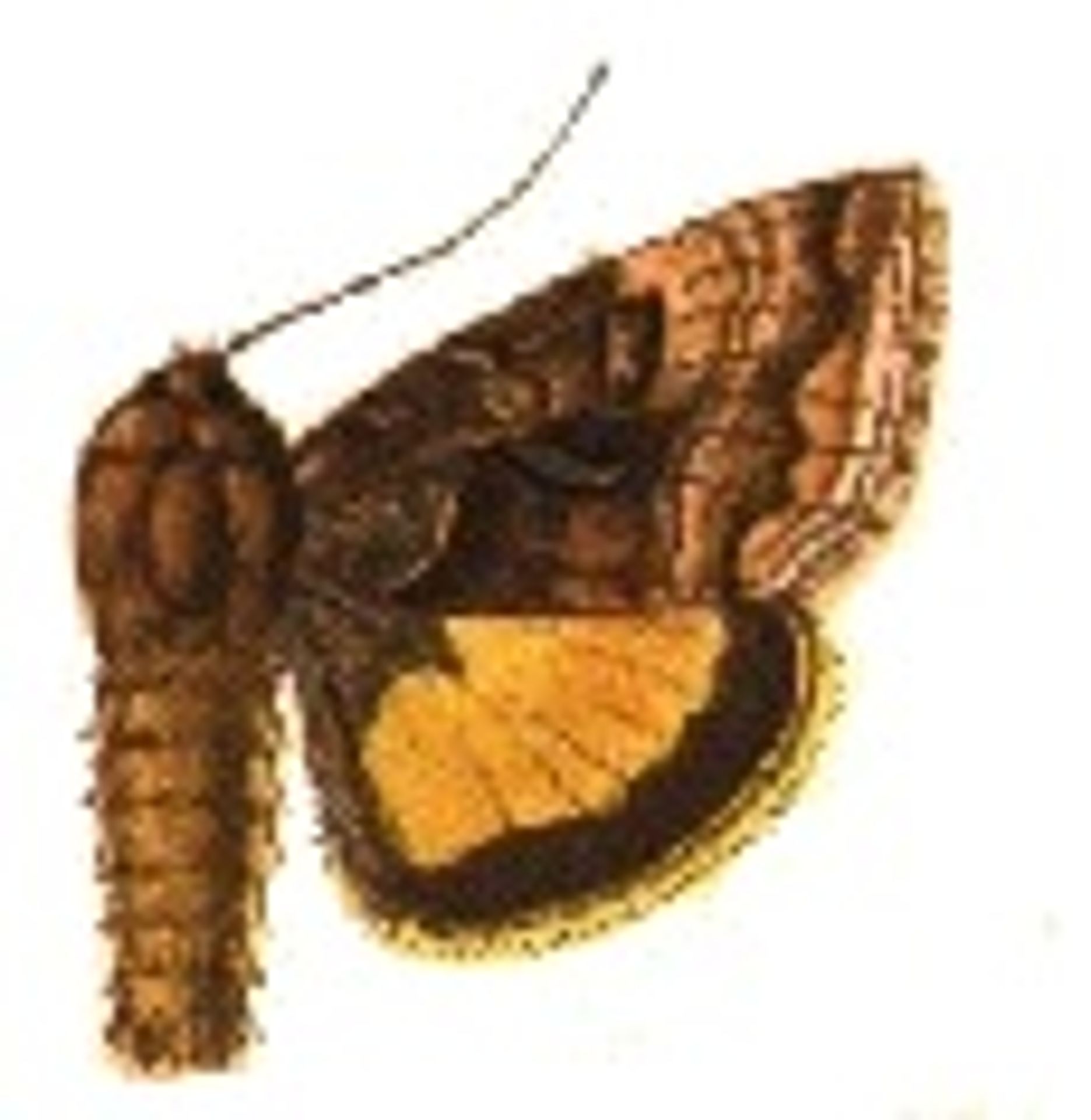
Syngrapha ignea, commonly known as the mountain beauty , is a noctuid moth described by Grote in 1863. It exhibits a notably broad geographic distribution spanning from northern Alaska to southern California and New Mexico, with an additional disjunct in Labrador. The species occurs across forest and subarctic , suggesting to cooler montane and northern environments. It belongs to the Plusiinae, a group characterized by distinctive wing patterns and often or activity.
Pronunciation
How to pronounce Syngrapha ignea: //sɪnˈɡræfə ˈɪɡniə//
These audio files are automatically generated. While they are not always 100% accurate, they are a good starting point.
Images
Habitat
forest and subarctic regions; montane environments at varying elevations from Alaska southward through western North America. The disjunct Labrador suggests for cool, northern conditions.
Distribution
Northern Alaska south to southern California and New Mexico; disjunct in Labrador. Present in Alberta and Saskatchewan, Canada. Sparingly distributed across the forest and subarctic zones.
More Details
Taxonomic Note
Originally described as Plusia ignea by Grote in 1864 (or 1863 per some sources), later transferred to Syngrapha. The genus Syngrapha belongs to the tribe Plusiini within Plusiinae, a group often referred to as 'loopers' or 'owlet moths' though many are day-flying.
Distribution Pattern
The disjunct Labrador , separated from the main western North American range, represents a notable biogeographic pattern. Such disjunctions are characteristic of with affinities that may have experienced range fragmentation during post-glacial recolonization.