
Syngrapha angulidens
(Smith, 1891)
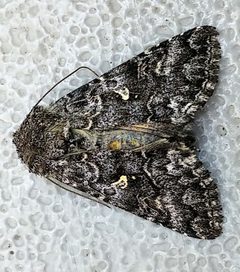
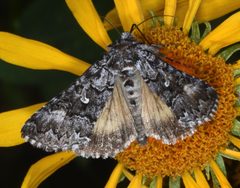
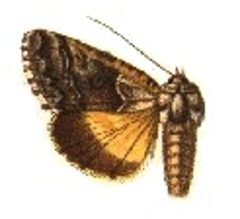
Syngrapha angulidens is a noctuid described by Smith in 1891. It is distributed across montane regions of western North America from Alaska to New Mexico. The has a single with active in mid-summer.
Pronunciation
How to pronounce Syngrapha angulidens: /sɪnˈɡræfə æŋˈɡjuːlɪˌdɛnz/
These audio files are automatically generated. While they are not always 100% accurate, they are a good starting point.
Identification
Distinguished from other Syngrapha by geographic range and plant associations; specific diagnostic morphological features not documented in available sources. The two recognized (S. a. angulidens and S. a. excelsa) differ in distribution and possibly elevation.
Images
Appearance
Wingspan 30–34 mm. Forewing pattern characteristic of the Syngrapha with angled or irregular markings; precise coloration and pattern details not specified in available sources.
Habitat
Montane coniferous forests; associated with elevations supporting Abies and Pseudotsuga.
Distribution
North America: Alaska south through the Rocky Mountains and Cascade-Sierra ranges to northern Oregon, western Nevada, Arizona and New Mexico; east to Colorado, western Wyoming, Montana and Alberta.
Seasonality
active July to August; one per year.
Diet
Larvae feed on Abies (firs) and Pseudotsuga (Douglas-firs) .
Host Associations
- Abies - larval plant level
- Pseudotsuga - larval plant level
Life Cycle
; one per year with larval development on conifer and in mid-summer.
Ecological Role
Larval herbivore on conifer foliage; specific impacts not documented.
Similar Taxa
- Other Syngrapha speciesShared characteristics; differentiation requires examination of genitalia or geographic/ data
More Details
Subspecies
Two recognized : Syngrapha angulidens angulidens and Syngrapha angulidens excelsa. Distributional and ecological distinctions between them are not fully documented in available sources.