
Abrostola urentis
Guenée, 1852
Spectacled Nettle Moth, Variegated Brindle
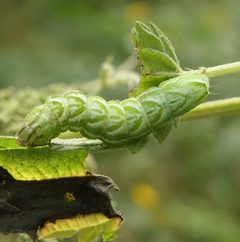
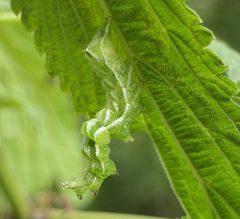
Abrostola urentis is a noctuid with a wingspan of 30–32 mm. It is known by two : the spectacled nettle moth and the variegated brindle. The has a broad distribution across North America, with active in summer and larvae specialized on stinging nettle.
Pronunciation
How to pronounce Abrostola urentis: /æbˈrɒstələ juˈrɛntɪs/
These audio files are automatically generated. While they are not always 100% accurate, they are a good starting point.
Identification
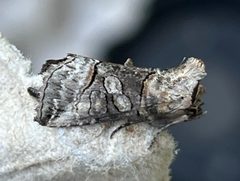
The combination of moderate size (30–32 mm wingspan), variegated brindled forewing pattern, and summer period helps distinguish this from other North American noctuids. The 'spectacled' appearance may refer to pale or contrasting markings near the or on the collar. Final identification typically requires examination of genitalia or reference to regional faunal works.
Images
Appearance
Wingspan 30–32 mm. display variegated patterning consistent with the 'variegated brindle'. The 'spectacled' common name likely refers to distinct markings on the or , though specific details are not documented in available sources.
Habitat
Associated with areas supporting its larval plant, Urtica dioica (stinging nettle). This includes moist, disturbed such as stream banks, roadsides, forest edges, and anthropogenic environments where nettle establishes.
Distribution
North America: Nova Scotia west across Canada to Vancouver Island, south to North Carolina, Missouri, Texas, Colorado, and Oregon. Documented Canadian provincial records include Alberta, Manitoba, and Saskatchewan.
Seasonality
on wing June to July in one per year; timing varies by location.
Diet
Larvae feed exclusively on Urtica dioica (stinging nettle). feeding habits are not documented.
Host Associations
- Urtica dioica - larval foodplantstinging nettle
Life Cycle
(one per year). Larval stage feeds on nettle; and details are not documented in available sources.
Behavior
activity typical of Noctuidae. Specific behavioral observations beyond period are not documented.
Ecological Role
Herbivore in larval stage, specializing on a common disturbance-adapted plant. Potential prey for . Specific ecological functions (pollination, nutrient cycling, etc.) are not documented.
Human Relevance
No significant economic or cultural importance documented. The larval association with stinging nettle, a plant sometimes considered a nuisance weed, may provide incidental biological interest.
Similar Taxa
- Other Abrostola species Abrostola contains multiple with similar size and general appearance; accurate identification requires detailed examination.
- Other Plusiinae contains numerous small to medium noctuids with variegated patterns and summer periods.
More Details
Taxonomic placement
Classified in Plusiinae, tribe Abrostolini; some classifications have historically treated this group within broader Noctuidae concepts.