
Colocasia propinquilinea
Grote, 1873
Close-banded Yellowhorn, Closebanded Yellowhorn
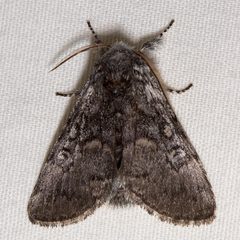
Colocasia propinquilinea, known as the close-banded yellowhorn, is a noctuid native to North America. It was first described by Augustus Radcliffe Grote in 1873. The exhibits latitudinal variation in voltinism, with one annually in northern and two or more in southern populations. are active in spring and summer, with timing shifting by latitude.
Pronunciation
How to pronounce Colocasia propinquilinea: /ˌkoʊ.loʊˈkeɪ.zi.ə ˌproʊˌpɪŋ.kwɪˈlɪ.neɪ.ə/
These audio files are automatically generated. While they are not always 100% accurate, they are a good starting point.
Identification
The can be distinguished from similar Colocasia species by the close, narrow banding pattern on the forewings that gives it the 'close-banded yellowhorn.' Hodges number 9185.
Images
Appearance
Wingspan 35–45 mm. Specific coloration and pattern details are not described in available sources.
Habitat
Associated with the southern edge of the forest and adjacent temperate regions. Specific microhabitat preferences are not documented.
Distribution
North America: Newfoundland and Labrador west across the southern forest edge to central Alberta, south to North Carolina, Missouri, and Arkansas. Canadian provincial records include Alberta, Manitoba, and Saskatchewan.
Seasonality
fly April–July in southern parts of range, May–August in northern parts. shifts approximately one month later moving northward.
Life Cycle
One per year in northern range; two or more generations per year in southern range. Larval stages and plants are not documented in available sources.
Similar Taxa
- Other Colocasia speciesShare -level characteristics; C. propinquilinea distinguished by close narrow forewing banding pattern and geographic range.
More Details
Voltinism
number varies clinally: in north, multivoltine in south. This pattern is consistent with accumulation and growing season length.
Nomenclature
Hodges number 9185 in the North American checklist system.