Sympistis lapponica
Thunberg, 1791
Sympistis lapponica is a small noctuid first described by Thunberg in 1791. It occurs across and arctic regions of the Northern Hemisphere, including Fennoscandia, northern Russia, Asia, and northern North America. The is notable for its two-year , first as an and again as a pupa.
Pronunciation
How to pronounce Sympistis lapponica: /sɪmˈpɪstɪs læpˈpoʊnɪkə/
These audio files are automatically generated. While they are not always 100% accurate, they are a good starting point.
Identification
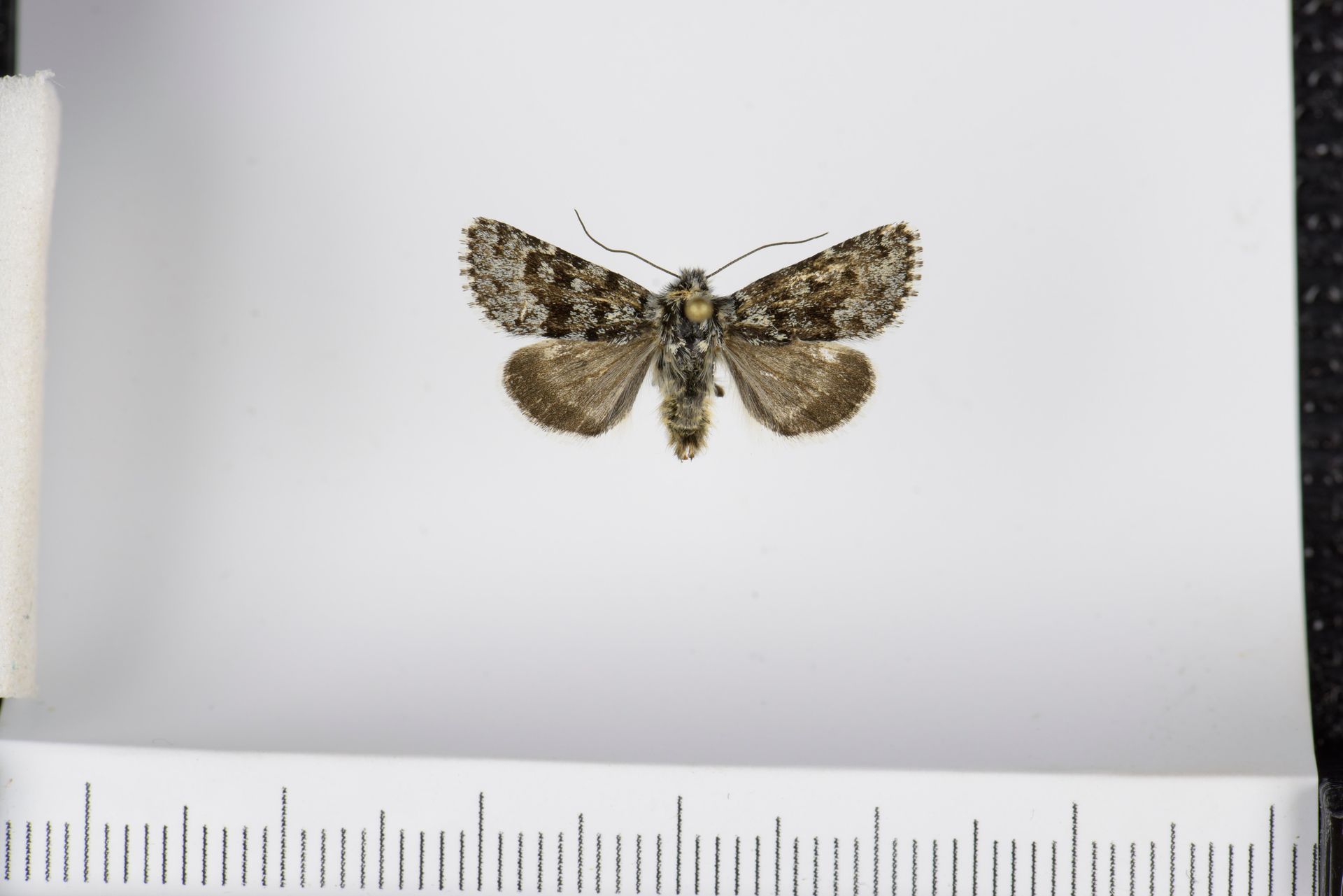
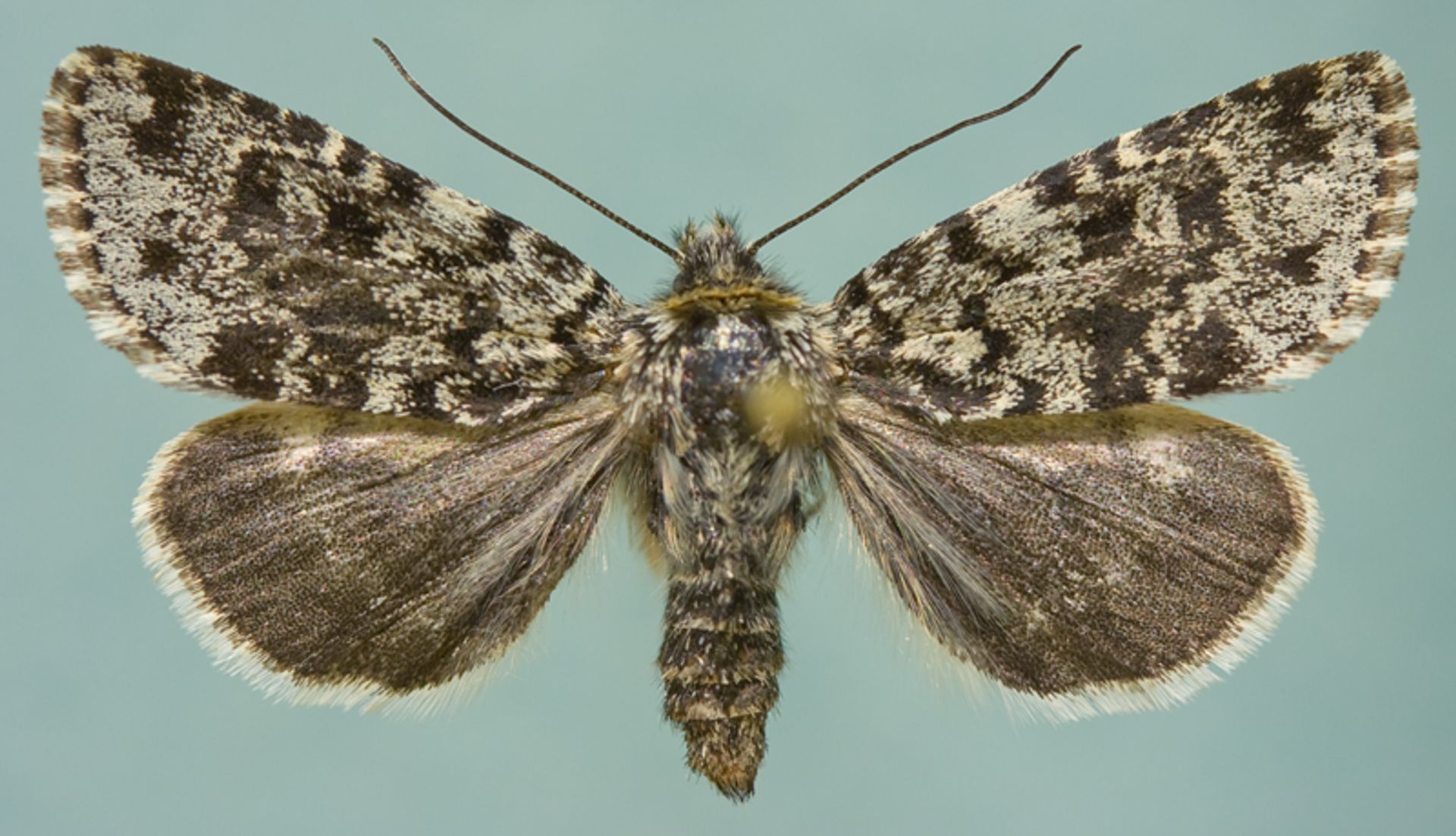
Distinguished from similar Sympistis by the combination of grey forewings with black markings, chequered forewing fringes, and the vague white line on grey hindwings with white fringes. The two-year with dual stages may aid in identification of stages in appropriate seasons.
Images
Appearance
Small with wingspan 23–36 mm. Forewings grey with black markings and chequered fringes. Hindwings grey with vague white line and white fringes.
Habitat
and arctic ; associated with plant including Vaccinium and Betula nana stands.
Distribution
Fennoscandia, northern Russia, Asia, and northern North America. GBIF records confirm presence in Norway and Sweden.
Seasonality
active June to July.
Diet
Larvae feed on Vaccinium (including Vaccinium myrtillus) and Betula nana.
Host Associations
- Vaccinium myrtillus - larval food plant
- Betula nana - larval food plant
- Vaccinium - larval food plant multiple Vaccinium utilized
Life Cycle
Two-year with two periods: first as an , then as a pupa.
Similar Taxa
- Other Sympistis speciesSimilar grey forewing coloration with black markings; S. lapponica distinguished by specific hindwing pattern with vague white line and white fringes, plus chequered forewing fringes
More Details
Taxonomic history
First described by Carl Peter Thunberg in 1791, making it one of the earlier described noctuid from northern regions.
Life cycle timing
The two-year with as both and pupa is unusual among noctuids and represents an to short growing seasons in arctic and environments.