
Sympistis cherti
Troubridge, 2008
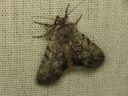
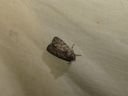
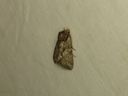
Sympistis cherti is a noctuid described by James T. Troubridge in 2008. It is a relatively recently described species with a restricted distribution in montane western North America. are active during mid-summer at moderate to high elevations. The species is known from very few observations.
Pronunciation
How to pronounce Sympistis cherti: /sɪmˈpɪstɪs ˈkɛrti/
These audio files are automatically generated. While they are not always 100% accurate, they are a good starting point.
Identification
The small to medium size (30–40 mm wingspan) and mid-summer period in montane western North America may help distinguish this from related Sympistis. However, specific diagnostic features separating it from are not documented in available literature. Identification likely requires genitalia examination or molecular analysis.
Images
Appearance
Wingspan 30–40 mm. Specific coloration and pattern details beyond wingspan are not documented in available sources.
Habitat
Montane environments at elevations of 2,400–6,300 feet (730–1,920 m). Specific vegetation or substrate associations are not documented.
Distribution
Western North America: south-central British Columbia southward through Nevada to California.
Seasonality
are on wing from mid-July to late August.
Similar Taxa
- Other Sympistis speciesSympistis is a large and taxonomically complex ; many require detailed examination to distinguish. S. cherti may be confused with other montane western Sympistis species sharing similar size and period.
More Details
Taxonomic recency
Described in 2008, making it one of the more recently recognized in the Sympistis. The specific epithet 'cherti' refers to chert, a hard sedimentary rock, though the reason for this naming is not documented in available sources.
Data scarcity
Only one observation is recorded in iNaturalist as of source date, indicating this is poorly known and likely rarely encountered or underreported.