
Lithophane georgii
Grote, 1875
George's pinion moth, Large Grey Pinion, green fruitworm
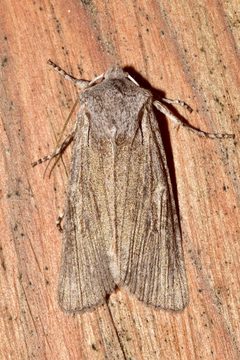
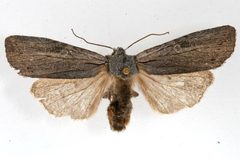
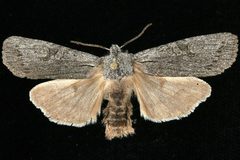
Lithophane georgii is a noctuid commonly known as George's pinion moth or the Large Grey Pinion. It belongs to the Lithophane, a group of pinion moths characterized by their robust bodies and cryptic coloration. The species was described by Augustus Radcliffe Grote in 1875. It is found across northern North America, with records from the Canadian prairie provinces and adjacent regions.
Pronunciation
How to pronounce Lithophane georgii: /ˌlaɪˈθoʊfeɪn ˈdʒɔrdʒi.aɪ/
These audio files are automatically generated. While they are not always 100% accurate, they are a good starting point.
Images
Distribution
Recorded from North America, specifically from the Canadian provinces of Alberta, Manitoba, and Saskatchewan. The likely occupies a broader range across northern North America based on distribution patterns, but verified records are limited to these locations.
Human Relevance
The "green fruitworm" suggests historical association with fruit damage, though specific economic impact has not been documented in available sources.
Similar Taxa
- Other Lithophane speciesMembers of Lithophane share similar robust body form and cryptic gray-brown forewing patterns, requiring examination of genitalia or detailed wing markings for definitive identification.
More Details
Taxonomic history
Described by Grote in 1875. Assigned MONA/Hodges number 9913 in the North American numbering system.
Nomenclature
The specific epithet 'georgii' likely honors an individual named George, though the etymology has not been definitively established in published sources.