Homoglaea
Morrison, 1876
Species Guides
5- Homoglaea californica
- Homoglaea carbonaria(cutworm moth)
- Homoglaea dives(cutworm moth)
- Homoglaea hircina(Goat Sallow)
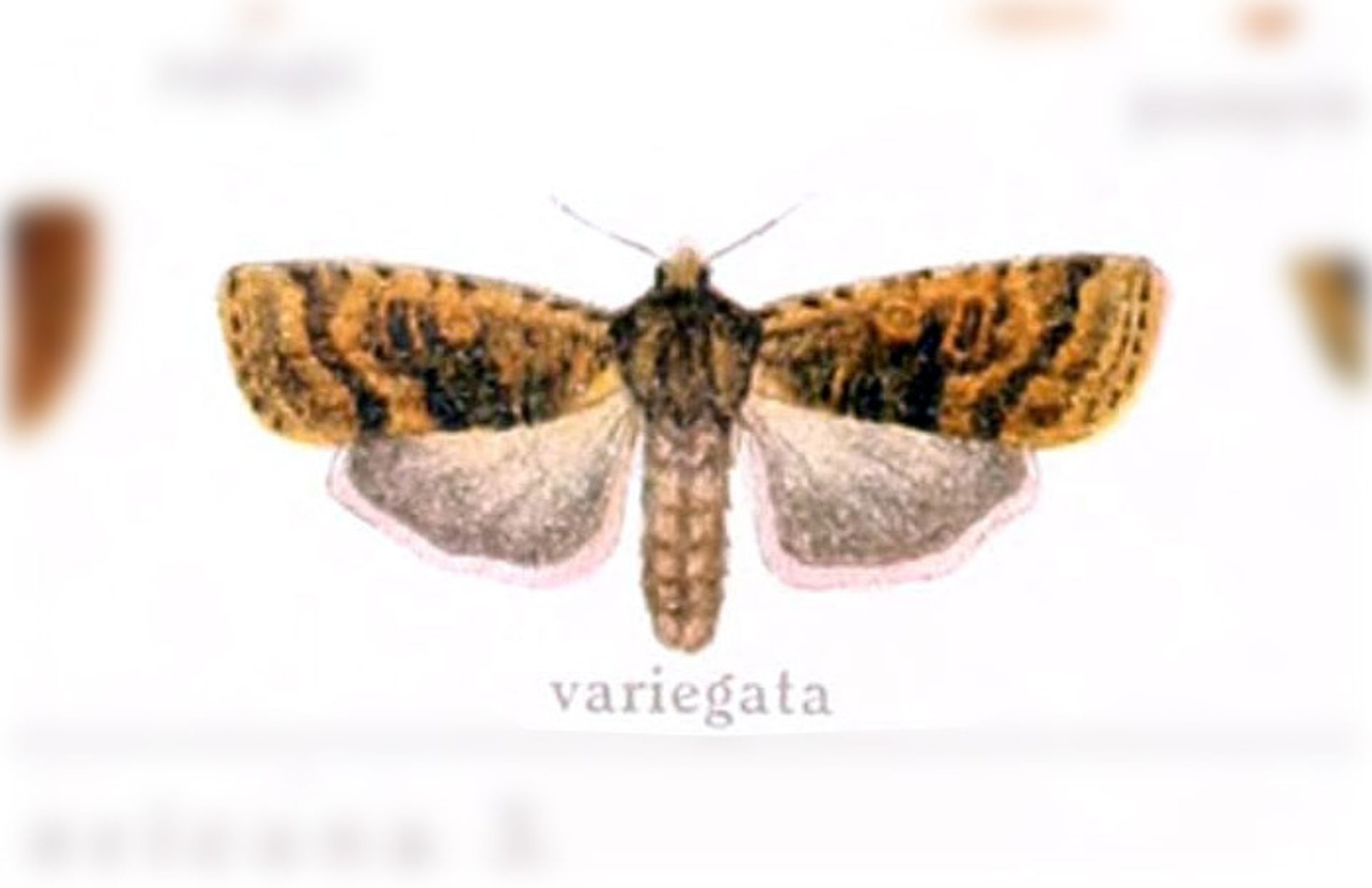
- Homoglaea variegata
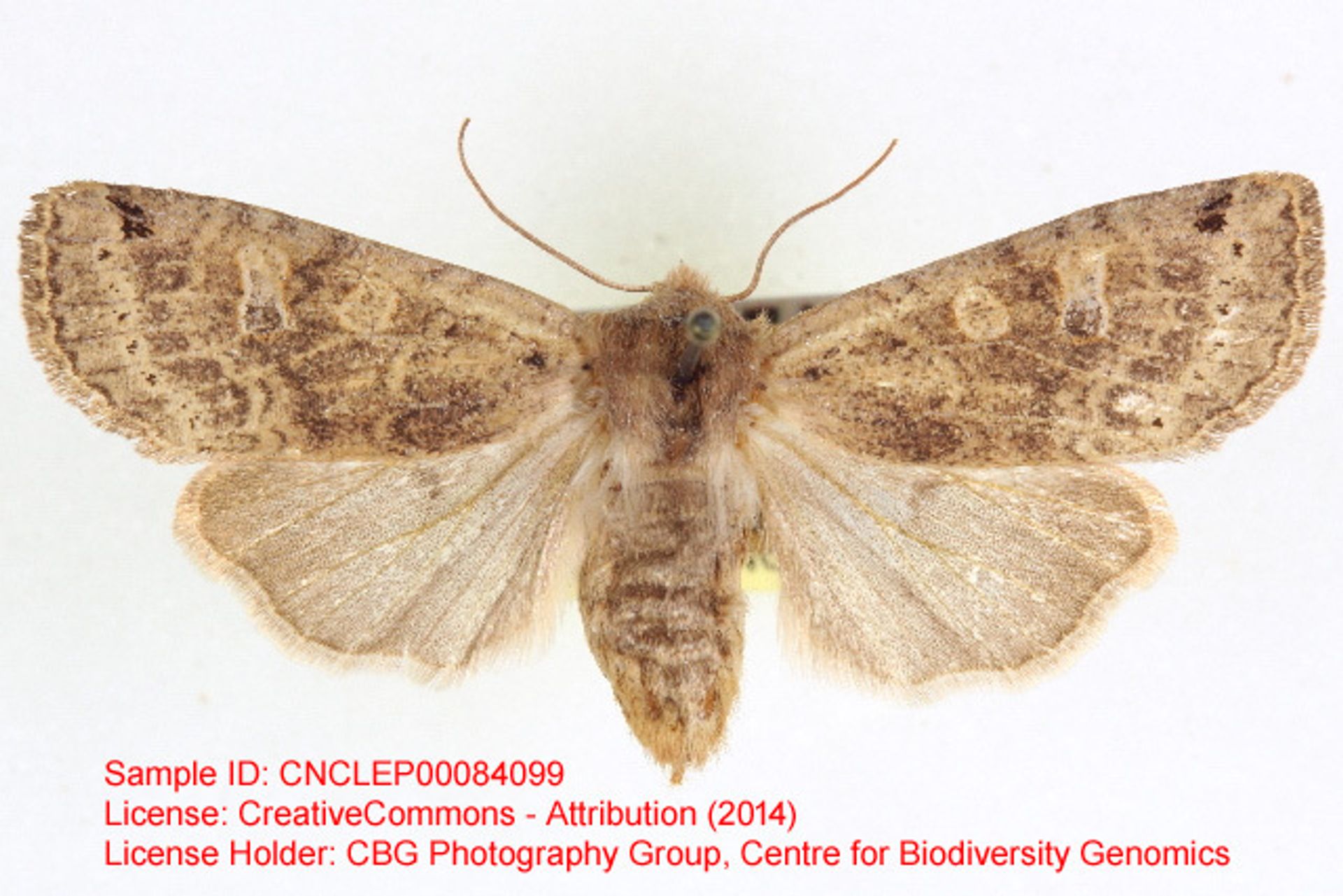
Homoglaea is a of owlet moths in the Noctuidae, Noctuinae, and tribe Xylenini. The genus was established by Morrison in 1876 and contains five described distributed in North America. Species include H. californica, H. carbonaria, H. dives, H. hircina, and H. variegata. These are part of the diverse Noctuidae family, one of the largest families of Lepidoptera.
Pronunciation
How to pronounce Homoglaea: /həmoʊˈɡliːə/
These audio files are automatically generated. While they are not always 100% accurate, they are a good starting point.
Images
Distribution
North America. Specific records include the United States, with Vermont documented as a location. The appears to have a transcontinental distribution based on epithets (californica, carbonaria, dives, hircina, variegata).
More Details
Species diversity
Five are currently recognized: Homoglaea californica (Smith, 1891), H. carbonaria (Harvey, 1876), H. dives (Smith, 1907), H. hircina (Morrison, 1876), and H. variegata (Barnes & McDunnough, 1918).
Taxonomic placement
Placed in subtribe Xylenina within tribe Xylenini, Noctuinae. This placement reflects morphological and molecular affinities with other Xylenini .
Observation frequency
The has been documented in at least 1,015 observations on iNaturalist, indicating moderate detectability by naturalists.