
Epiglaea decliva
(Grote, 1874)
Sloping Sallow, sloping sallow moth
Epiglaea decliva, known as the sloping sallow , is a noctuid moth native to North America. It occupies a range of wooded and semi-open across eastern and central regions of the continent. The overwinters as an , with larvae active in late spring to mid-summer. are medium-sized with a wingspan of 40–50 mm.
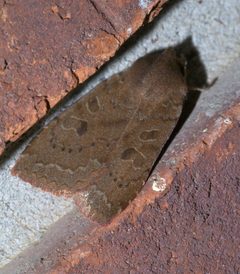
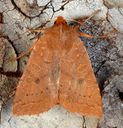
Pronunciation
How to pronounce Epiglaea decliva: /ˌɛpɪˈɡliːə dɪˈklɪvə/
These audio files are automatically generated. While they are not always 100% accurate, they are a good starting point.
Identification
The "sloping sallow" may refer to a characteristic wing pattern or posture, though specific diagnostic features are not detailed in available sources. The combination of size (40–50 mm wingspan), preference (barrens, thickets, woodlots, forests), and geographic range (eastern North America) may aid in identification.
Images
Appearance
Medium-sized with a wingspan of 40–50 mm. Specific coloration and pattern details are not documented in available sources.
Habitat
Barrens, thickets, woodlots, and forests. Occupies both semi-open and wooded environments.
Distribution
North America, recorded from Quebec and Maine south to South Carolina, west to Kansas, and north to Alberta. Additional records from Manitoba, Saskatchewan, and Vermont.
Seasonality
Larvae present from May to July. active in autumn (typical for related with , though specific adult period is not documented). Overwinters as egg.
Life Cycle
Overwinters as . Larval stage occurs from May to July. Pupal and stages are not documented in available sources.
Similar Taxa
- Other Epiglaea species share similar size, preferences, and geographic range. Specific distinguishing features for E. decliva are not documented.