
Brachylomia rectifascia
(Smith, 1891)
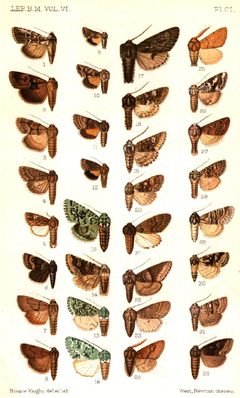
Brachylomia rectifascia is a noctuid first described by Smith in 1891. It occurs in western North America from British Columbia to central California, extending eastward to Colorado. The is active in late summer and has a wingspan of approximately 32 mm.
Pronunciation
How to pronounce Brachylomia rectifascia: /ˌbrækɪˈloʊmiə ˌrɛktɪˈfæʃiə/
These audio files are automatically generated. While they are not always 100% accurate, they are a good starting point.
Identification
The specific epithet "rectifascia" (straight band) may refer to a forewing marking, but diagnostic features distinguishing this from are not documented in available sources.
Images
Distribution
Western North America: British Columbia to central California, east to Colorado.
Seasonality
fly from August to September, with timing varying by location.
Diet
Larvae feed on leaves of various flowering trees and shrubs. feeding habits not documented.
Life Cycle
Complete with , larval, pupal, and stages. Specific details on egg or pupal stages not documented.
More Details
Taxonomic History
Originally described as Dryobota rectifascia Smith, 1891; later transferred to Brachylomia.