
Andropolia diversilineata
Grote, 1877
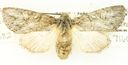
Andropolia diversilineata is a noctuid described by Augustus Radcliffe Grote in 1877. It occurs in western North America from British Columbia to California. The has a wingspan of approximately 44 mm. are active in late summer, and larvae feed on Purshia tridentata.
Pronunciation
How to pronounce Andropolia diversilineata: //ændroʊˈpoʊliə daɪˌvɜrsɪlɪˈneɪətə//
These audio files are automatically generated. While they are not always 100% accurate, they are a good starting point.
Identification
No specific diagnostic features documented for distinguishing this from . The species epithet 'diversilineata' (diverse lines) may refer to wing pattern elements, but this is not confirmed in available sources.
Images
Appearance
Wingspan approximately 44 mm. Specific coloration and pattern details not documented in available sources.
Habitat
Associated with supporting its larval plant, Purshia tridentata (antelope bitterbrush), which grows in dry, open areas including sagebrush steppe and ponderosa pine woodlands in western North America.
Distribution
Western North America: British Columbia south to California.
Seasonality
on wing in late summer.
Diet
Larvae feed on Purshia tridentata (antelope bitterbrush). feeding habits not documented.
Host Associations
- Purshia tridentata - larval plantantelope bitterbrush
Life Cycle
Complete with larval stage feeding on plant. Specific details of , pupal, and longevity not documented.
Behavior
attracted to light. No other specific documented.
Ecological Role
Larval herbivore on Purshia tridentata. Specific ecological functions (pollination, prey base, etc.) not documented.
Similar Taxa
- Andropolia theodoriCongeneric in same , also occurs in western North America and attracted to light; requires examination of genitalia or wing pattern details for separation
More Details
Nomenclatural history
Originally described as Hadena diversilineata by Grote in 1877; later transferred to Andropolia.