
Nephelodes minians
Guenée, 1852
Bronzed Cutworm Moth, Shaded Umber Moth
Nephelodes minians is a noctuid commonly known as the Bronzed Moth or Shaded Umber Moth. The is widely distributed across North America, with active from mid-summer through autumn. Larvae are recognized agricultural pests that feed on grasses and cereal crops.
Pronunciation
How to pronounce Nephelodes minians: /nɛfəˈloʊdiːz ˈmɪniənz/
These audio files are automatically generated. While they are not always 100% accurate, they are a good starting point.
Identification
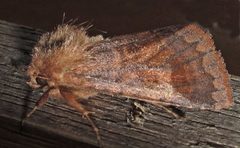
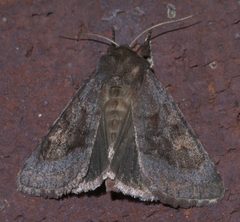
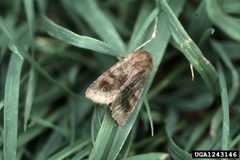
The bronzed-brown forewings with darker shading and moderate size distinguish this from similar noctuids. The period (July–October) and geographic distribution (absent from Florida and adjacent southeastern states) provide additional diagnostic context. Larvae can be recognized by their habit and association with grasses and cereal crops.
Images
Appearance
have a wingspan of approximately 40 mm. The forewings are bronzed-brown with darker shading, giving rise to the 'Shaded Umber '. The overall coloration provides cryptic camouflage against bark and dead leaf litter.
Habitat
Occupies open including grasslands, agricultural fields, and disturbed areas where grasses grow. are and may be found resting on vegetation or attracted to light sources.
Distribution
Present throughout most of North America north of Florida and adjacent southeastern states. Documented from Canadian provinces including Alberta, Manitoba, and Saskatchewan, and throughout the United States except the deep Southeast.
Seasonality
fly from July to October, with exact timing varying by latitude and local climate. This extended period suggests either multiple or substantial phenotypic plasticity in timing.
Diet
Larvae feed on various grasses, including cereal crops and corn. Specific feeding habits are not documented.
Host Associations
- Zea mays - larval food plantcorn
- Poaceae - larval food plantvarious grasses including cereal crops
Life Cycle
Complete with , larva, pupa, and stages. Larvae are cutworms, feeding at or below ground level. Specific details of site and stage are not documented.
Behavior
are and attracted to light. Larvae exhibit typical , cutting stems of grasses and seedlings at or near ground level.
Ecological Role
Larvae function as herbivores in grassland and agricultural . As a crop pest, the can reach economically damaging levels in cereal and corn fields.
Human Relevance
Recognized agricultural pest of cereal crops and corn. Larval feeding can cause significant economic damage to seedlings and established plants.
Similar Taxa
- Other Noctuinae cutwormsSimilar size, coloration, and larval habits; distinguished by wing pattern details, geographic distribution, and specific associations
More Details
Subspecies
Three are recognized: N. m. minians, N. m. tertialis, and N. m. pectinata. The geographic ranges and distinguishing features of these subspecies are not well documented in available sources.