Euplexia benesimilis
McDunnough, 1922
American Angle Shades, American Angle Shade
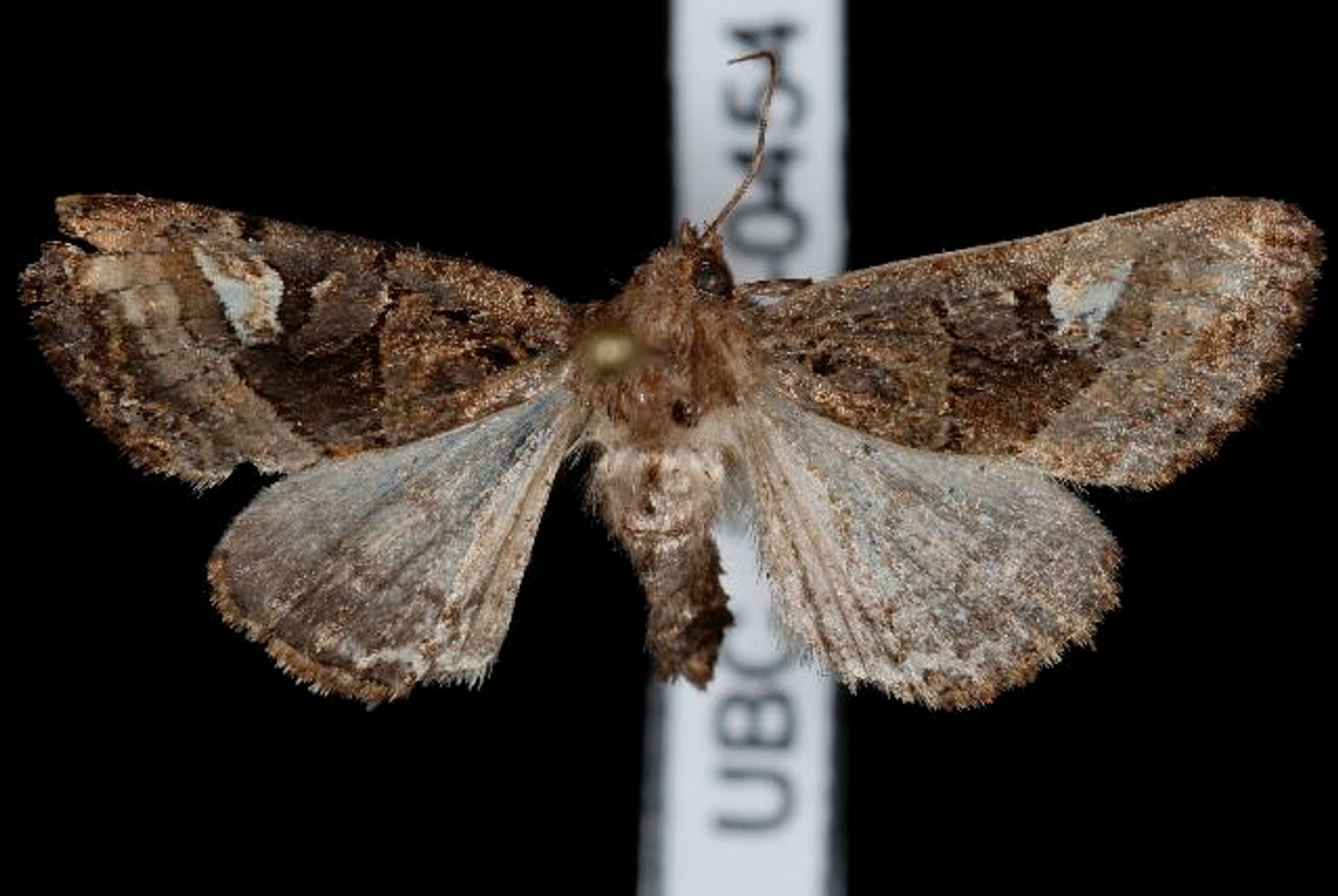
Euplexia benesimilis, commonly known as the American Angle Shades, is a noctuid described by James Halliday McDunnough in 1922. It belongs to the or dart moth group within the Noctuidae. The species is recognized by its MONA/Hodges number 9545 and is documented across North America with substantial observation records.


Pronunciation
How to pronounce Euplexia benesimilis: //juːˈplɛksiə ˌbɛnɪˈsɪmɪlɪs//
These audio files are automatically generated. While they are not always 100% accurate, they are a good starting point.
Identification
The specific epithet "benesimilis" (meaning "well-similar") suggests close resemblance to related , likely including the European Euplexia lucipara (Small Angle Shades). Distinguishing features from require examination of genitalia or detailed wing pattern analysis; show the characteristic angled wing posture of the Euplexia when at rest.
Images
Distribution
Documented across North America including Canadian provinces (Alberta, Manitoba, Saskatchewan) and the United States (Vermont). GBIF records confirm presence in these regions.
Similar Taxa
- Euplexia luciparaThe specific epithet "benesimilis" indicates morphological similarity; both share the angled wing resting posture characteristic of the , requiring careful examination to distinguish.
- Other Euplexia speciesMembers of this share general wing shape and pattern elements; -level identification often requires dissection and comparison of genitalia.
More Details
Taxonomic Authority
Described by Canadian entomologist James Halliday McDunnough in 1922, a prominent figure in North American lepidopterology.
Observation Documentation
Over 4,000 observations recorded on iNaturalist, indicating this is a relatively well-documented among North American noctuids.