Euplexia
Stephens, 1829
Species Guides
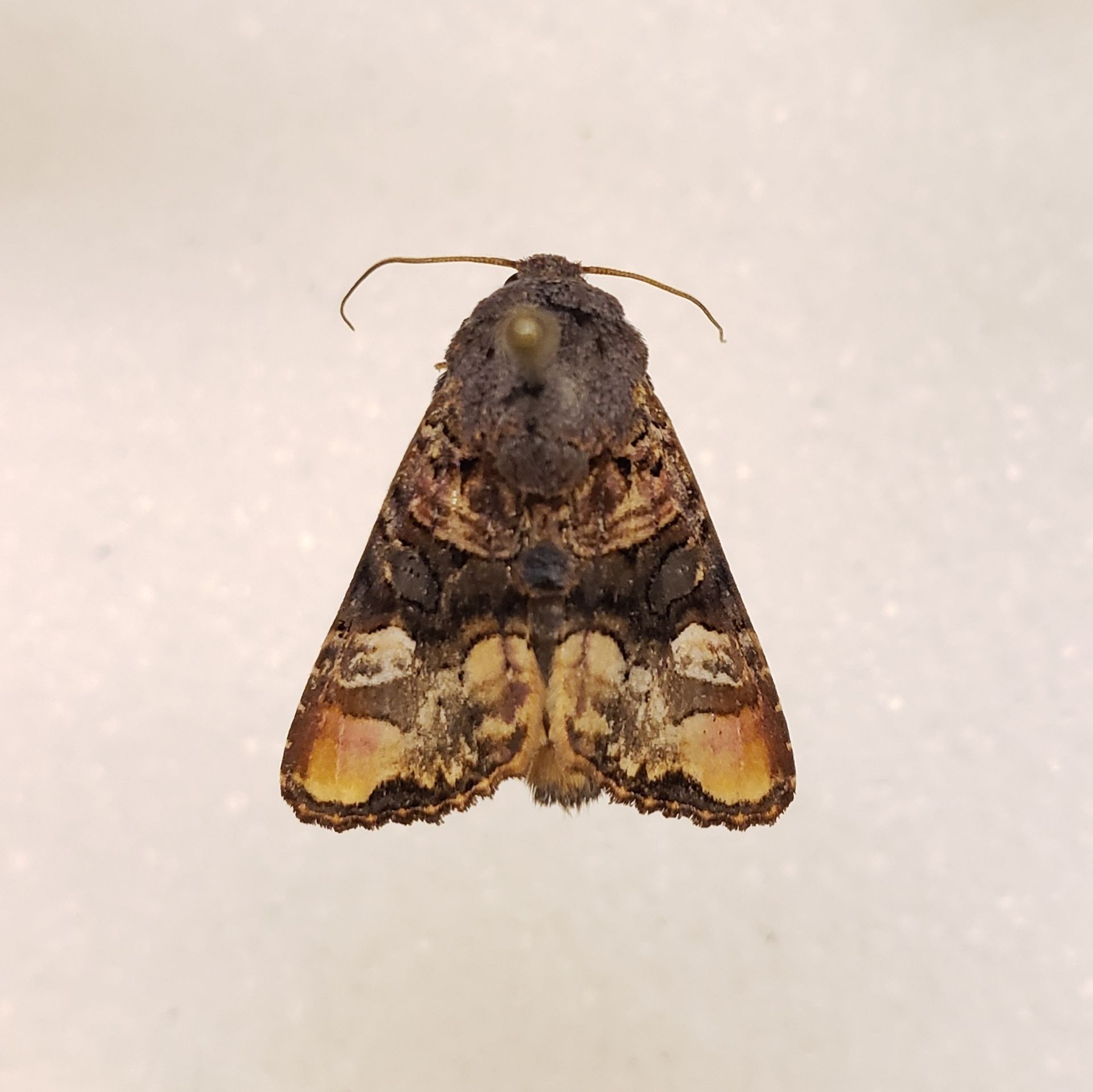
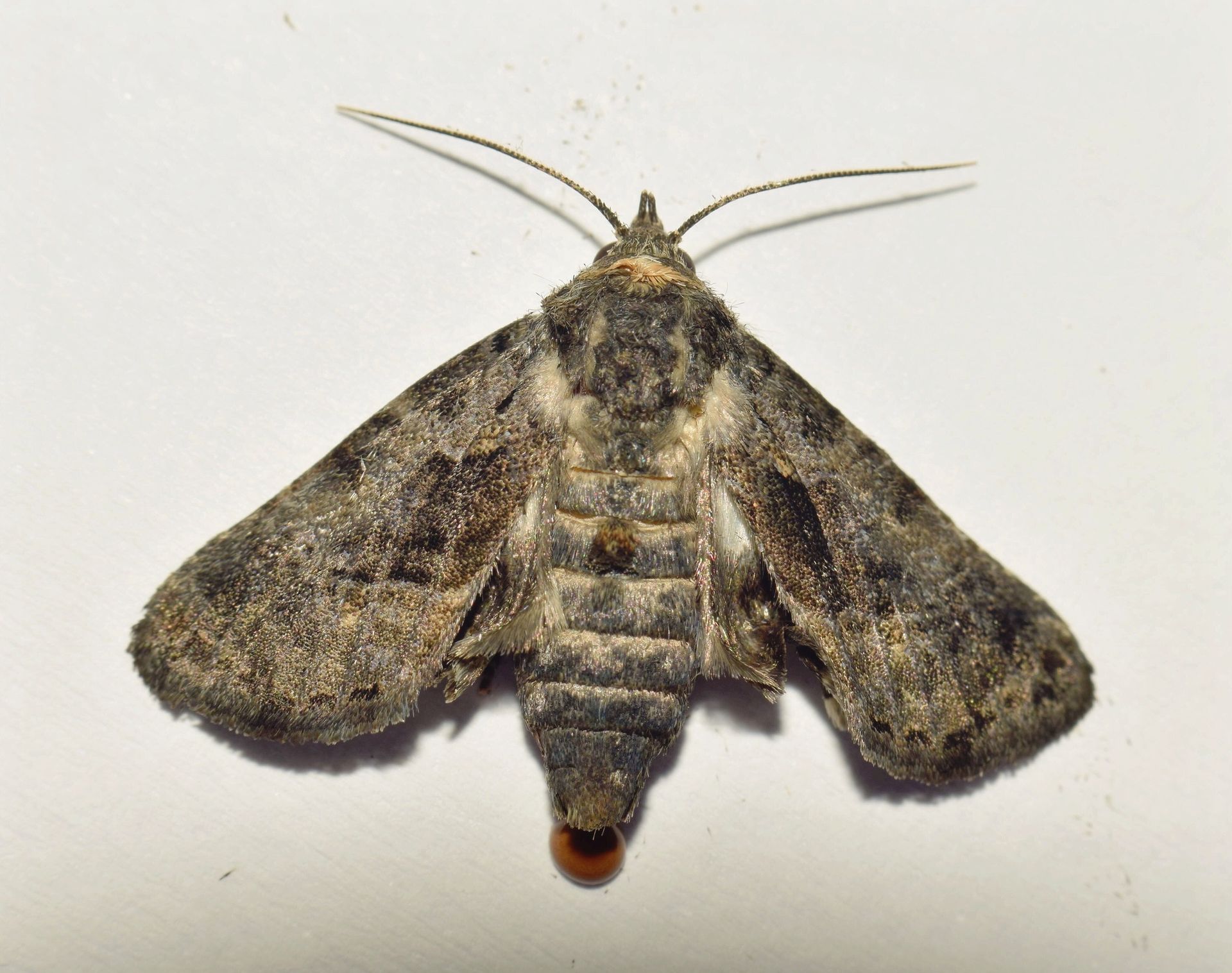
2- Euplexia benesimilis(American Angle Shades)
- Euplexia triplaga(cutworm moth)
Euplexia is a of in the Noctuidae, established by James Francis Stephens in 1829. The genus is characterized by specific morphological features including naked , well-developed , upturned palpi with a prominent third joint, and forewings with crenulate cilia. At least one , Euplexia lucipara (Small Angle Shades), has been subject to genomic study, revealing a 661.8 Mb with 20,395 protein-coding genes.
Pronunciation
How to pronounce Euplexia: /juːˈplɛksiə/
These audio files are automatically generated. While they are not always 100% accurate, they are a good starting point.
Identification
Distinguished from similar noctuid by the combination of naked , prominent third palpal joint, paired thoracic tufts on , abdominal tufts on segments, spineless tibia, and crenulate forewing cilia. The upturned palpi with second joint not reaching the vertex of the is a particularly distinctive feature.
Images
Appearance
naked, with or without eyelashes. well developed. Palpi upturned, with second joint not reaching vertex of and fringed with hair; third joint prominent. with slight tuft of outspreading hair behind collar and paired tufts on . with tufts on segments. Tibia spineless. Forewings with crenulate cilia.
Habitat
vary by ; Euplexia lucipara occurs across a variety of habitats in Britain and Ireland.
Distribution
Records from Denmark, Norway, Sweden, Vermont (USA), and additional United States locations. Euplexia lucipara specifically ranges across temperate Europe and Asia to Japan.
Diet
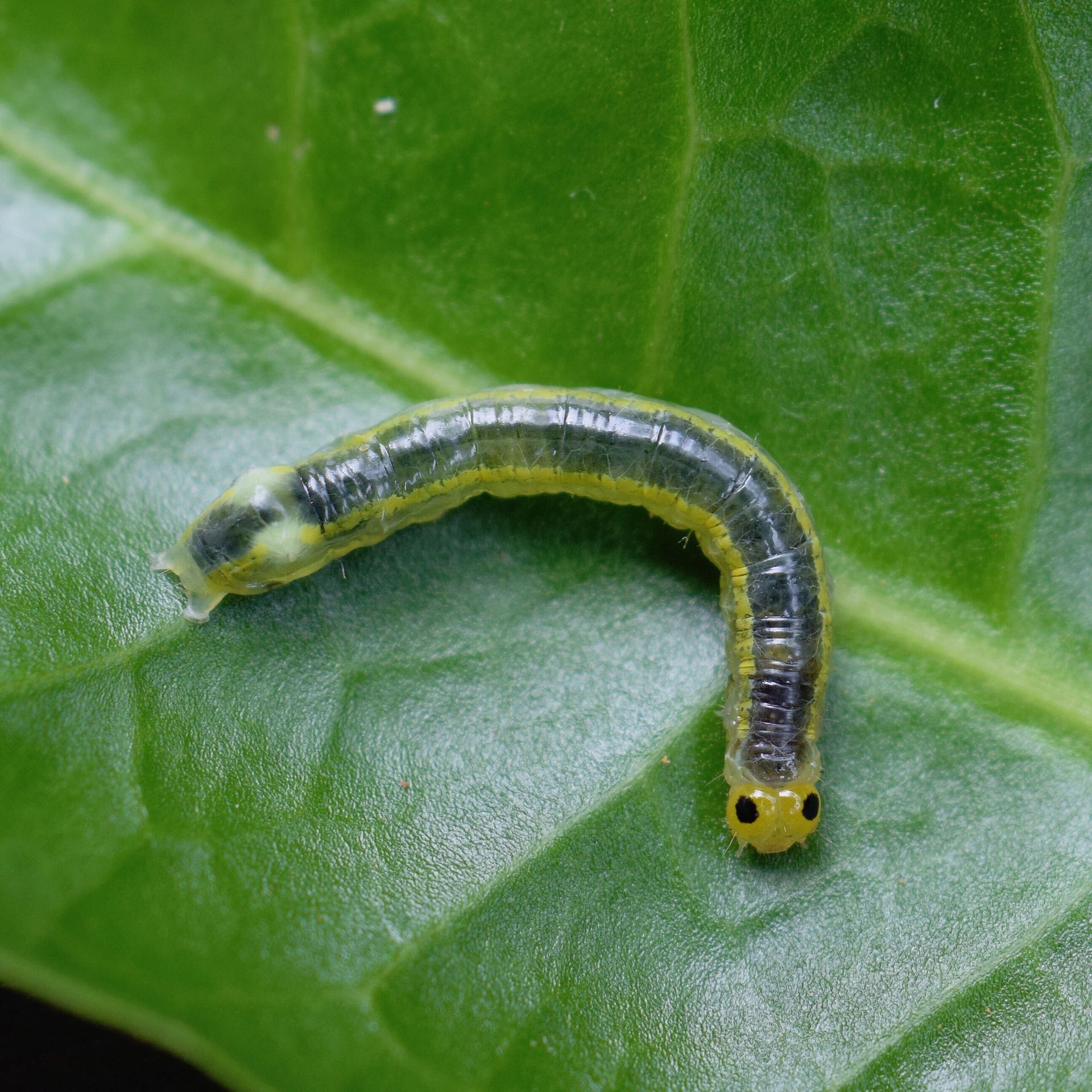
Larval diet known for Euplexia lucipara: bracken (Pteridium aquilinum) and other ferns, plus a wide variety of angiosperms. Diet for other in the is not clearly documented.
Life Cycle
Euplexia lucipara has a single in the UK, over-wintering as a pupa. details for other are not documented.
Behavior
Euplexia lucipara exhibits a distinct resting posture with folded forewings that resemble a dead leaf. Behavioral details for other are not documented.
Similar Taxa
- Other Noctuinae generaSimilar general body plan and wing shape, but distinguished by the specific combination of palpal structure, thoracic and abdominal tufting, and crenulate forewing cilia characteristic of Euplexia.
More Details
Genomic data
Euplexia lucipara has a chromosomally complete assembly of 661.8 Mb, with 31 chromosomal pseudomolecules (30 + Z ), mitochondrial genome of 15.37 kb, and 20,395 protein-coding genes. Specimen sequenced from Wytham Woods, Oxfordshire, UK.