
Morrisonia confusa
(Hübner, 1831)
Confused Woodgrain Moth, confused woodgrain
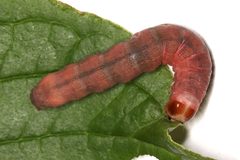
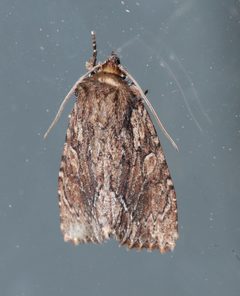
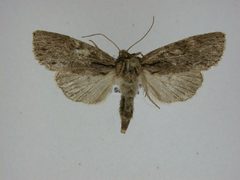
Morrisonia confusa is a noctuid known as the confused woodgrain, found across eastern North America. are active in spring, with periods varying by latitude from April to June. The is recognized by its moderate size and cryptic coloration. Larvae feed on a documented range of deciduous trees.
Pronunciation
How to pronounce Morrisonia confusa: //mɔːˈrɪsiːə kənˈfjuːsə//
These audio files are automatically generated. While they are not always 100% accurate, they are a good starting point.
Identification
Distinguished from similar noctuid by specific wing pattern details and geographic range. The 'confused woodgrain' references its similarity to related in the Morrisonia . Precise identification may require examination of genitalia or molecular markers.
Images
Appearance
Wingspan approximately 35 mm. Forewings display mottled brown and gray patterning typical of woodgrain , providing camouflage against bark surfaces. Overall coloration is cryptic, blending with tree trunks.
Habitat
Deciduous forest supporting larval trees. Associated with wooded areas containing basswood, birch, oak, poplar, and cherry.
Distribution
Eastern North America from Florida northward to Nova Scotia, New Brunswick, Quebec, and Ontario.
Seasonality
fly from April to June, with exact timing dependent on location and latitude.
Diet
Larvae feed on leaves of various deciduous trees: basswood (Tilia), birch (Betula), ironwood (Ostrya), oak (Quercus), poplar (Populus), sweet gale (Myrica), and wild black cherry (Prunus serotina). feeding habits not documented.
Host Associations
- Tilia - larval food plantbasswood
- Betula - larval food plantbirch
- Ostrya - larval food plantironwood
- Quercus - larval food plantoak
- Populus - larval food plantpoplar
- Myrica - larval food plantsweet gale
- Prunus serotina - larval food plantwild black cherry
Life Cycle
Complete with , larva, pupa, and stages. Larval stage feeds on foliage. likely occurs in soil or leaf litter, though specific details are not documented. Adults emerge in spring.
Ecological Role
Larval herbivore in deciduous forest . Contributes to nutrient cycling through leaf consumption and serves as prey for and .
Similar Taxa
- Other Morrisonia speciesSimilar wing pattern and 'woodgrain' shared among ; requires careful examination for separation.
- General noctuid moths with cryptic brown colorationSuperficial resemblance in resting posture and bark-mimicking coloration; size and specific pattern details differ.
Sources and further reading
- BugGuide
- Wikipedia
- GBIF taxonomy match
- iNaturalist taxon
- NCBI Taxonomy
- UC Davis-Based Projects: To Bee or Not to Bee? | Bug Squad
- Diversity of Bugs at Bohart Museum of Entomology | Bug Squad
- ZooKeys with 5 of the Top 10 Marine Species | Blog
- Interview: description of two African shovel-snout snakes from Angola
- Year of the Snake: a serpent selection to celebrate Lunar New Year!