
Rhyacia quadrangula
Zetterstedt, 1839
Quadrangle Dart
Rhyacia quadrangula, commonly known as the Quadrangle Dart, is a noctuid with a transcontinental distribution spanning the Arctic and regions of Eurasia and North America. The exhibits a disjunct range, occurring in Iceland, Greenland, central Asia including the Pamir Mountains, and across northern Canada and the northwestern United States. are active during late summer, with records from July through September.
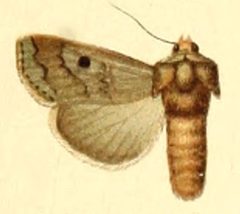
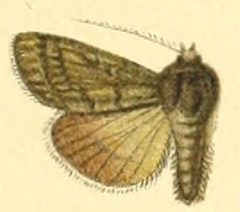
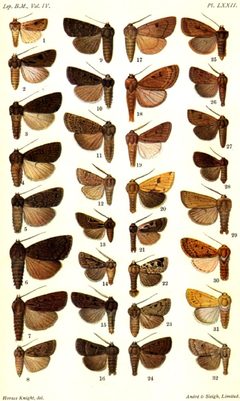
Pronunciation
How to pronounce Rhyacia quadrangula: /raɪˈeɪsiə kwɒˈdræŋɡjʊlə/
These audio files are automatically generated. While they are not always 100% accurate, they are a good starting point.
Identification
The can be distinguished by its specific wing measurements (36–38 mm wingspan) and geographic distribution pattern. Definitive identification likely requires examination of genitalic structures or molecular analysis, as is typical for many noctuid species with similar external .
Images
Appearance
have a wingspan of 36–38 mm. Specific details of wing pattern and coloration are not documented in available sources.
Habitat
Specific associations are not documented. Based on its distribution, the likely occupies open tundra, forest edges, and subarctic grassland habitats.
Distribution
Disjunct transarctic and distribution: Iceland, Greenland, central Asia (including Pamir Mountains), northern Canada (Quebec, Northwest Territories, Manitoba, Nova Scotia, Newfoundland and Labrador), and northwestern United States.
Seasonality
are on wing from July to September, with peak activity during late summer.
Diet
Larvae feed on Gramineae (grasses). feeding habits are not documented.
Host Associations
- Gramineae - larval food plantgrass
Life Cycle
Complete with documented larval and stages. Specific details of , pupal, and stages are not available.
Ecological Role
As a grass-feeding noctuid, larvae likely function as primary consumers in tundra and grassland . may serve as prey for including bats and birds.
Similar Taxa
- Other Rhyacia speciesSimilar external ; differentiation requires detailed examination of genitalia or geographic context
- Noctuinae with 36–38 mm wingspanSize overlap with many noctuids; identification requires additional diagnostic characters