
Hemipachnobia monochromatea
Morrison, 1874
Sundew Cutworm Moth, Sundew Dart
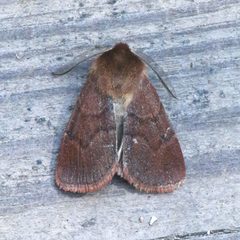
A small to medium-sized noctuid found in wetland across northern North America. The references an association with sundew plants (Drosera), though the nature of this relationship remains unclear. are active in late summer and early autumn. The is among the more obscure members of the cutworm moth group, with limited biological documentation.
Pronunciation
How to pronounce Hemipachnobia monochromatea: /ˌhɛmɪpækˈnoʊbiə ˌmɒnəkrəˈmeɪtiə/
These audio files are automatically generated. While they are not always 100% accurate, they are a good starting point.
Identification
May be distinguished from similar noctuids by its association with bog and fen , though specific diagnostic characters are not well documented in accessible literature. The Hemipachnobia is small and poorly studied; -level identification typically requires genital dissection or expert examination.
Images
Habitat
Bogs, fens, and other acidic wetland environments where sundews (Drosera) occur.
Distribution
North America: recorded from Alberta, Manitoba, and Saskatchewan in Canada, and Vermont in the United States. Distribution likely broader across northern and hemiboreal regions but undersampled.
Seasonality
have been observed in late summer and early autumn (August–September).
Host Associations
- Drosera - association suggests ecological link to sundews, though whether this represents larval feeding, nectar-seeking, or incidental co-occurrence in is undocumented.
Similar Taxa
- Other NoctuinaeNumerous small, drab noctuid share general appearance; specificity and geographic range are primary distinguishing features.
More Details
Taxonomic history
Originally described as Agrotis monochromatea by Morrison in 1874 before transfer to Hemipachnobia. The contains few and has been subject to limited modern revision.
Data deficiency
Despite 166 iNaturalist observations, published biological information is sparse. Most records are sightings; stages and detailed natural history remain undocumented.