Cerastis tenebrifera
Walker, 1865
Reddish Speckled Dart
Cerastis tenebrifera, commonly known as the reddish speckled dart, is a noctuid distributed across eastern and central North America. The is , with active in spring. Larvae have been documented feeding on a diverse range of plants across multiple .
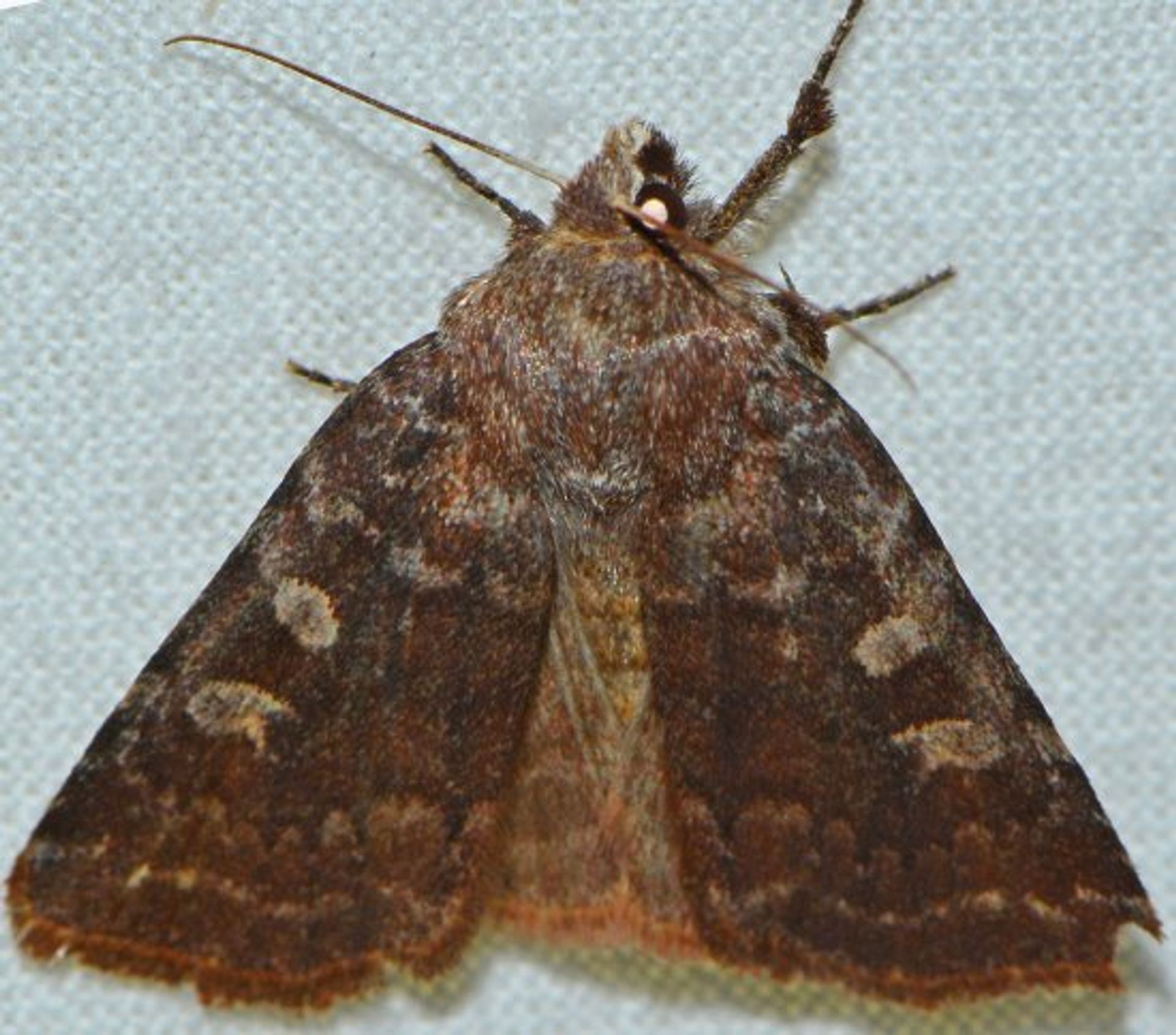
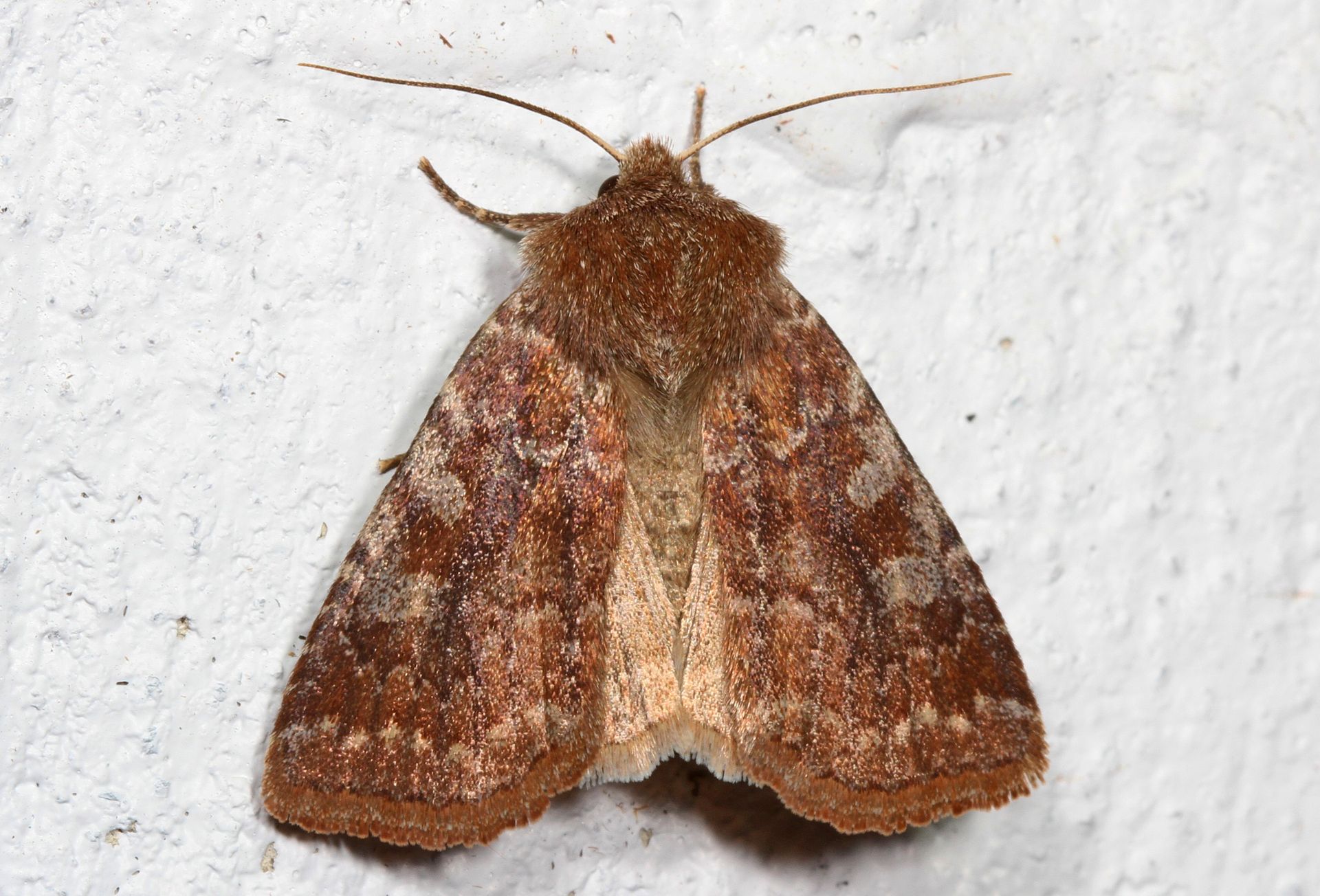
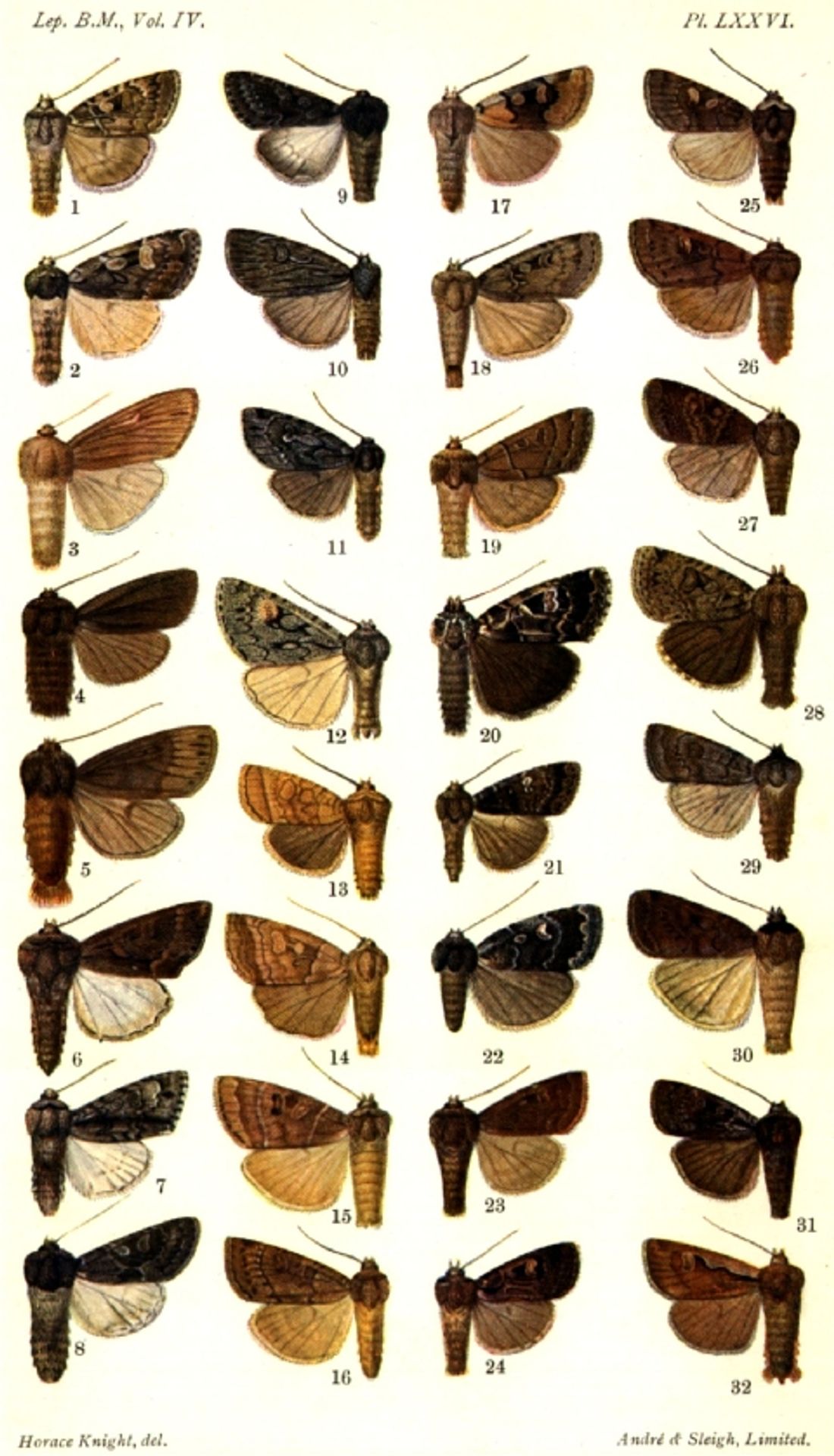
Pronunciation
How to pronounce Cerastis tenebrifera: //ˈsɛr.ɐst.ɪs ˌtɛn.əˈbɹɪ.fɛ.rə//
These audio files are automatically generated. While they are not always 100% accurate, they are a good starting point.
Identification
The combination of reddish speckling on grayish-brown forewings, spring period (March–June), and size range of 30–40 mm separates this from other Cerastis species. Similar species in the may differ in forewing pattern intensity and precise timing of .
Images
Appearance
Wingspan 30–40 mm. Forewings grayish-brown with reddish speckling and mottled patterning. Hindwings pale gray to whitish with darker terminal line.
Habitat
Open including fields, forest edges, and disturbed areas where larval plants occur.
Distribution
Eastern and central North America: Newfoundland to South Carolina, west to Texas, north to Nebraska and southern Ontario.
Seasonality
active March to June; with single spring .
Diet
Larvae have been reared on: Lactuca (lettuce), Vitis (grape), Taraxacum officinale (common dandelion), Rubus idaeus (red raspberry), Salix petiolaris (slender willow), Prunus virginiana (chokecherry), Betula papyrifera (paper birch), and Vaccinium myrtilloides (velvetleaf blueberry). feeding habits not documented.
Host Associations
- Lactuca - larval food plant
- Vitis - larval food plant
- Taraxacum officinale - larval food plant
- Rubus idaeus - larval food plant
- Salix petiolaris - larval food plant
- Prunus virginiana - larval food plant
- Betula papyrifera - larval food plant
- Vaccinium myrtilloides - larval food plant
Life Cycle
Complete with , larva, pupa, and stages. Single per year with adults emerging in spring. Larval development occurs through spring and summer, with and in soil or leaf litter.
Ecological Role
Larva functions as herbivore feeding on diverse dicotyledonous plants. likely serves as prey for including bats and birds.
Similar Taxa
- Other Cerastis speciesSimilar size and general appearance, but differ in forewing pattern details and may have different periods.
More Details
Host Plant Breadth
The documented larval range spans eight plant in seven (Asteraceae, Betulaceae, Ericaceae, Rosaceae, Salicaceae, Vitaceae), indicating broad polyphagy uncommon among some noctuid larvae.