Abagrotis orbis
Grote, 1876
well-marked cutworm, Barnes' climbing cutworm
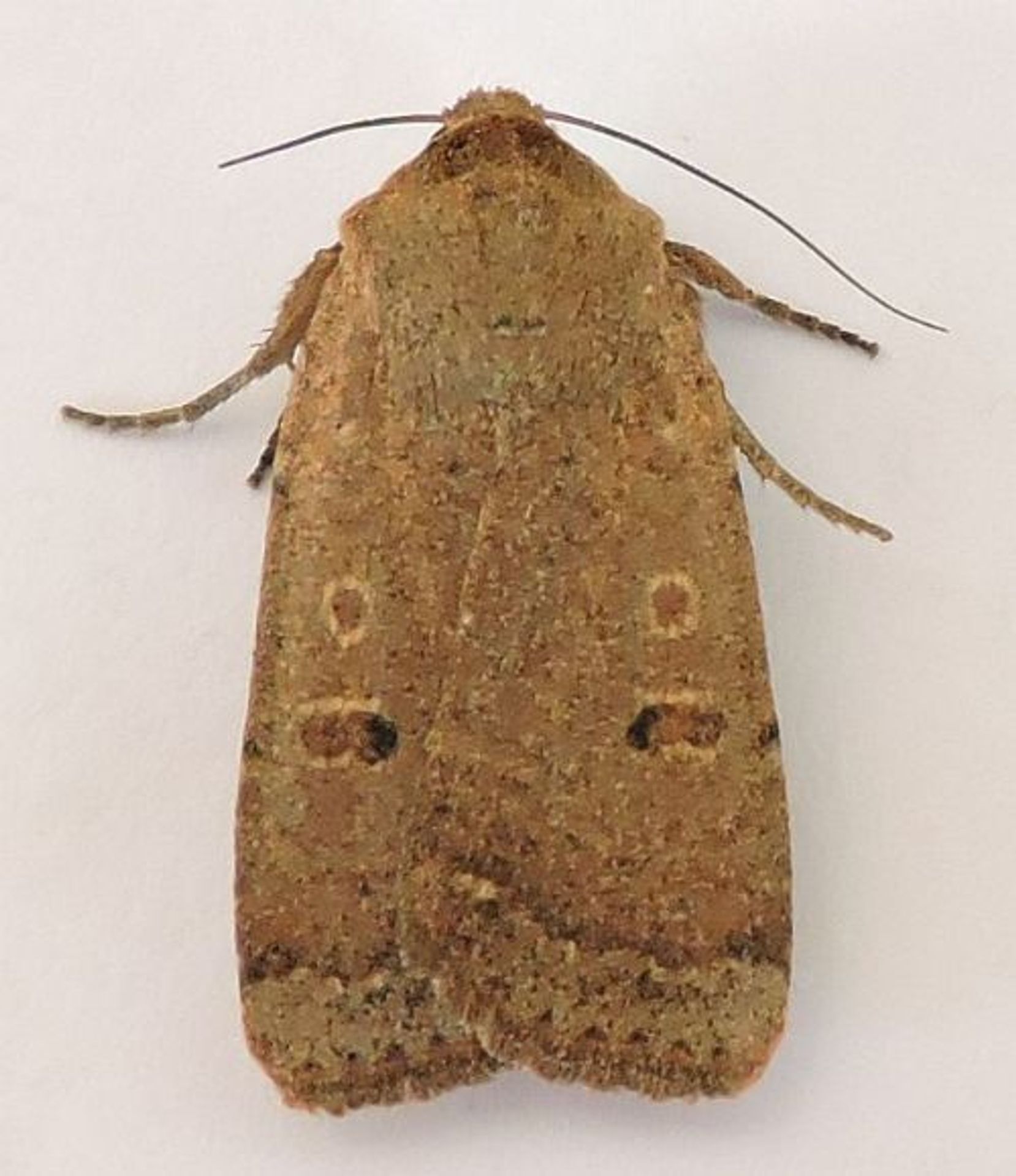
Abagrotis orbis is a noctuid commonly known as the well-marked or Barnes' climbing cutworm. First described by Grote in 1876, this occurs across southwestern North America with a notable disjunct in the southern Great Lakes dune . are active in late summer, and larvae are recognized as orchard pests that feed on flowers of fruit trees.

Pronunciation
How to pronounce Abagrotis orbis: /əˈbæɡrəˌtɪs ˈɔrbɪs/
These audio files are automatically generated. While they are not always 100% accurate, they are a good starting point.
Identification
Distinguished from similar Abagrotis by the well-marked pattern on the forewings. The specific epithet "orbis" (Latin for circle or orb) may refer to a circular marking, though this requires confirmation from original description.
Images
Appearance
Wingspan 35–40 mm. Forewings with distinct patterning that gives the its "well-marked."
Habitat
Occurs in diverse including southwestern North American plains and dune habitats in the southern Great Lakes area. Western Canadian are restricted to the southern interior of British Columbia and southern Alberta and Saskatchewan.
Distribution
Southwestern North America, extending eastward across the plains. Large disjunct in dune of the southern Great Lakes area. Western Canada: southern interior of British Columbia, southern Alberta and Saskatchewan. Distribution records also indicate presence in Manitoba.
Seasonality
active August to September in Alberta; single per year.
Diet
Larvae feed on flowers of fruit trees. Recorded plants include Malus sylvestris (apple), Prunus persica (peach), Prunus serotina (black cherry), Acer negundo (box elder), and Vitis sp. (grape).
Host Associations
- Malus sylvestris - larval food plantapple
- Prunus persica - larval food plantpeach
- Prunus serotina - larval food plantblack cherry
- Acer negundo - larval food plantbox elder
- Vitis sp. - larval food plantgrape
Life Cycle
(one per year). Larval stage feeds on flowers of plants. and timing varies by region; adults emerge August–September in Alberta.
Ecological Role
Larvae function as herbivores on woody plants, particularly fruit trees. Considered a pest in orchard .
Human Relevance
Recognized as an agricultural pest in orchards due to larval feeding damage on flowers of fruit trees including apple, peach, and cherry.
Similar Taxa
- Other Abagrotis speciesSimilar general ; distinguished by forewing pattern markings
More Details
Nomenclature
The was first described by Augustus Radcliffe Grote in 1876. The "Barnes' climbing " honors an entomologist, though the specific reference requires verification.
Disjunct Distribution
The large disjunct in the southern Great Lakes dune is geographically separated from the main southwestern range, suggesting potential historical or ecological factors maintaining this isolated population.