
Anicla infecta
Ochsenheimer, 1816
Green Cutworm Moth, Green Cutworm
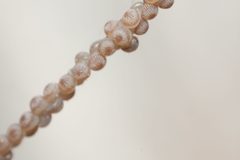
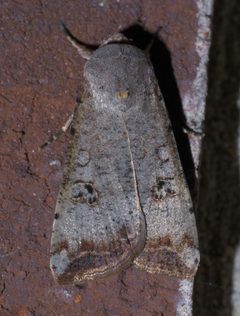
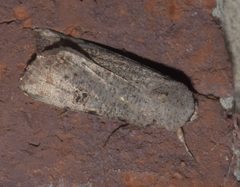
Anicla infecta is a noctuid native to the Americas, ranging from southeastern Canada to South America. The is known by two reflecting its life stages: the green (larva) and green cutworm moth (). Adults have a wingspan of 30–35 mm and are active from June through September. The species is attracted to blacklight and has been documented visiting flowers as a .
Pronunciation
How to pronounce Anicla infecta: /ˈænɪklə ɪnˈfɛktə/
These audio files are automatically generated. While they are not always 100% accurate, they are a good starting point.
Identification
can be distinguished from similar noctuine by the combination of moderate size (30–35 mm wingspan), gray-brown forewings with subtle patterning, and pale hindwings. The is most reliably identified by geographic location within its eastern North American range and period (June–September). Larvae are recognized by their green coloration and habit of cutting seedlings at the soil surface. Similar species such as Agrotis ipsilon (Ipsilon Dart) have more contrasting forewing patterns and different seasonal peaks.
Images
Habitat
Found in open including agricultural fields, gardens, grasslands, and disturbed areas. Larvae occur in soil or at the soil surface among herbaceous vegetation. are and attracted to artificial light sources in residential and rural settings.
Distribution
Native to the Americas. Range extends from southeastern Canada (Nova Scotia, Quebec) through the eastern United States, continuing south through Central America to Uruguay and Brazil.
Seasonality
are on wing from June to September, with exact timing varying by latitude. In northern portions of the range, the period is concentrated in mid-summer; southern may have extended or multiple flight periods.
Diet
Larvae feed on beets (Beta vulgaris), various grasses (Poaceae), and tobacco (Nicotiana tabacum). have been observed feeding at flowers and serve as of fetterbush lyonia (Lyonia lucida).
Host Associations
- Beta vulgaris - larval food plantbeets
- Poaceae - larval food plantgrasses
- Nicotiana tabacum - larval food planttobacco
- Lyonia lucida - nectar sourcefetterbush lyonia; pollination documented
Life Cycle
Complete with four stages: , larva (green ), pupa, and . Larvae are soil-dwelling cutworms that feed at or below the soil surface. occurs in soil. Adults emerge in summer and are . Specific details of voltinism (number of per year) vary by region and have not been precisely documented.
Behavior
are strongly attracted to blacklight and other artificial light sources at night. Larvae exhibit classic : remaining hidden in soil during daylight hours and emerging at night to feed, often severing plant stems at the soil surface. Adults have been documented as flower visitors.
Ecological Role
Larvae function as herbivores in agricultural and natural grassland , with documented economic impact on crops. contribute to pollination of flowering shrubs, specifically documented for fetterbush lyonia. The serves as prey for various including bats, birds, and predatory insects.
Human Relevance
Larvae are recognized agricultural pests, particularly damaging to beet and tobacco crops through their stem-cutting feeding . The is commonly encountered by entomologists and naturalists due to its attraction to blacklight traps, making it a frequent subject of citizen science observations.
Similar Taxa
- Agrotis ipsilonSimilar size and ; distinguished by more contrasting forewing pattern with distinct and spots, and different peak period
- Other Anicla species members share general ; precise identification often requires examination of genitalia or geographic range constraints
More Details
Nomenclature
Originally described as Agrotis infecta by Ochsenheimer in 1816, later transferred to Anicla. The basionym Agrotis infecta remains in use in some taxonomic databases.
Citizen Science Documentation
With over 14,000 observations on iNaturalist, this is among the more frequently documented noctuid in eastern North America, reflecting both its abundance and its strong attraction to artificial light.