
Lacanobia subjuncta
(Grote & Robinson, 1868)
Speckled Cutworm Moth, Speckled Cutworm
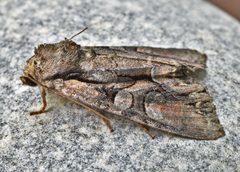
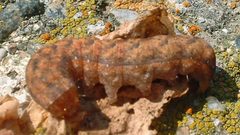
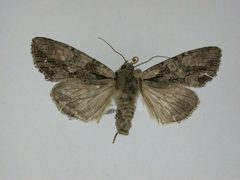
Lacanobia subjuncta, commonly known as the speckled or speckled cutworm , is a noctuid moth native to North America. It belongs to the Lacanobia, a group of cutworm moths within the Noctuidae. The species was first described by Grote and Robinson in 1868, originally placed in the genus Hadena. It is assigned MONA/Hodges number 10299.
Pronunciation
How to pronounce Lacanobia subjuncta: /ləˈkænoʊbiə səbˈdʒʌŋktə/
These audio files are automatically generated. While they are not always 100% accurate, they are a good starting point.
Identification
The speckled can be distinguished from other Lacanobia by specific wing pattern characteristics, though detailed diagnostic features require examination. The Lacanobia is characterized by medium-sized with relatively broad forewings and intricate patterning. Accurate identification to species level typically requires examination of genitalia or reference to regional identification keys.
Images
Distribution
Found in North America with confirmed records from Canada (Alberta, Manitoba, Saskatchewan) and the United States (Vermont). The full extent of its range within North America is not fully documented in available sources.
Human Relevance
The "" refers to the larval habit of cutting through plant stems at soil level, which can cause agricultural damage. However, specific documentation of economic impact for this is not available in the provided sources.
Similar Taxa
- Lacanobia alienaCongeneric in the same , requiring careful examination to distinguish; L. aliena has been documented in European long-term studies showing increasing abundance trends
- Other Lacanobia speciesMultiple in this share similar general and require identification techniques to differentiate
More Details
Taxonomic History
Originally described as Hadena subjuncta by Grote and Robinson in 1868, later transferred to the Lacanobia. The basionym reflects its historical placement in a different genus within the same .
Research Utility
in the Lacanobia, including L. subjuncta, are part of the diverse Noctuidae fauna that serve as indicators in long-term ecological monitoring studies. Research on congeneric species such as L. aliena has contributed to understanding minimum data collection periods (15-25 years) needed to detect true long-term trends in species.