
Pseudorthodes virgula
(Grote, 1883)
cutworm moth, dart moth
Pseudorthodes virgula is a of or dart moth in the Noctuidae. Originally described as Taeniocampa virgula by Grote in 1883, it is currently classified in the Pseudorthodes within the tribe Eriopygini. The species is known from North America and has been assigned MONA ( Photographers Group) Hodges number 10584. Records indicate it is a rarely encountered species with limited observational data.
Pronunciation
How to pronounce Pseudorthodes virgula: //ˌsjuː.dɔːrˈθɒ.diːz ˈvɜːr.ɡjuː.lə//
These audio files are automatically generated. While they are not always 100% accurate, they are a good starting point.
Identification
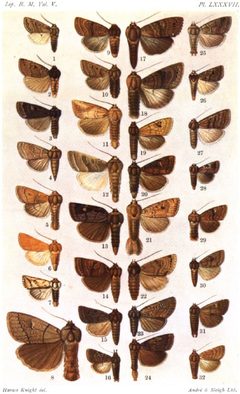
Pseudorthodes virgula can be distinguished from similar Pseudorthodes by specific wing pattern characteristics, though detailed diagnostic features require examination of genitalia or close comparison of forewing maculation. The Pseudorthodes is characterized by relatively broad forewings with distinctive pattern elements; species-level identification typically requires reference to original description or specialized keys. The Hodges number 10584 provides a unique identifier for North American records.
Images
Distribution
North America. Specific range details beyond continental distribution are not well documented in available sources.
Similar Taxa
- Other Pseudorthodes speciesThe Pseudorthodes contains multiple that require careful examination of genitalia or wing pattern details for accurate separation; P. virgula may be confused with such as P. vecors or P. irrorata without proper reference material.
More Details
Taxonomic History
Originally described as Taeniocampa virgula by Augustus Radcliffe Grote in 1883, this was later transferred to the Pseudorthodes. The basionym Taeniocampa virgula reflects historical classification practices within the Noctuidae.
Collection Records
The is represented by very few specimens in major collections and has minimal observation records (6 observations reported in iNaturalist as of source date), suggesting it is either genuinely rare, undercollected, or restricted to specific or regions within North America.