Marilopteryx lutina
(Smith, 1902)
cutworm moth, dart moth
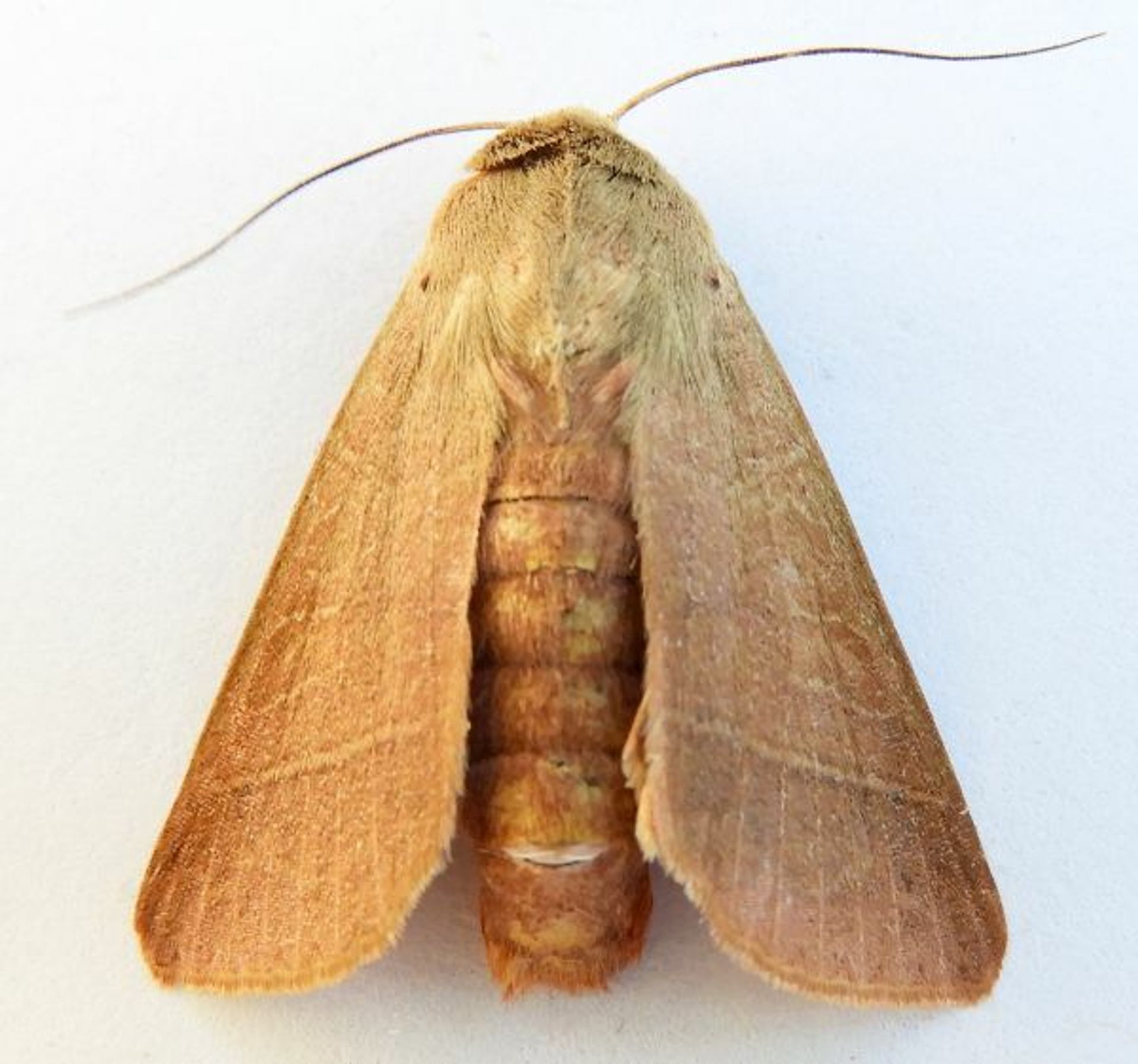
Marilopteryx lutina is a of or dart moth in the Noctuidae, first described by Smith in 1902 under the basionym Leucania lutina. It belongs to the tribe Eriopygini within the Noctuinae. The species is recorded from North America and has been assigned the MONA/Hodges number 10633. It is a poorly documented species with only three observations recorded on iNaturalist.
Pronunciation
How to pronounce Marilopteryx lutina: //mæˌrɪloʊpˈtɛrɪks luːˈtiːnə//
These audio files are automatically generated. While they are not always 100% accurate, they are a good starting point.
Identification
The can be identified by its MONA/Hodges number 10633. As a member of the Marilopteryx and tribe Eriopygini, it is distinguished from related noctuid genera by genitalic characters and wing pattern features, though specific diagnostic traits for this species are not documented in the provided sources. The specific epithet 'lutina' (meaning 'mud-colored' or 'yellowish') may refer to the coloration.
Images
Distribution
North America. Specific range details within this region are not documented in the provided sources.
Human Relevance
The MONA/Hodges number 10633 is used in North American identification systems. The has minimal documented interaction with humans, with only three citizen science observations recorded.
Similar Taxa
- Other Marilopteryx speciesCongeneric in this small share morphological features and require detailed examination for separation; the genus Marilopteryx contains few described species.
- Other EriopyginiMembers of this tribe share the /dart moth habitus and may show similar wing patterns, requiring genitalic dissection for definitive identification.
More Details
Nomenclatural history
Originally described as Leucania lutina Smith, 1902, this was later transferred to the Marilopteryx. The basionym is recorded in NCBI .
Documentation status
This appears to be rarely encountered or underreported, with only three observations in iNaturalist as of the data cutoff. This limited observational record may reflect genuine rarity, cryptic habits, or undercollection rather than absence from suitable .