
Lacinipolia rodora
(Dyar, 1911)
cutworm, dart moth
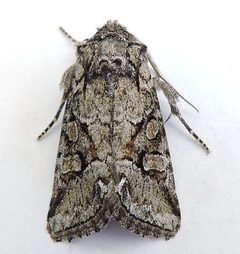
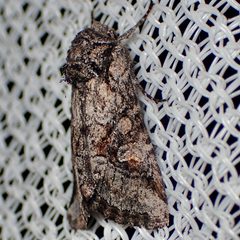
Lacinipolia rodora is a of owlet moth ( Noctuidae) described by Harrison Dyar in 1911. It is part of a large of commonly known as cutworms or dart moths. The species is recorded from North America and is attracted to light at night. Like other members of its genus, it exhibits cryptic coloration that likely aids in daytime concealment.
Pronunciation
How to pronounce Lacinipolia rodora: //ləˌsɪnɪˈpoʊliə roʊˈdɔːrə//
These audio files are automatically generated. While they are not always 100% accurate, they are a good starting point.
Identification
within the Lacinipolia are visually similar and generally cannot be distinguished from one another by external appearance alone. Identification to species level typically requires examination of genitalia or other internal characters. The genus is characterized by relatively small to medium-sized owlet moths with stout bodies and cryptic, mottled coloration.
Images
Distribution
Recorded from North America.
Behavior
have been observed to be attracted to blacklight, a common trait among noctuid . Based on the , larvae likely feed nocturnally and hide in soil or debris during daylight hours.
Human Relevance
The MONA ( Photographers Group) or Hodges number for this is 10406.7, used as a reference identifier in North American moth classification.
Similar Taxa
- Other Lacinipolia speciesVisually indistinguishable from L. rodora; -level identification requires dissection and examination of genitalia.
More Details
Taxonomic history
Originally described as Polia rodora by Dyar in 1911, later transferred to the Lacinipolia.