Lacinipolia lorea
(Guenée, 1852)
bridled arches, Bridled Arches Moth
Lacinipolia lorea, commonly known as the bridled arches or Bridled Arches , is a of in the . It is found across North America, with records from Canada (Alberta, Manitoba, Saskatchewan) and the United States (Vermont). The species is one of several in the Lacinipolia that are difficult to distinguish by appearance alone. It has been observed at during summer moth surveys.

Pronunciation
How to pronounce Lacinipolia lorea: /læˌsɪnɪˈpoʊliə ˈlɔriə/
These audio files are automatically generated. While they are not always 100% accurate, they are a good starting point.
Identification
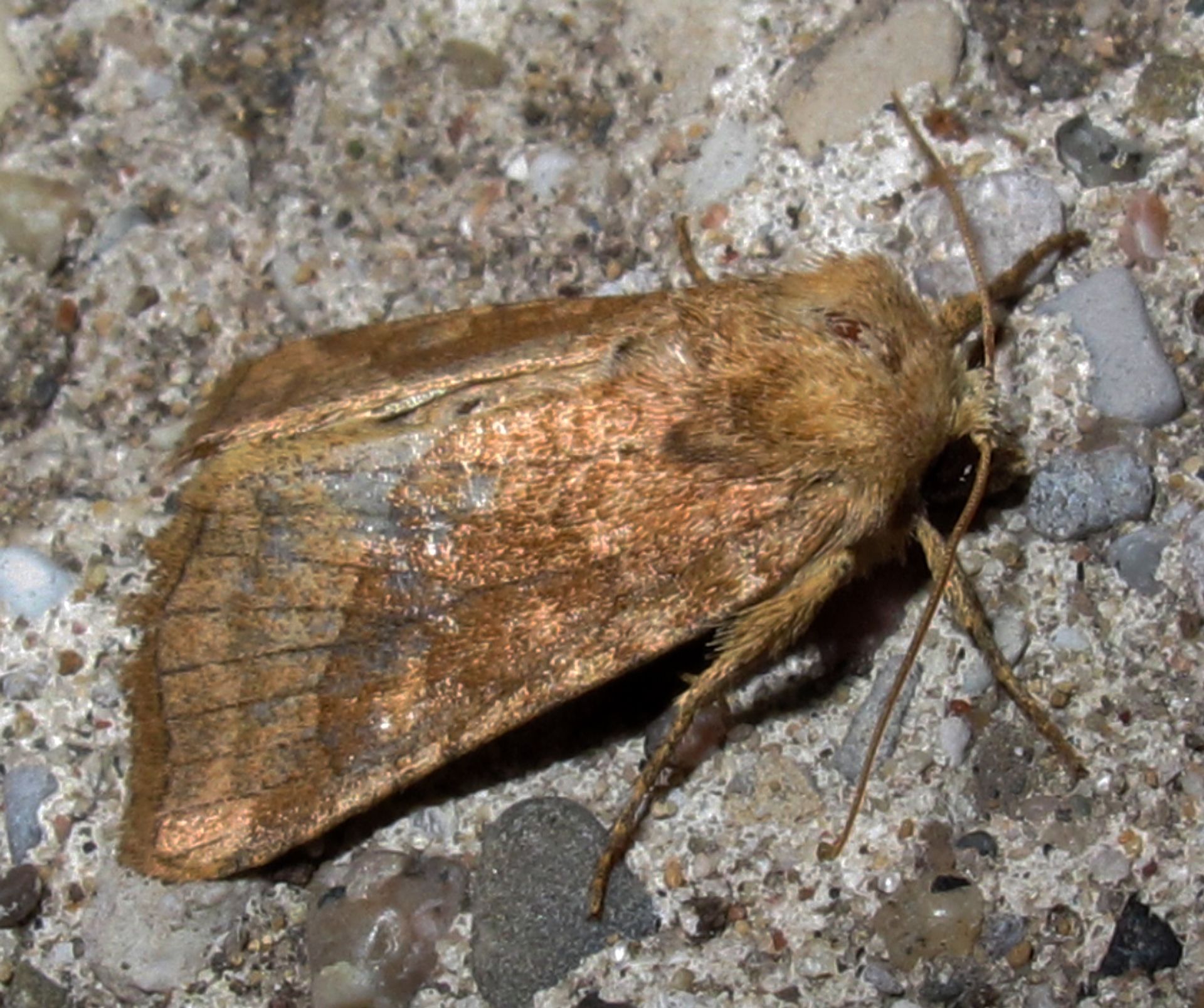
in the Lacinipolia cannot be reliably distinguished from one another based on visual appearance alone. are -sized with cryptic coloration—some individuals are mottled gray with reflective on the , while others appear greenish and likely rest on lichen-covered tree trunks during daylight hours. Definitive identification requires examination of or other microscopic features.
Images
Distribution
North America. Documented from Canadian provinces: Alberta, Manitoba, and Saskatchewan. United States records include Vermont. The ' range likely extends more broadly across North America based on the distribution pattern of the .
Seasonality
have been observed in July during National Week surveys in Colorado, suggesting summer activity. Specific across its range is not well documented.
Behavior
are and attracted to . Two color have been observed: a gray, mottled form with reflective , and a green form that likely provides against lichen-covered bark when at rest during daytime.
Human Relevance
The has been documented through citizen science efforts such as National Week. It is not known to be of agricultural or economic significance. The MONA (Moths of North America) or Hodges number is 10405, used in moth identification references.
Similar Taxa
- Other Lacinipolia speciesMultiple in this are visually indistinguishable; L. lorea can only be separated from through dissection and examination of or other microscopic characters.
More Details
Taxonomic authority
Originally described as Hydroecia lorea by Guenée in 1852, later transferred to the Lacinipolia.
Observation notes
The has been recorded through iNaturalist with over 1,400 observations, indicating it is relatively frequently encountered by naturalists, though precise identification of individual records may be uncertain given the difficulty of visual identification.