
Lacinipolia leucogramma
(Grote, 1873)
cutworm, dart moth
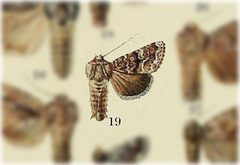
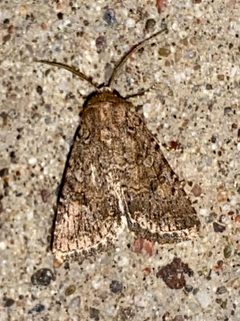
Lacinipolia leucogramma is a noctuid found in North America. It is one of several species in the Lacinipolia that are difficult to distinguish visually. are attracted to blacklights and are active during summer months. The species was first described by Grote in 1873 under the name Mamestra leucogramma.

Pronunciation
How to pronounce Lacinipolia leucogramma: /læˌsɪnɪˈpoʊliə lɛuˌkoʊˈɡræmə/
These audio files are automatically generated. While they are not always 100% accurate, they are a good starting point.
Identification
in the Lacinipolia cannot be reliably distinguished from one another by visual inspection alone. The genus is characterized by mottled gray or green coloration in , with some individuals showing reflective on the wings. Accurate identification to species level typically requires examination of genitalia or other microscopic features.
Images
Distribution
North America
Seasonality
have been observed in July and August. Activity peaks during summer months.
Behavior
are and attracted to artificial light sources, particularly blacklights. They have been documented visiting light sheets in urban and suburban settings.
Human Relevance
are occasionally encountered during -watching events and bioblitzes. The is not known to be an agricultural pest, though related species in the include cutworms that damage crops.
Similar Taxa
- Other Lacinipolia speciesVisual similarity makes -level identification impossible without dissection or molecular analysis
More Details
Taxonomic history
Originally described as Mamestra leucogramma by Grote in 1873, later transferred to the Lacinipolia.
Collection records
Documented from Colorado and other North American locations during National Week events.